Selecting the right contract curtain fabric is a critical decision for interior designers, architects, and facility managers. Unlike residential drapery, contract fabrics are held to higher standards of durability, safety, and performance. They must withstand heavy use, meet strict fire codes, and often contribute to acoustic comfort or light management. This comprehensive guide explores the main types of contract curtain fabrics—blackout, sheer, velvet, and acoustic—along with selection criteria, care tips, and real-world applications across industries.

What Are Contract Curtain Fabrics?
Contract curtain fabrics are textiles specifically engineered for commercial and professional environments. They differ from residential fabrics in their compliance with industry regulations, such as NFPA 701, BS 5867, or IMO FTP Code, ensuring they are flame-retardant or flame-resistant. Beyond safety, they are designed for high traffic, frequent cleaning, and long-term performance. Common applications include hospitality venues, healthcare facilities, corporate offices, educational institutions, and public buildings. When specifying contract fabrics, one must consider not only aesthetics but also technical properties like durability, light transmission, sound absorption, and maintenance requirements.
___PROTECTED_1___
Key Types of Contract Curtain Fabrics
Each type of contract fabric serves a distinct purpose. Understanding their unique characteristics allows specifiers to choose the right material for their project. Below, we explore the four most common categories in contract settings.
Blackout Fabrics
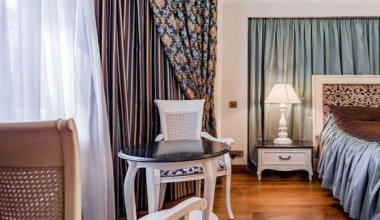
Blackout contract curtains are designed to block virtually all external light. They are typically made from tightly woven polyester, cotton, or blends, often with an acrylic foam coating on the back, or constructed as a triple-weave. In commercial applications, these fabrics are essential in hotel rooms, conference rooms, auditoriums, and healthcare settings where light control is crucial. For example, in hospitality, blackout curtains ensure guests enjoy uninterrupted sleep regardless of external weather. In offices, they reduce glare on screens and enhance presentation visibility.
When selecting blackout fabrics, check the fabric's opacity rating and construction. Triple-weave fabrics are often more durable and breathable than coated versions, making them easier to maintain. Some blackout fabrics also offer thermal insulation, helping to reduce energy costs by minimizing heat loss or gain. Fire-retardant finishes are standard for contract use; always verify compliance with local codes.
Sheer Fabrics
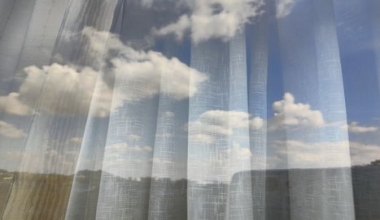
Sheer contract fabrics are lightweight, semi-transparent materials that diffuse natural light while offering a degree of privacy. They are often made of fiberglass, polyester, or nylon and can be woven in open or closed patterns. Sheers are widely used in office partitions, hotel lobby areas, and residences in hospitality settings. They create a soft, welcoming ambiance while reducing solar glare and UV damage to interiors. Some sheer fabrics are engineered with metallic coatings or special weaves to reflect heat, contributing to energy efficiency.
In contract environments, sheers must be stable and colorfast. Fiberglass sheers are particularly durable but require careful handling during installation. Polyester sheers offer good resistance to wrinkles and fading, making them low maintenance. Consider the transparency level and the type of glazing behind the fabric to achieve the desired daylight effect.
Velvet Fabrics
Velvet is a plush, luxurious fabric with a dense pile that is now highly popular in contract settings. Modern contract-grade velvets are often made from synthetic fibers like polyester, which provide excellent durability, stain resistance, and ease of cleaning. Velvet curtains add a sense of elegance and acoustic absorption, making them ideal for restaurants, boutique hotels, theaters, and luxury boardrooms. Their thick pile traps sound waves, reducing reverberation and improving speech intelligibility.
When choosing velvet for contract use, opt for compact pile constructions that resist crushing high-traffic areas. Look for fabrics with stain-repellent finishes and a high abrasion resistance level (e.g., over 50,000 cycles on the Martindale test). Velvet can be heavier than other curtain fabrics, so ensure the track and hardware can support its weight. Fire-retardant properties are a must; some velvets are inherently flame-resistant, while others require chemical treatment.
Acoustic Fabrics
Acoustic contract curtains are specifically engineered to absorb sound, reduce echo, and improve room acoustics. They are fabricated from dense, porous materials, such as heavy wool or polyester fleece, sometimes with an additional acoustic backing like a felt or foam layer. These curtains are used in open-plan offices, lecture halls, recording studios, cinemas, and restaurants where noise control is a priority. Acoustic fabrics can significantly lower the reverberation time in a space, creating a more comfortable environment for occupants.
To choose the right acoustic curtain, consider its Noise Reduction Coefficient (NRC) and Sound Transmission Class (STC). NRC indicates the amount of sound absorbed (ranges from 0 to 1), with higher values being better for reducing echo. STC measures how much sound is blocked; for privacy between rooms, a higher STC is desirable. Acoustic curtains often have grommeted or pencil-pleat headings to allow easy stacking and to maintain the correct fullness (usually 100-150%) for maximum absorbency. They may need frequent vacuuming to keep fibers open and effective.
___PROTECTED_2___
How to Choose the Right Contract Curtain Fabric
Selecting the ideal fabric involves balancing performance, aesthetics, and budget. Use the following criteria as a checklist for your next project.
Performance Criteria
- Flame retardancy: Verify that the fabric meets local fire safety standards. Look for certifications like NFPA 701, BS 5867, or CPAI-84.
- Durability: Check abrasion resistance (Martindale or Wyzenbeek cycles) and tensile strength. For high-traffic areas, choose fabrics with high cycle counts.
- Light management: Determine the desired opacity. Blackout fabrics block light, sheers diffuse it, and interactive layers allow flexible control.
- Acoustic performance: If sound absorption is needed, review the NRC rating. For sound blockage, consider STC ratings and the fabric's weight and airtightness.
- Maintenance: Consider cleaning methods: some fabrics are machine-washable, others require dry cleaning. Stain-resistant treatments ease maintenance.
Aesthetic Considerations
The fabric's color, texture, and pattern should complement the interior design. In contract environments, avoid overly trendy designs that may quickly date. Opt for neutral tones for longevity, or use bold accents for branding. The fabric's drape and fold can affect the overall look; heavier fabrics like velvet create dramatic folds, while sheers offer airy lightness. Consider how the fabric behaves when drawn, and ensure the heading style matches the desired aesthetic—pinch pleats for elegance, eyelets for modernity.
Budget and Cost
Contract fabrics vary widely in price. Polyester sheers are generally the most affordable, while velvet and acoustic fabrics can be more expensive due to their complexity. However, investing in higher-quality fabrics reduces replacement and maintenance costs over time. Calculate total cost of ownership, including purchase, installation, and ongoing cleaning. Some manufacturers offer warranties, which provide added value.
Detailed Care Tips for Contract Curtain Fabrics
Proper maintenance extends the life of contract curtains and preserves their performance. Here are practical, material-specific tips:
- Blackout fabrics: Vacuum monthly with a soft brush to remove dust. Spot clean with a damp cloth and mild detergent. Most coated blackouts should not be machine washed; use a professional cleaning service if soiling is significant. Avoid abrasive cleaners that can damage the coating.
- Sheer fabrics: Sheers can be dusted or gently vacuumed. Many polyester sheers are machine washable in cold water on a gentle cycle—always check the manufacturer's care label. Hang them wet to avoid wrinkles. Avoid wringing, as it can stretch fibers.
- Velvet fabrics: Brush velvet in one direction to remove dust and maintain its pile. For spills, blot immediately (never rub) with a clean cloth. Use a solvent-based cleaner suitable for synthetic velvets. Professional steam cleaning is recommended for deep stains. Due to their weight, velvets should be dry-cleaned only.
- Acoustic fabrics: Frequent vacuuming is essential to prevent dust from clogging the acoustic pores. Use a handheld vacuum with a brush attachment. For deeper cleaning, follow the manufacturer's instructions; some acoustic curtains have removable backings. Avoid over-wetting, as this can cause shrinkage and reduce acoustic effectiveness.
- General tips: Always test any cleaning agent on a hidden area first. Maintain curtains by rotating them to balance wear. If they are single- or double-panel systems, ensure they are pulled evenly to minimize stress. Conduct periodic inspections for damage or loosened hardware.
Industry Application Cases
Contract curtain fabrics are used across a spectrum of industries. Here are some illustrative examples that highlight the importance of selecting the right type.
Hospitality
In hotels, blackout curtains are a must for guest rooms to ensure sleep quality. They are often paired with sheers for daylight privacy. Velvet or acoustic curtains are used in restaurants and event spaces to create ambiance and control noise. For example, a boutique hotel might use velvet blackout curtains in suites to combine luxury with light control. The fabrics must comply with hospitality fire codes and withstand continuous use from room service and linen changes.
Healthcare
Hospitals and clinics require curtains that are easy to clean and resistant to bacteria and mold. Blackout and cubicle curtains are often made from fluid-resistant polyester or vinyl. Acoustic curtains can reduce the harsh noise of hospital wards, promoting patient recovery. Privacy curtains must also be able to be replaced quickly. Antimicrobial finishes are increasingly common in this sector.
Corporate Offices
Offices benefit from sheer fabrics that reduce glare on computer screens while maintaining a connection to the outdoors. In conference rooms, motorized blackout curtains enable presentations in low light. Acoustic curtains are used in open-plan areas and meeting rooms to enhance speech privacy and reduce distractions. Firms often choose neutral-colored fabrics with a high durability rating to withstand daily operation.
Theaters and Auditoriums
Acoustic curtains are essential in performance venues to tune the room's sound. Heavy velour curtains are often used on stage and as proscenium drapes, providing both visual richness and sound absorption. Blackout curtains are used to darken the room during performances. These fabrics are usually inherently flame-retardant due to strict public safety regulations, and they are designed to be easily operable for changing scenes.
Comparative Overview of Contract Curtain Fabrics
| Fabric Type | Primary Benefits | Typical Applications | Maintenance Needs | Relative Cost |
|---|---|---|---|---|
| Blackout | Light blocking, thermal insulation, glare reduction | Hotel rooms, conference rooms, auditoriums | Vacuuming, dry cleaning | Moderate |
| Sheer | Daylight diffusion, privacy, light UV protection | Offices, lobbies, residential settings | Vacuuming, gentle machine wash | Low |
| Velvet | Luxury look, acoustic absorption, elegant drape | Hotels, restaurants, theaters, boardrooms | Brushing, dry cleaning | High |
| Acoustic | Sound absorption, echo reduction, privacy | Offices, studios, lecture halls, cinemas | Frequent vacuuming | High |
Conclusion
Choosing contract curtain fabrics requires a systematic approach. Start by identifying the primary function: light control, acoustics, or aesthetics. Then, evaluate technical specifications and compliance standards. Finally, consider care requirements and lifecycle costs. By understanding the unique properties of blackout, sheer, velvet, and acoustic fabrics, you can make informed decisions that deliver comfort, safety, and performance. Whether you are designing a hotel, hospital, office, or theater, a well-chosen contract curtain will enhance the environment and provide lasting value.