Window styling is more than just choosing a curtain color — it's about balancing light, privacy, insulation, and aesthetics to create a space that feels both functional and beautiful. Whether you're dressing a cozy living room, a serene bedroom, or a bustling home office, the right window treatments can transform the entire mood of a room. In this comprehensive guide, we'll explore a variety of window styling ideas using blackout, sheer, velvet, and acoustic curtain fabrics, along with practical tips on layering, hardware, and maintenance.
Understanding Your Light and Privacy Needs
Before selecting any fabric, evaluate the room's orientation and your daily activities. South-facing windows flood a space with bright, warm light, making sheer or light-filtering options ideal for softening glare while maintaining openness. North-facing rooms receive cooler, indirect light — perfect for velvet accents that add warmth. For bedrooms and media rooms, blackout curtains are essential for blocking light and enhancing sleep or viewing experiences. Privacy is another critical factor: sheer curtains offer daytime privacy when closed, but combine them with blinds or heavier panels for nighttime seclusion.
___PROTECTED_1___
Choosing the Right Fabric for Your Window Style
Each fabric type brings a distinct personality and function. Here's how to match them to your window styling goals:
Blackout Curtains
Blackout curtains feature a dense weave or a special backing that blocks up to 99% of external light. They are perfect for bedrooms, nurseries, and home theaters. Beyond light control, they also provide thermal insulation, reducing energy costs by keeping rooms warmer in winter and cooler in summer. For a sleek, modern look, choose neutral tones like charcoal or beige with a hidden tab top for a clean line. Blackout curtains are also excellent for creating a dramatic, cozy atmosphere when paired with dimmable lighting.
Sheer Curtains
Sheer curtains are the ultimate solution for diffusing harsh sunlight while maintaining a sense of airiness. Made from lightweight fabrics like polyester, silk, or linen blends, they soften the light, reduce glare, and offer a level of privacy during the day without darkening the room. Use sheers alone in living areas or layer them under heavier drapes for a romantic, multi-dimensional effect. They are also great for small spaces, as they visually enlarge windows and allow natural light to bounce off walls.
Velvet Curtains
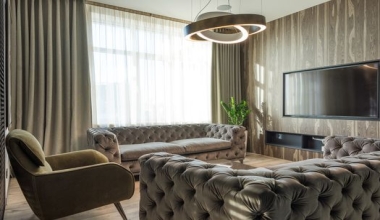
Velvet curtains add instant luxury and depth to any window. Their thick, plush texture not only looks opulent but also provides excellent sound absorption and light blockage, making them a sophisticated choice for formal living rooms or master suites. Velvet is available in rich jewel tones like emerald, sapphire, and burgundy, or muted earth tones for a softer vibe. Because velvet is heavy, ensure your curtain rod is sturdy and use rings with a large diameter to allow smooth gliding. These curtains make a powerful style statement and can anchor a room's color palette.
Acoustic Curtains
Acoustic curtains are specially designed to reduce noise pollution, making them ideal for noisy urban environments, home offices, or music studios. They are typically made from dense, multi-layered fabrics with sound-absorbing properties. Acoustic curtains also double up as blackout curtains if they have a thick interlayer, providing a dual function. When styling with acoustic curtains, consider pleated headers to add structure and visual interest while maximizing the fabric's sound-dampening surface area. Opt for solid colors or subtle textures to keep the focus on functionality without compromising style.
___PROTECTED_2___
Popular Window Styling Ideas by Room
Different rooms call for different window treatments. Here are some tailored styling ideas that combine aesthetics with practicality.
Living Room
In the living room, you want versatility. Layer sheer white curtains under velvet panels in a complimentary hue. During the day, close the sheers to let in soft, diffused light; in the evening, draw the velvet for a cozy, intimate ambiance. Alternatively, use floor-to-ceiling blackout curtains in a neutral linen texture for a clean, contemporary look. Add a decorative curtain tieback to frame the window and draw the eye upward, making the ceiling appear higher.
Bedroom
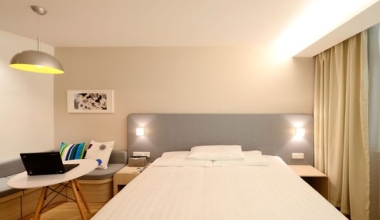
Your bedroom should be a sanctuary. Choose blackout curtains in a soothing color like slate blue or warm greige to promote deep sleep. For a layered look, pair them with a sheer underlay that offers privacy without blocking daylight when you want to wake up naturally. To enhance the luxurious feel, install the curtain rod close to the ceiling and extend it slightly beyond the window frame — this makes the window appear larger and the room more spacious. Opt for blackout curtains with a thermal backing to reduce outdoor noise and temperature fluctuations.
Home Office
Reduce glare and distractions in your home office with a combination of sheer and acoustic curtains. Install a single rod with sheer curtains closest to the glass to diffuse light and reduce screen reflection. Add acoustic curtains as the outer layer, which you can close during video calls or when you need extra focus. This setup not only improves concentration but also elevates the professional look of your workspace. Choose dark colors for the acoustic layer to contrast with brighter sheers, creating a dynamic visual.
Kitchen
Kitchens require practical yet stylish window treatments. Since kitchens are prone to moisture and odors, opt for synthetic sheers that are easy to wash and quick-drying. A café-style curtain that covers only the lower half of the window is a charming choice, allowing natural light in from the top. For a more modern look, install a roller shade in a light-filtering fabric, but for a softer aesthetic, use a valance paired with sheer panels. This adds a touch of hominess while keeping the space open and airy.
Layering Curtains for Depth and Function
Layering is the secret to achieving a professional designer look. It involves combining two or more window treatments to create visual depth and enhance functionality. The most common layering approach is pairing sheer curtains with solid panels. The sheer layer provides privacy and light diffusion, while the outer layer (usually blackout or velvet) offers insulation and light blockage when needed. To achieve this, use a double rod system — one rod for the sheers, another for the heavier curtains. Alternatively, use a single rod with rings that can hold both fabrics, but ensure the panels are compatible in weight and thickness.
Another layering idea is to combine blinds or shades with curtains. Install a roller or Roman shade inside the window frame for precise light control, and hang curtains above the frame for softness and texture. This combination is highly functional and allows you to adjust light in the room without sacrificing style. When mixing fabrics, choose complementary textures — for example, pair smooth blackout fabric with a textured sheer to create contrast.
Curtain Hardware and Hanging Tips
The right hardware can make or break your window styling. Here are some key tips:
- Rod selection: Choose a rod that is heavy-duty enough to support your fabric's weight. For velvet and acoustic curtains, use a metal or wooden rod with a diameter of at least 1.5 inches.
- Placement: Mount the rod 4–6 inches above the window frame and extend it 6–12 inches on each side to allow natural light to flood in when curtains are open, and to create an illusion of wider windows.
- Pleats vs. grommets: Pleated curtains offer a polished, tailored look, while grommet curtains are easier to slide and have a more casual, modern feel.
- Tiebacks: Use decorative tiebacks to hold curtains open and add a touch of elegance. Magnetic tiebacks are a convenient option that doesn't damage fabric.
- Height: For a dramatic effect, hang curtains so they just barely touch the floor (or puddle slightly for a romantic vibe). Avoid breaking the hem at the bottom, which can look unfinished.
Measuring and Installation Guide
Accurate measurements are crucial for a flawless window treatment. Follow these steps to ensure your curtains fit perfectly:
| Step | What to Do |
|---|---|
| 1. Measure the width | Measure the width of your window from left to right. For a standard curtain, multiply this number by 1.5 to 2.5 times to achieve full, gathered panels. Write down the total width in inches. |
| 2. Measure the length | Measure from the top of the rod (or where you plan to place the rod) to the desired endpoint — floor, floor plus a puddle, or windowsill. Add 6–8 inches for the header if using a rod pocket or tabs. |
| 3. Consider stackback | When curtains are open, they occupy space on either side of the window. Subtract this stackback from your width measurement to ensure the window is fully exposed. |
| 4. Install the hardware | Mark the screw points, use a level to ensure the rod is straight, and securely attach the brackets. For heavy curtains, install the brackets into wall studs or use heavy-duty anchors. |
| 5. Hang and adjust | Slide the curtains onto the rod, then adjust the folds by hand for a uniform, elegant drape. Use rings or hooks to help evenly distribute the fabric. |
Caring for Your Curtain Fabrics
To keep your window treatments looking pristine, proper care is essential. Different fabrics require different cleaning methods:
- Blackout curtains: Most are machine washable on a gentle cycle with cold water. Use a mild detergent and skip the fabric softener, which can degrade the coating. Hang to dry to prevent wrinkles.
- Sheer curtains: These are delicate and should be hand-washed or machine-washed in a mesh bag on a delicate cycle. Air-dry them to avoid shrinking, and iron on a low setting if needed.
- Velvet curtains: Velvet should be dry-cleaned only to maintain its soft texture and vibrant color. Vacuum occasionally using a soft brush attachment to remove dust.
- Acoustic curtains: Depending on the manufacturer's instructions, acoustic curtains may be vacuumed or dry-cleaned. Avoid frequent washing as it can reduce their sound-absorbing efficiency.
Regardless of fabric, regularly dust your curtains using a vacuum with a brush attachment or a lint roller. This prevents the buildup of allergens and maintains the fabric's freshness.
Industry Application Cases
Window styling extends beyond residential spaces. In hospitality, hotels use blackout and velvet curtains to create restful, luxurious guest rooms that also block dawn light. In corporate offices, acoustic curtains enhance concentration by reducing noise, while sheers maintain an open, inviting atmosphere. Restaurants often layer sheer and opaque curtains to create intimate dining zones during evening hours. Even healthcare facilities use privacy curtains with antimicrobial properties, blending functionality with a gentle, calming design. These industry applications show how the right fabric choice can solve specific challenges while elevating the visual appeal.
Conclusion
Window styling ideas are as diverse as the spaces they adorn. By understanding your light, privacy, and insulation needs, and by selecting the right combination of blackout, sheer, velvet, and acoustic fabrics, you can create a window treatment that is both practical and expressive. Remember to measure carefully, choose supportive hardware, and maintain your fabrics to extend their lifespan. Whether you prefer the airy elegance of sheers, the opulence of velvet, or the functional superiority of blackout and acoustic curtains, a well-styled window enhances every room. Start experimenting with layering and hardware today to transform your home into a beautifully framed sanctuary.