Acoustic fabric is a specialized material designed to absorb sound waves, reducing echo and noise in various environments. Unlike regular fabrics, acoustic fabrics are engineered with porous structures or dense fibers that trap sound energy, converting it into minute amounts of heat. This makes them essential for improving acoustics in recording studios, home theaters, offices, and public spaces. In this guide, we'll explore how acoustic fabric works, its types, key properties, and practical tips for selection and care.
How Acoustic Fabric Works
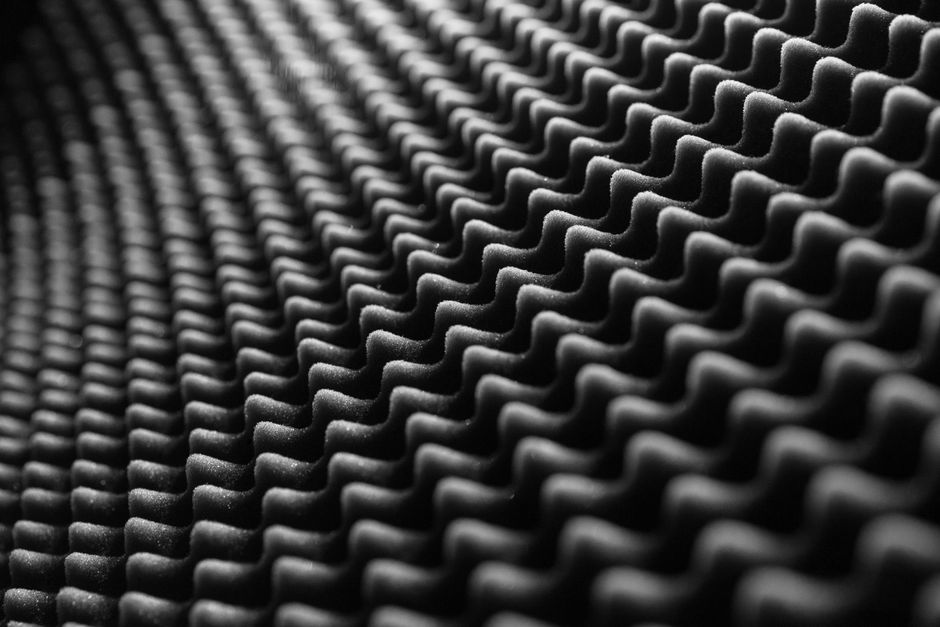
Sound absorption occurs when sound waves enter the fabric and encounter friction within the fibers. The energy is dissipated as heat. Acoustic fabrics typically have a high Noise Reduction Coefficient (NRC) rating, indicating how much sound they absorb (0 = none, 1 = all). Thicker, denser fabrics with irregular surfaces tend to absorb more sound. Open-cell structures are more effective than closed ones. The fabric's backing or mounting method also plays a role—leaving an air gap behind enhances low-frequency absorption.
___PROTECTED_1___
Types of Acoustic Fabric
Several materials are commonly used for acoustic fabrics, each with unique characteristics:
- Polyester Acoustic Fabric: Popular for its durability, colorfastness, and recyclability. Often used in office panels and wall coverings. Can achieve high NRC ratings when properly constructed.
- Wool Acoustic Fabric: Natural fiber known for excellent sound absorption and flame resistance. Often blended with synthetic fibers for stability. Ideal for high-end auditoriums.
- Cotton Acoustic Fabric: Provides good absorption with a soft hand feel. Usually need thicker batting or layering. Eco-friendly but less durable than synthetics.
- Felt Acoustic Fabric: Made from compressed fibers (often recycled PET). Rigid felt panels are widely used for wall tiles and baffles. Offers consistent absorption across frequencies.
Comparison of Common Acoustic Fabrics
| Fabric Type | NRC Range | Fire Rating | Typical Use |
|---|---|---|---|
| Polyester | 0.60 – 0.95 | Class A | Office panels, ceiling clouds |
| Wool | 0.70 – 0.90 | Class A | Theater drapes, high-end studios |
| Cotton | 0.50 – 0.80 | Class B | Home acoustic panels |
| Felt (PET) | 0.65 – 0.95 | Class A | Wall tiles, baffles |
___PROTECTED_2___
Key Properties to Look For
When selecting acoustic fabric, consider these factors:
- NRC (Noise Reduction Coefficient): A single-number rating from 0 to 1. Higher is better for general absorption. For speech clarity, look for an NRC above 0.70.
- STC (Sound Transmission Class): Measures how well a material blocks sound (not absorption). Important for partitions but less for fabric alone.
- Fire Resistance: Most codes require Class A (ASTM E84). Ensure fabric meets local standards, especially in commercial spaces.
- Weight and Density: Heavier, denser fabrics absorb low frequencies better. For balanced absorption, choose medium-weight options.
- Aesthetics: Color, texture, and weave affect both sound performance and interior design. Tight weaves may reflect high frequencies; avoid glossy surfaces.
Applications of Acoustic Fabric
Acoustic fabric is used in various settings to control noise and improve sound quality:
- Commercial Offices: Open-plan spaces benefit from fabric-wrapped panels on walls or ceilings to reduce background chatter and increase privacy.
- Home Theaters: Acoustic drapes and wall panels absorb echoes, ensuring clear dialogue and immersive sound.
- Recording Studios: Critical listening environments require precise absorption; fabric over acoustic foam or mineral wool is standard.
- Public Venues: Theaters, concert halls, and restaurants use acoustic fabric to manage reverberation and enhance speech intelligibility.
How to Choose the Right Acoustic Fabric
Follow these practical tips:
- Assess your acoustic needs: Identify problem frequencies. For general noise, aim for high NRC across mid and high frequencies. For bass, consider thick, dense fabrics or add an air gap.
- Check fire ratings: Always verify that the fabric meets building codes for your region and application.
- Test samples: Order swatches to evaluate color, texture, and sound absorption in your space. Perform a simple “clap test” to hear the difference.
- Consider installation: Some fabrics are sold by the yard, others as pre-made panels. Determine if you need stretch fabric, adhesive backing, or a frame system.
- Balance aesthetics and performance: While technical specs matter, the fabric should complement your décor. Modern acoustic fabrics come in hundreds of colors and patterns.
Caring for Acoustic Fabric
Proper maintenance extends the life of acoustic fabric and maintains its performance:
- Vacuum regularly: Use a soft brush attachment to remove dust from the surface without damaging fibers.
- Spot clean gently: For stains, blot with a mild soap solution and a clean cloth. Avoid rubbing, which can distort the fabric.
- Avoid moisture: Keep acoustic fabrics dry; excess humidity can affect sound absorption and promote mold. In humid climates, choose synthetic fibers.
- Professional cleaning: For large panels or heavily soiled fabric, consult a specialist. Some acoustic fabrics are machine-washable (check label).
- Replace when worn: Over time, fibers can break down, reducing absorption. If you notice increased echo, it may be time for new fabric.
Benefits of Acoustic Fabric
Investing in quality acoustic fabric offers multiple advantages:
- Noise reduction: Lower ambient noise levels improve concentration and comfort.
- Enhanced speech clarity: Less echo makes conversations easier to understand.
- Versatile design: Available in various colours and textures to suit any interior.
- Eco-friendly options: Many acoustic fabrics use recycled materials and are recyclable themselves.
- Simple installation: Many products can be mounted with adhesive, stretch systems, or hooks.
By understanding what acoustic fabric is and how it works, you can make informed decisions for your space—whether that's a quiet home office, a lively restaurant, or a professional recording studio. Always prioritize NRC ratings and fire safety, and don't hesitate to consult with acoustic specialists for complex projects.