___PROTECTED_0___
What Is Contract Fabric?
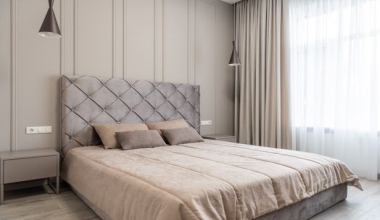
Contract fabric refers to textiles specifically designed and tested for use in commercial or public spaces, such as hotels, hospitals, offices, schools, and theaters. Unlike residential fabrics, contract fabrics must meet rigorous standards for durability, flame retardancy, stain resistance, and colorfastness to withstand heavy daily use and comply with safety regulations. They are engineered to perform under high traffic, frequent cleaning, and strict fire codes, making them essential for curtains, upholstery, and wall coverings in contract environments.
___PROTECTED_1___
Key Characteristics of Contract Fabrics
Contract fabrics are distinguished by several performance properties that ensure longevity and safety in demanding settings.
Durability
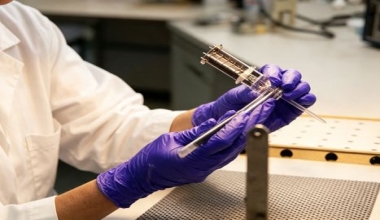
Measured by abrasion resistance tests like the Martindale (rubs) or Wyzenbeek (double rubs), contract fabrics typically achieve a minimum of 15,000–30,000 rubs for moderate use, with heavy-duty applications requiring 50,000+ rubs. For curtains, lower abrasion may be acceptable, but still higher than residential grades.
Flame Retardancy
Contract fabrics must pass national and local fire codes, such as NFPA 701 or BS 5867 for curtains. Many are inherently flame retardant (e.g., using modacrylic fibers) or treated with FR finishes. Certification marks (e.g., NFPA, Cal TB 117) are critical for compliance.
Stain and Water Resistance
Protective coatings like Teflon or Nano-technology repel spills and dirt, easing maintenance. This is vital in healthcare and hospitality where hygiene is paramount.
Colorfastness and Lightfastness
Fabrics resist fading from UV exposure and repeated cleaning, rated 4-5 on the grey scale. Blackout linings often include UV stabilizers.
___PROTECTED_2___
Types of Contract Fabrics for Curtains
Common contract curtain fabrics include blackout, sheer, velvet, and acoustic types, each suited to different functional needs.
Blackout Contract Fabrics
These block 95–100% of light, often with multiple layers or special coatings. Used in hotel bedrooms, conference rooms, and home theaters. They also provide thermal insulation and UV protection. Look for triple-weave construction without chemical backings for better durability and eco-friendliness.
Sheer Contract Fabrics
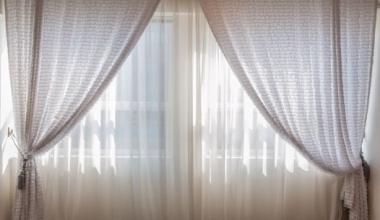
Lightweight and translucent, sheers provide privacy while diffusing natural light. Contract sheers are often made from fiberglass, polyester, or coated with flame retardants. Ideal for lobbies, restaurants, and healthcare waiting areas where a soft ambiance is desired.
Velvet Contract Fabrics
Velvet offers luxurious aesthetics with high pile. For contract use, it must be durable and FR-compliant. Options include polyester velvets with stain-resistant finishes, or natural blends. Suitable for theater drapes, luxury hotels, and boardrooms.
Acoustic Contract Fabrics
Designed to absorb sound, these fabrics have high NRC (Noise Reduction Coefficient) ratings. Often made from recycled polyester or fiberglass with a textured weave. Used in open-plan offices, auditoriums, and restaurants to reduce noise levels.
Applications in Various Industries
Hospitality
Hotels require elegant, durable curtains that meet fire codes and withstand guest use. Blackout and velvet fabrics dominate guest rooms and restaurants.
Healthcare
Hospitals need easy-to-clean, antimicrobial, and FR fabrics. Sheer cubicle curtains and blackout blinds are common. Privacy and infection control are top priorities.
Corporate Offices
Offices use acoustic fabrics to reduce noise and blackout for projection rooms. Daylight dimming fabrics enhance productivity and occupant comfort.
Education
Schools and universities require low-maintenance, durable curtains. Unlined blackouts for lecture halls and vibrant sheers for libraries.
How to Choose the Right Contract Fabric
| Factor | Considerations |
|---|---|
| Durability | Martindale >20,000 for curtain; >30,000 for upholstery. |
| Flammability | Verify NFPA 701 or local standard compliance. |
| Light Control | Choose blackout (99%+) or sheer (transparent). |
| Acoustics | Check NRC rating >0.5 for sound absorption. |
| Cleaning | Stain-resistant finishes, machine washable or dry clean. |
| Budget | Balance cost with lifecycle and maintenance savings. |
Always request swatches and test samples against your specific requirements, including lighting and fire testing.
Care and Maintenance Tips
- Vacuum curtains regularly with a brush attachment to remove dust and prevent dirt buildup.
- Spot clean spills immediately with mild soap and water; avoid harsh chemicals that damage finishes.
- Follow manufacturer’s cleaning codes: W (water), S (solvent), or WS (both). Many contract fabrics are dry clean only.
- Professional cleaning every 12-18 months recommended for heavy-traffic environments.
- Replace any damaged or faded panels to maintain appearance and performance.
Conclusion
Contract fabric is more than just durable fabric—it's a safety and performance solution for commercial spaces. By understanding the key characteristics, types, and testing standards, you can select the right material that balances aesthetics with longevity and compliance. Whether you need blackout for a hotel, acoustic for an office, or velvet for a theater, always prioritize certified fabrics from reputable suppliers. Investing in quality contract fabric ensures beauty, safety, and cost-effectiveness over the long term.