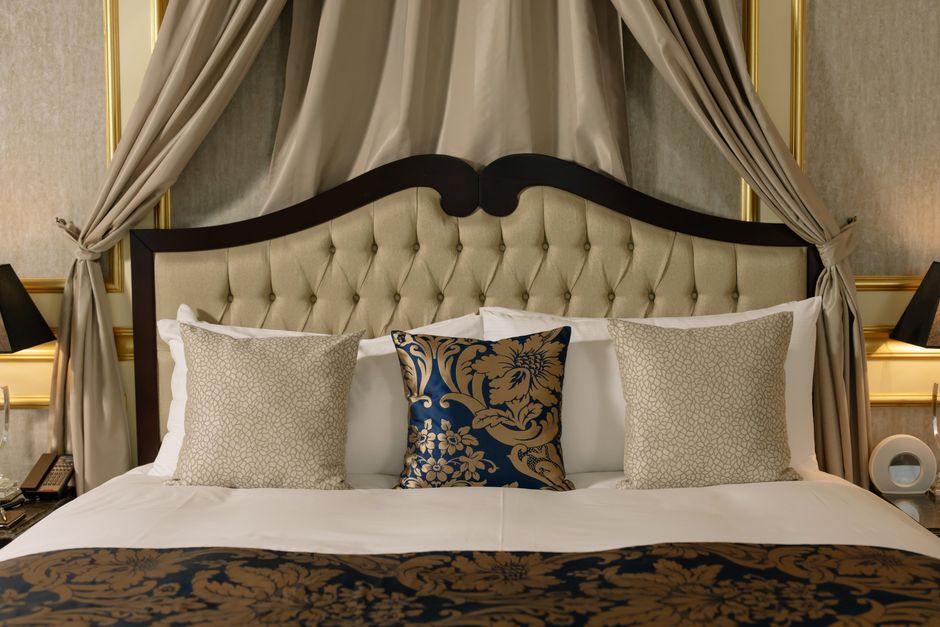
What Is Hospitality Fabric? A Complete Guide for Hotels, Restaurants & Beyond
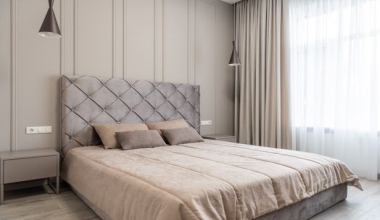
In the world of interior design and contract textiles, hospitality fabric is a specialized category of materials engineered for use in hotels, restaurants, resorts, cruise ships, and other public-facing environments. Unlike residential fabrics, hospitality fabrics must withstand high traffic, frequent cleaning, strict fire safety codes, and demanding aesthetic standards—all while maintaining comfort and style. Whether you're furnishing a boutique hotel or a bustling café, understanding what makes a fabric "hospitality-grade" is essential for durability, safety, and guest satisfaction.
___PROTECTED_1___
What Makes a Fabric Suitable for Hospitality?
Hospitality fabrics are not just about looks. They undergo rigorous testing and must meet specific performance criteria that ensure longevity and safety in commercial settings. The key differentiators include:
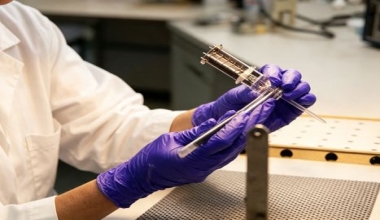
- Durability: Measured by the Wyzenbeek or Martindale abrasion test. Hospitality fabrics typically require a minimum of 15,000 double rubs (Wyzenbeek) for heavy-use areas like hotel guest chairs.
- Flame Retardancy: Most jurisdictions require hospitality fabrics to meet flammability standards such as NFPA 701, CAL TB 117, or BS 5852. This can be achieved through inherently flame-resistant fibers or chemical treatments.
- Stain and Water Resistance: Fabrics are often treated with finishes like Teflon or Scotchgard to repel spills and stains, or they are engineered with solution-dyed fibers that resist fading and moisture.
- Easy Maintenance: Hospitality fabrics must be easy to clean, often requiring only mild soap and water, or they must withstand professional wet-cleaning and steam extraction without shrinking or losing texture.
- Colorfastness: Prolonged exposure to sunlight and cleaning agents should not fade the colors. Solution-dyed acrylics and polyesters perform best in this regard.
___PROTECTED_2___
Types of Hospitality Fabrics
While the term "hospitality fabric" encompasses a broad range of weaves and fibers, certain types are particularly popular in the industry. Below, we break down the most common categories, especially those relevant to window treatments and upholstery.
1. Blackout Fabrics
Blackout fabrics are essential for hotels where guests expect complete darkness for restful sleep. These fabrics are typically woven or coated with a layer of acrylic foam, which blocks light, provides thermal insulation, and reduces outside noise. Blackout curtains are often used in guest bedrooms, and they must also be flame-retardant and easy to maintain. The best hospitality-grade blackout fabrics are also shrink-resistant and have a high tensile strength to withstand frequent opening and closing.
2. Sheer Fabrics
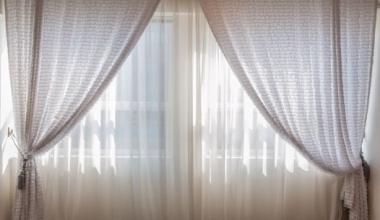
Sheer fabrics, such as voile, organza, or sheer polyester blends, are used in lobbies, restaurants, and guest rooms to diffuse natural light while providing privacy. They are lightweight, airy, and often layered with blackout drapes. For hospitality, sheers must resist sagging, fading, and static cling. Many are treated with anti-static finishes and have a smooth texture that doesn't trap dust. Sheer fabrics are also used as decorative overlays in banquet halls to create elegance.
3. Velvet Fabrics
Velvet is a luxurious choice for hospitality settings—used in lounge chairs, restaurant banquettes, and statement drapery. Modern hospitality velvets are often made from polyester or blended fibers, which offer the rich appearance of silk or cotton velvet but with higher durability and stain resistance. They can be treated with stain-blocking finishes, and some are inherently flame-retardant. Velvet adds a sense of opulence and acoustic absorption, making it a favorite for upscale interiors.
4. Acoustic Fabrics
Acoustic fabrics are designed to enhance sound quality by absorbing noise and reducing echo. They are used in hotels, conference rooms, theaters, and restaurants where noise control is crucial. These fabrics are usually made from dense, tightly woven materials, or they are laminated with an acoustic membrane. They can be made from recycled fibers, making them an eco-friendly option. Acoustic curtains are increasingly popular for open-plan spaces, as they help create a quieter, more comfortable environment without sacrificing style.
Key Properties to Look For in Hospitality Fabrics
When selecting hospitality fabrics, consider these crucial specifications:
| Property | Why It Matters |
|---|---|
| Abrasion Resistance | Prevents fraying and wear in high-touch areas. Look for at least 10,000 double rubs (ASTM D4157). |
| Flame Retardancy | Meets local fire codes; critical for public safety. Check for certification labels. |
| Lightfastness | Resistance to fading from UV exposure. A rating of 5 or above is ideal. |
| Tensile Strength | Resists tearing and seam slippage—important for draperies and heavy upholstery. |
| Cleanability | Can withstand industrial laundering or spot cleaning without losing integrity. |
| Moisture Resistance | Prevents mildew and moisture damage, especially in coastal or humid environments. |
Applications of Hospitality Fabrics Across Industries
Hospitality fabrics are used throughout the hospitality industry, but they are also applicable in other sectors that require commercial-grade performance.
Hotels and Resorts
From lobby seating to guestroom draperies and bedding, hospitality fabrics set the tone for comfort and luxury. Blackout curtains for guest rooms, sheer panels for daytime privacy, and durable upholstery for lounge chairs are all staples.
Restaurants and Bars
In restaurants, fabrics must be stain-resistant and easy to clean. Velvet or vinyl-upholstered chairs, blackout or acoustic curtains for atmosphere, and table linens that meet flame retardancy standards are common.
Healthcare and Corporate Spaces
While not strictly hospitality, healthcare facilities and corporate offices often use hospitality-grade fabrics due to their durability and antimicrobial properties. Acoustic curtains are popular in conference rooms and open-plan offices to reduce noise distractions.
Event Venues and Convention Centers
Banquet halls and convention centers require fabrics that can be quickly changed or cleaned between events. Flame-retardant drapes, acoustic panels, and durable flooring textiles are all part of the fabric ecosystem.
Care and Maintenance Tips for Hospitality Fabrics
Proper care extends the life of hospitality fabrics and maintains their appearance. Here are some practical tips:
- Vacuum regularly: Use a vacuum with a soft brush attachment to remove dust from upholstery and curtains, especially in high-traffic areas.
- Spot-clean spills immediately: Blot (do not rub) with a clean, dry cloth. Use a mild detergent solution for tough stains if approved by the manufacturer.
- Follow laundering instructions: Many hospitality fabrics require professional wet-cleaning or dry-cleaning. Always check the care label.
- Rotate and rotate: Rotate seat cushions and alternate drapery panels to ensure even wear.
- Protect from prolonged UV exposure: Use linings or UV-protective films on windows to prevent fading, even if the fabric is lightfast.
Choosing the Right Hospitality Fabric: A Buyer's Guide
When selecting hospitality fabrics, consider the following steps to ensure you make the right choice:
- Assess the application: Determine where the fabric will be used—curtains, upholstery, wallcovering, or bedding. Each application has different performance requirements.
- Check fire codes: Contact local authorities to understand the specific flammability standards you must meet. Request test reports from suppliers.
- Evaluate durability needs: For seating, you'll need high abrasion resistance. For drapery, tensile strength and lightfastness are more critical.
- Consider maintenance: Choose fabrics that fit your housekeeping routine. Some fabrics are machine-washable, while others require specialized cleaning.
- Order samples and test: Always request samples and simulate real-world conditions—spill coffee, expose to sunlight, and scrub-test before committing.
- Work with a reputable supplier: Look for certifications like OEKO-TEX, GREENGUARD, or Greenguard Gold for low chemical emissions.
Conclusion
Hospitality fabric is the backbone of commercial interior design, balancing aesthetics, safety, and durability. Whether you choose blackout curtains for a snug hotel suite, sheer panels for an airy restaurant, the richness of velvet for a luxury lounge, or acoustic fabrics for a quiet conference hall, understanding the unique properties of these textiles will empower you to make informed investments. By prioritizing flame retardancy, abrasion resistance, and easy maintenance, you'll create spaces that are not only beautiful but also safe and long-lasting.
Ready to elevate your hospitality project? Explore our curated collection of hospitality-grade fabrics today and find the perfect blend of style and performance.