Thermal fabric is a specialized textile engineered to regulate temperature by trapping air and reflecting heat. Unlike regular fabrics, thermal fabrics are designed to provide insulation, keeping rooms warmer in winter and cooler in summer. These fabrics are commonly used in curtains, bedding, and clothing, but in the world of window treatments, they have become indispensable for energy efficiency and comfort.
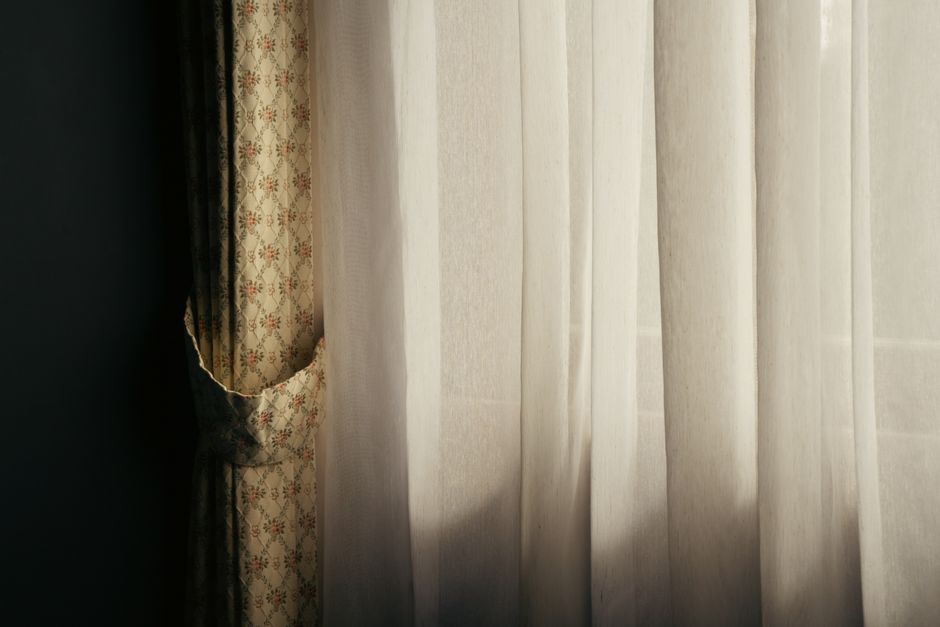
What Is Thermal Fabric? Definition and Key Properties
Thermal fabric, also known as insulating fabric, is a multilayered textile that incorporates materials like foam, felt, or reflective coatings to minimize heat transfer. The core property is its ability to reduce thermal conductivity. Key features include high density, thickness, and often a backing (such as acrylic foam or aluminum coating) that blocks radiant heat. Thermal fabrics can be made from natural fibers like cotton or wool, synthetics like polyester, or blends. For curtains, thermal fabric usually refers to a heavy, tightly woven material with an insulating interlining.
___PROTECTED_1___
How Thermal Fabric Works for Curtains
Thermal curtains work through two primary mechanisms: conduction and radiation. The dense fibers and air pockets trap still air, which is a poor conductor of heat. Additionally, reflective backings (often metallic) bounce radiant heat back into the room. During summer, the same principle prevents external heat from entering. The effectiveness is measured by the R-value (thermal resistance) and shading coefficient. Most thermal curtains achieve an R-value of 2–4, significantly reducing energy costs.
___PROTECTED_2___
Types of Thermal Fabrics for Curtains
Thermal properties can be found in various curtain fabrics. Here are common types:
- Blackout Thermal Fabric: Combines thick, opaque material with a foam or fleece lining. Blocks 99% of light and provides high insulation.
- Velvet Thermal Fabric: Plush velvet woven with a dense pile traps air effectively. Often lined with thermal backing for added insulation.
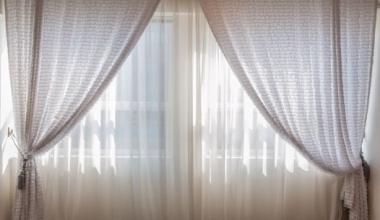
- Sheer Thermal Fabric: Lightweight but multilayered. Uses specially coated yarns to reflect heat while maintaining a translucent appearance.
- Acoustic Thermal Fabric: Dense, heavy fabrics that dampen sound and insulate. Commonly used in home theaters or noisy environments.
- Multilayer Composites: Fabrics with attached layers of foam, fiberfill, or reflective film for maximum thermal performance.
Benefits of Using Thermal Fabric Curtains
- Energy savings: Reduce heating and cooling costs by up to 25%.
- Temperature regulation: Keep rooms comfortable year-round.
- Light control: Many thermal fabrics double as blackout curtains.
- Noise reduction: Dense materials absorb sound.
- UV protection: Block harmful rays and prevent furniture fading.
- Privacy: Heavy fabrics prevent visibility from outside.
Thermal Fabric vs. Other Insulation Methods
| Method | R-Value | Cost | Ease of Installation |
|---|---|---|---|
| Thermal Curtains | 2–4 | $$ | Easy |
| Window Film | 1–2 | $ | Moderate |
| Double Glazing | 3–6 | $$$$ | Professional |
| Cellular Shades | 3–5 | $$$ | Moderate |
While thermal curtains offer a good balance of performance and cost, they are also versatile and decorative, unlike permanent fixtures.
Practical Tips for Choosing Thermal Curtains
- Check the lining: Look for foam-backed, aluminized, or flannel linings. A label stating "thermal" or "insulating" is a good sign.
- Measure for fullness: For maximum insulation, curtains should be 2–3 times the window width to allow folds that trap air.
- Consider the fabric weight: Heavier fabrics generally have higher thermal resistance. Velvet and blackout twill are excellent choices.
- Install properly: Mount rods as close to the ceiling as possible and extend beyond the window frame to reduce air gaps. Use a pelmet or valance to seal top gaps.
- Layer with sheers: In winter, thermal curtains can be paired with sheer curtains to create an insulating air pocket.
- Look for certifications: Some thermal fabrics meet energy star standards or have verified R-values.
Caring for Thermal Fabrics
Proper care extends the life of thermal curtains. Most thermal fabrics are machine washable but check the label. Use cold water and a gentle cycle to avoid damaging the backing. Avoid fabric softeners as they can reduce insulation. If using a dryer, tumble dry on low heat and remove while slightly damp to prevent wrinkles. For velvet or delicate thermal fabrics, dry cleaning is recommended. Vacuum regularly with a brush attachment to remove dust that may reduce thermal efficiency.
Conclusion
Thermal fabric is a smart investment for any home or office seeking energy efficiency and comfort. By understanding how it works, the types available, and how to choose and care for it, you can maximize its benefits. Whether you opt for blackout velvet or a high-tech acoustic thermal curtain, the key is to combine quality material with proper installation. Start saving energy today with the right thermal fabric solution.