1. Understanding Sound Absorption Basics
Before diving into which curtain type absorbs more sound, it's essential to grasp how sound absorption works. Sound waves travel through air and bounce off hard surfaces like walls, floors, and windows, creating echoes and reverberation. Curtains reduce noise by trapping sound energy within their fibers, converting it into small amounts of heat. The effectiveness depends on material density, thickness, and surface area. Both velvet and acoustic curtains aim to dampen sound, but their designs and intended uses differ significantly.
Acoustic curtains are engineered specifically for noise control, often featuring multiple layers of dense fabric and an internal sound-absorbing core. Velvet, on the other hand, is a luxurious textile known for its soft pile, which can also trap sound waves to some extent. However, not all velvet is created equal—its construction and weight play a major role in acoustic performance. Understanding these fundamentals helps you evaluate which option truly delivers superior sound absorption for your space.
___PROTECTED_1___
2. Material Composition: Velvet vs Acoustic Fabric
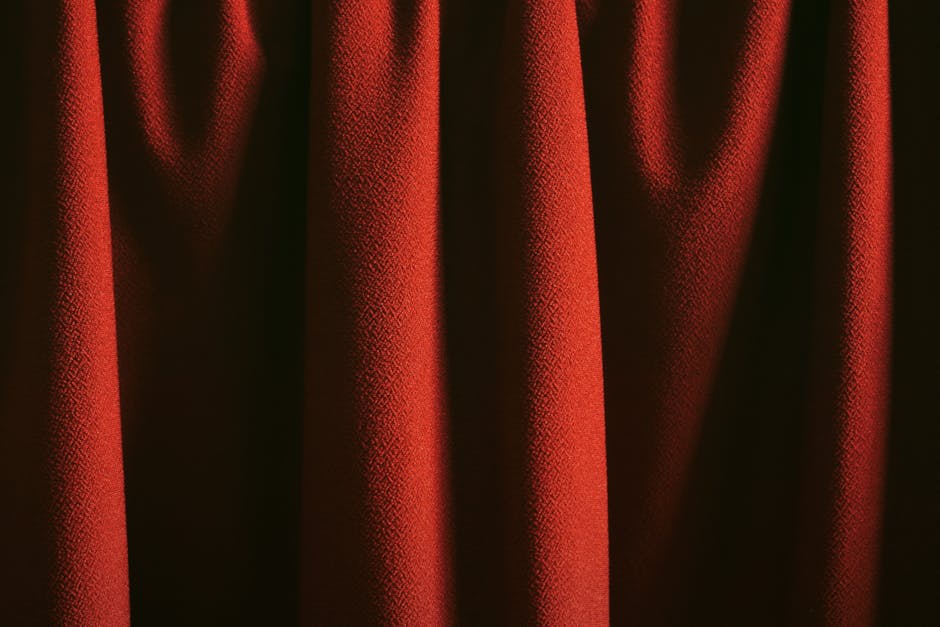
Velvet is traditionally made from silk, cotton, polyester, or a blend, characterized by a dense pile that gives it a soft, plush texture. The pile creates many small air pockets that can absorb mid- to high-frequency sounds, making velvet decent for reducing echo in a room. However, most velvet curtains are designed for aesthetics and light blocking, not acoustics. Their weave is often loose enough to let sound pass through, especially at lower frequencies.
Acoustic curtains, by contrast, are constructed from heavy, tightly woven fabrics like polyester, cotton duck, or fiberglass, often with multiple layers and a sound-dampening interlining (e.g., mass-loaded vinyl or thick felt). They are engineered to maximize sound absorption across a broader frequency range. The difference in material purpose is clear: acoustic curtains prioritize noise reduction over drape or sheen, while velvet prioritizes visual appeal. This distinction sets the stage for a performance comparison.
___PROTECTED_2___
3. Density and Weight: A Key Factor
Density—measured in ounces per square yard—directly correlates with sound absorption. Heavier fabrics block more airborne noise because mass helps stop sound waves. Velvet curtains typically weigh between 200 and 400 GSM (grams per square meter), which is moderate. While this weight can absorb some sound, it's rarely enough to significantly reduce noise from traffic, neighbors, or home theater systems.
Acoustic curtains, however, often exceed 500 GSM and can go up to 800 GSM or more. Their added mass, combined with acoustic linings, creates a substantial barrier. For example, a standard acoustic curtain with a mass-loaded vinyl core can reduce noise by 10-15 decibels (dB), while a velvet curtain may only achieve 3-7 dB reduction. In terms of pure density, acoustic curtains win hands down for sound absorption.
4. NRC Ratings: The Scientific Comparison
The Noise Reduction Coefficient (NRC) is a standardized rating from 0 to 1 that indicates how much sound a material absorbs. An NRC of 0 means perfect reflection (like concrete), while 1 means perfect absorption (like acoustic foam). Velvet curtains typically have an NRC between 0.15 and 0.30, meaning they absorb 15-30% of sound that hits them. Their performance is best for high-frequency sounds like conversations but weak for low-frequency bass.
Acoustic curtains designed for noise control often boast NRC ratings of 0.50 to 0.80 or higher, especially when pleated to increase surface area. Some premium models even achieve NRC 0.90. This dramatic difference demonstrates that acoustic curtains are far more effective at absorbing sound across the frequency spectrum. If you're setting up a home theater or recording studio, the NRC rating is a critical metric—and acoustic curtains consistently outperform velvet.
5. Thickness and Pleating: How They Affect Performance
Thickness matters because sound waves need to travel through the fabric to lose energy. Velvet curtains are usually 2-4 mm thick, which limits their absorption capacity. However, if you hang velvet with deep pleats or multiple layers, you increase the effective thickness and create air gaps that trap more sound. Some homeowners use velvet as a secondary layer behind heavier curtains to improve aesthetics while gaining a small acoustic benefit.
Acoustic curtains are deliberately thick—often 5-10 mm or more—and are designed to be hung floor-to-ceiling and wall-to-wall for maximum coverage. Pleating acoustic fabric further boosts performance by increasing the surface area and introducing folds that scatter sound. For example, a 3-pass pleat can raise NRC by 0.10-0.20 compared to a flat drape. Overall, thickness and installation technique can enhance velvet's performance, but acoustic curtains start with a much higher baseline.
6. Real-World Testing: Which Performs Better in Homes?
In practical home settings, velvet curtains can reduce echo and make a room feel cozier, especially in spaces with hardwood floors. They are excellent for absorbing high-frequency sounds like clapping or voices, but they fail to block low-frequency noise from bass or traffic. Users often report a subtle improvement in acoustics but not enough to eliminate external noise.
Acoustic curtains, when installed correctly, produce noticeable noise reduction. For instance, placing them over windows can cut street noise by 50% or more. They are also effective for treating room reverberation, making them popular for home theaters, recording studios, and open-plan offices. While velvet can be part of a layered acoustical solution, acoustic curtains are the superior choice when sound absorption is the primary goal. Side-by-side tests consistently show acoustic curtains outperforming velvet by a significant margin in decibel reduction.
7. Cost vs. Benefit: Making the Right Choice
Velvet Curtains are generally more expensive than standard drapes but less costly than high-performance acoustic curtains. A pair of velvet panels might cost $50–$200, depending on size and fabric quality. Their aesthetic value is high, but their acoustic return is low. If you need sound absorption mainly for ambiance and have a tight budget, velvet can be a stylish compromise.
Acoustic curtains range from $80 to $300 per panel, plus potential installation costs. While pricier, they deliver measurable noise reduction and are a long-term investment for dedicated spaces. For example, a home theater owner will get far more value from acoustic curtains than from velvet. To decide, assess your needs: if you require genuine sound absorption for work or entertainment, choose acoustic curtains. If you prioritize decor and only want mild echo reduction, velvet may suffice. Remember, you can also combine both—use acoustic curtains for function and velvet overlays for style.
In summary, acoustic curtains absorb significantly more sound than velvet due to superior material, density, NRC ratings, and thickness. Velvet has its place for elegance and light sound dampening, but for serious noise control, acoustic curtains are the definitive winner.