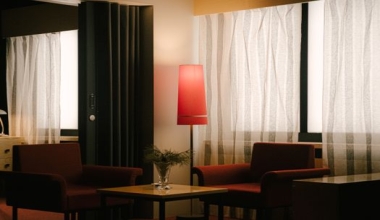
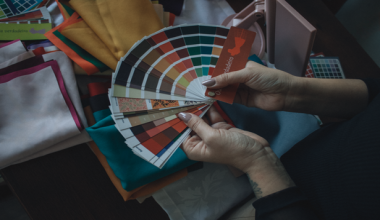
The age-old debate between curtains and blinds has no single winner. Both window treatments offer distinct advantages, but modern fabric innovations—think blackout, sheer, velvet, and acoustic textiles—have elevated curtains far beyond traditional drapery. In this comprehensive guide, we break down every important factor to help you choose the perfect solution for your space, lifestyle, and budget.
What Are Curtains and Blinds?
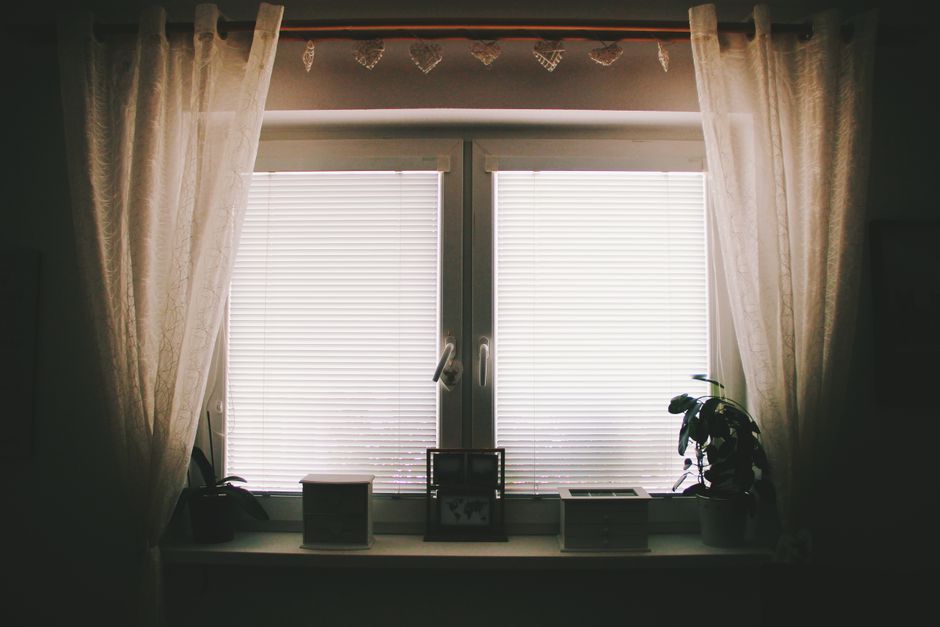
Curtains are soft fabric panels hung from a rod or track. They come in countless materials, colors, and patterns, and can be tailored to exact measurements. Modern curtain fabrics include specialized options like blackout linings, sheer weaves, plush velvets, and even acoustic panels that absorb sound.
Blinds are hard window coverings made from slats—typically wood, aluminum, or PVC—that can be tilted, raised, or lowered. They offer precise light control and a clean, minimalist look. Popular types include Venetian, roller, and vertical blinds.
The choice ultimately depends on your priorities: light filtering, thermal efficiency, acoustic insulation, style, or maintenance. Let's dive into a detailed side-by-side comparison.
___PROTECTED_1___
Curtains vs Blinds: The Ultimate Comparison Table
| Criteria | Curtains | Blinds |
|---|---|---|
| Light Control | Variable from sheer to full blackout | Precise tilting, but gaps between slats |
| Privacy | Excellent, especially with opaque fabrics | Partial—slats can be angled but still reveal outlines |
| Insulation | Excellent thermal barrier with thick fabrics | Moderate—aluminum conducts heat, wood is better |
| Sound Absorption | Superior, especially with acoustic fabrics | Poor—hard surfaces reflect sound |
| Aesthetic Variety | Unlimited fabrics, colors, patterns, and textures | Limited to slat materials and a few finishes |
| Maintenance | Machine wash or dry-clean | Dust with cloth or vacuum; deep clean is harder |
| Cost | Wide range, from budget polyester to luxury velvet | Generally lower upfront, but high-quality wood blinds can be pricey |
___PROTECTED_2___
Light Control and Privacy
When it comes to light control, curtains and blinds operate very differently. Blinds give you instant, precise adjustment—simply tilt the slats to let in a sliver of light or close them entirely. However, even when fully closed, light leaks through the cord holes and gaps between slats, which can be a dealbreaker for home theaters or bedrooms.
Curtains, on the other hand, offer a spectrum of light filtration. Sheer curtains diffuse natural light beautifully while maintaining a sense of openness. Blackout curtains feature a dense, often coated fabric that blocks 99% of sunlight, making them ideal for nurseries, shift workers, or media rooms. You can also layer sheers with blackouts for ultimate flexibility.
Privacy tip: For street-level rooms, opt for blackout curtains or a double-layer system. Blinds with daylight gaps may compromise your privacy at night when interior lights are on.
Energy Efficiency and Acoustic Insulation
Your window treatments can significantly affect your home's energy consumption. Blinds, especially aluminum ones, can reflect heat but don't trap air effectively. Wooden blinds offer better insulation but still fall short of fabric curtains.
Curtains excel as thermal barriers. Velvet curtains, with their heavy pile, create an air pocket that keeps rooms warm in winter and cool in summer. Acoustic curtains are specially designed with densely woven layers and sometimes a mass-loaded vinyl core to absorb sound waves. They're a game-changer in open-plan offices, recording studios, or apartments near busy roads.
Practical tip: Install curtains with a pelmet or valance to reduce air current above the window, and choose floor-to-ceiling lengths to maximize coverage.
Style and Aesthetics: The Fabric Advantage
Style is where curtains truly shine. A room can be instantly transformed by the drape, color, and texture of fabric. Velvet curtains add a touch of luxury and drama, making them perfect for living rooms and statement bedrooms. Sheer curtains create an airy, romantic ambiance and pair beautifully with heavier drapes.
Blinds, by contrast, have a more utilitarian appearance. While modern cordless blinds come in various colors, they can’t match the softness and architectural presence of fabric curtains. Moreover, curtains can be custom-made to fit unusual window shapes—arches, bay windows, and skylights—where blinds often struggle.
Designer tip: Use sheer curtains for daytime privacy while allowing light, then layer blackout or velvet panels for evening coziness. For a cohesive look, choose curtain hardware that complements your interior design.
Maintenance and Care
Your choice between curtains and blinds should also depend on your willingness to clean them. Blinds are notorious dust collectors. Frequent dusting with a feather duster or vacuum attachment is necessary, and the slats can bend or warp over time. Professional cleaning for blinds is often impractical and costly.
Curtains are easier to maintain in many cases. Here’s a quick care guide:
- Sheer curtains: Machine wash on a gentle cycle with cold water; hang dry to avoid wrinkles.
- Blackout curtains: Check the label—many are dry-clean only, but some can be hand-washed with mild detergent.
- Velvet curtains: Spot clean first; for deep cleaning, use a handheld steamer to refresh the pile without harsh chemicals.
- Acoustic curtains: Vacuum gently with a soft brush attachment—do not machine wash, as the soundproofing layers may separate.
Pro tip: Always pre-shrink or account for fabric shrinkage when ordering custom curtains. And invest in quality curtain hooks or rings to prevent tearing.
Cost Considerations
Budget is a major factor. Blinds are often seen as the cheaper option, but the total cost depends on material and customization. Basic vinyl blinds can be installed for a few hundred dollars per window, whereas high-quality wooden blinds or motorized versions can rival custom curtains.
Curtains range from budget-friendly polyester to premium silk or velvet. However, you'll also need to factor in rods, brackets, and lining. A great middle ground is to use a simple curtain track with clip-on rings—inexpensive yet highly functional.
Long-term value: Curtains with thermal or acoustic properties can reduce your energy bills, making them a smart investment. Blinds have a shorter lifespan if constantly adjusted or exposed to sunlight, which can fade or crack the slats.
Choosing the Right Option for Each Room
Different rooms have different needs. Here's a quick guideline based on common industry applications:
Bedrooms
Blackout curtains are the undisputed champion here. They promote deep sleep by eliminating light pollution. Pair them with sheer curtains for daytime coverage without making the room feel cave-like.
Living Rooms
Velvet curtains add warmth and sophistication. If you have a large TV, consider acoustic curtains to reduce echo and improve dialogue clarity. Blinds might work if your aesthetic is modern and minimal, but they won't offer the same acoustic benefit.
Home Theaters
Dedicated home theaters need total darkness and sound control. Opt for layered blackout and acoustic curtains, with side channels to block edges. Blinds are not sufficient for this purpose.
Offices and Executive Suites
Acoustic curtains help manage noise in open-plan spaces, fostering concentration. Sheer curtains diffuse glare on computer screens while maintaining visibility. Blinds can be a better fit for conference rooms where adjustable light is needed, but combine them with acoustic panels for the best of both worlds.
Restaurants and Hospitality
In restaurants, velvet curtains create a cozy, intimate atmosphere and absorb clatter. For hotel guest rooms, blackout linings are non-negotiable—guests expect complete darkness for jet-lag recovery.
Hybrid Solutions: When to Combine Curtains and Blinds
Sometimes the best answer is not either/or. Combining curtains with blinds gives you maximum flexibility. For example, use roller blinds for precise light control and privacy, then hang sheer curtains in front to soften the space. This layering strategy is popular in interior design and allows you to enjoy the strengths of both treatments.
Retrofit options like cassette blinds with smart-home integration can be covered by a decorative curtain valance. If you're tech-savvy, motorized curtains and blinds can be programmed to open and close automatically, adding convenience to luxury.
Final Verdict: Which Should You Choose?
There’s no universal winner—only the right solution for your specific circumstances. Choose blinds if you prioritize clean, minimal aesthetics, precise light control, or a lower upfront cost. Choose curtains if you value luxury, warmth, acoustic comfort, and design flexibility. In many homes, a mix of both is the most practical approach.
At [Your Brand], we specialize in high-performance curtain fabrics that bridge the gap between beauty and function. Explore our collections of blackout, sheer, velvet, and acoustic curtains to elevate your spaces effortlessly.