When it comes to window treatments, the debate between Roman shades and curtains is a classic one. Both offer distinct benefits for light control, privacy, and style. But which one is right for your space? In this comprehensive guide, we’ll break down the differences, compare performance in key areas, and help you make an informed decision that suits your interior design and functional needs.
Roman Shades vs Curtains: Key Differences at a Glance
Before diving into the details, let’s summarize the main distinctions between Roman shades and curtains in a quick-reference table.
| Aspect | Roman Shades | Curtains |
|---|---|---|
| Fabric | Structured, folds neatly when raised | Flowing, draped, and often gathered |
| Light Control | Precise, with options for blackout lining | Depends on fabric weight and lining |
| Space Required | Compact, fits within window frame | Requires more wall space for full effect |
| Installation | Inside or outside mount, simple | Requires rod and often more hardware |
| Cleaning | Easy to dust, occasional spot cleaning | May require removal and washing/dry cleaning |
| Energy Efficiency | Excellent with thermal lining | Good, especially with heavy fabrics |
| Acoustic Performance | Moderate to high with acoustic fabric | High with thick, dense materials |
___PROTECTED_1___
Aesthetic Appeal: Which One Elevates Your Space?
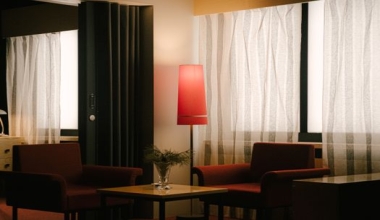
Both Roman shades and curtains have unique aesthetic qualities. Roman shades offer a clean, tailored look that suits modern, minimalist, and traditional interiors alike. Their horizontal folds create crisp lines that frame the window beautifully. On the other hand, curtains bring softness, drama, and a sense of luxury. The flowing fabric can elongate windows visually, making rooms feel taller and more grand.
Design Versatility
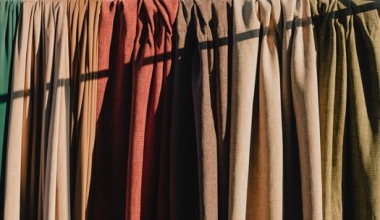
Roman shades are available in countless fabrics—from sheer linen to velvet and even acoustic materials. This allows you to match your exact color palette and texture preferences. Curtains offer similar versatility but with the added dimension of drapery: you can choose from pleats, eyelets, or even grommet tops to change the overall vibe.
If you want a layered look, combining Roman shades with curtains is a popular trend. The shades provide privacy and light control, while curtains add warmth and acoustic benefits. This hybrid approach gives you the best of both worlds but requires more planning and a larger budget.
___PROTECTED_2___
Light Control and Privacy: A Detailed Comparison
Light control is often the deciding factor for many homeowners. Roman shades excel in this area because they can be adjusted in increments. You can stop them at any point to let in a sliver of light or close them fully for complete blackout. This precision is ideal for bedrooms, home theaters, and nurseries.
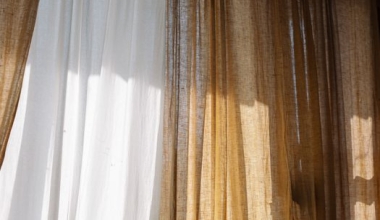
Curtains, while effective when closed, are typically an all-or-nothing solution unless you install a separate tie-back. However, with the right fabric—like a blackout velvet or a triple-weave lining—curtains can achieve near-total darkness. For sheer curtains, privacy becomes more of an issue, so consider layering with a shade or adding a liner.
Blackout Options
Both treatments can be made with blackout materials. For Roman shades, blackout lining is available that blocks light completely when the shade is fully lowered. For curtains, choose a dense fabric like velvet or a specialized blackout interlining. Keep in mind that no treatment is 100% lightproof unless you also address edges and gaps with side channels or wrap-around tracks.
Insulation and Energy Efficiency
Window treatments play a crucial role in regulating room temperature. Roman shades, especially those with a thermal or honeycomb backing, create an insulating barrier between the glass and your living space. Their compact design reduces air circulation around the window, trapping heat in winter and keeping your room cooler in summer.
Curtains are equally effective if they are floor-length and made from heavy fabrics. The drapes create a layer of still air between the fabric and the window, which significantly reduces heat transfer. For maximum energy savings, combine curtains with a pelmet or valance to cover the top gap.
Fabric Matters
Velvet curtains are excellent insulators due to their high density. On the other hand, acoustic fabrics often contain multiple layers that also provide thermal benefits. When choosing, look for materials with a high GSM (grams per square meter) and consider adding a separate lining for optimal performance.
Acoustic Performance: Blocking Noise with Fabric
Noise pollution is a growing concern, especially in urban areas. Both Roman shades and curtains can help reduce unwanted sound, but their effectiveness depends on the fabric and installation. Acoustic curtains are specially designed with dense, mass-loaded vinyl or multiple fabric layers to absorb sound waves. These can reduce noise by up to 50% when hung properly to the floor with a ceiling-to-floor track.
Roman shades made from acoustic fabric also provide soundproofing benefits, though they typically cover only the window area and not adjacent walls. For maximum acoustic treatment, use full-wall curtains or combine shades with side panels. Remember that seams and gaps allow sound to pass through, so ensure a tight seal around the window frame.
Ease of Operation and Maintenance
When it comes to daily use, Roman shades are generally easier to operate. They feature a simple continuous cord loop, chain, or motorized system. With the right mechanism, you can raise or lower them smoothly with one hand. Curtains require pulling the fabric along a rod, which can be cumbersome for large or heavy drapes. However, modern track systems and gliders have made this easier.
Cleaning and Care
Roman shades are low-maintenance: regular dusting with a vacuum attachment or soft brush works for most fabrics. For stains, spot clean with a mild detergent and water. Curtains, especially velvet or sheer, are more delicate. They may need professional dry cleaning or careful washing at low temperatures. Always check the fabric care label to avoid shrinkage or damage.
Cost Considerations and Value for Money
Price is a significant factor in any design decision. On average, Roman shades are more expensive than curtains when compared material-wise, because they require more precise fabrication and hardware. However, they often need less fabric to cover the same window, since they fit snugly within the frame. Curtains, especially floor-length ones, require substantial yardage—so the final cost depends on your window size and fabric choice.
Investing in high-quality materials like blackout velvet or acoustic fabric will increase the price for both options. Consider that Roman shades may offer better long-term value due to their durability and lower energy bills. But curtains can be a more budget-friendly choice if you are handy with DIY and choose ready-made panels.
How to Choose Between Roman Shades and Curtains
Now that you understand the technical differences, here are some practical tips to help you decide:
- Assess your light control needs: If you need precise control, choose Roman shades with a lock mechanism.
- Consider the style of your room: For a soft, romantic vibe, go with curtains; for a clean, architectural look, opt for shades.
- Measure your window depth: Roman shades work well on shallow frames, while curtains need adequate wall space.
- Think about maintenance: If you prefer set-and-forget, choose Roman shades with an anti-static coating.
- Layer ideas: Use Roman shades as a base and add sheer curtains for a relaxed yet polished effect.
Popular Fabric Choices
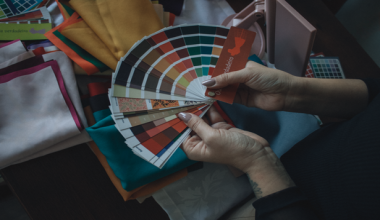
For blackout: Velvet roman shades or blackout curtains. For sheer lightness: Linen or cotton sheers. For acoustic purposes: Acoustic curtains or shaded that are labeled with noise reduction coefficients. Always ask for fabric samples to test light filtering and texture in your home.
Installation Tips for Both Options
Proper installation is crucial for both function and appearance. For Roman shades, ensure the mounting brackets are level and anchored into studs or use strong wall anchors. Inside mount gives a built-in look; outside mount extends coverage and can block more light. Measure carefully—a shade that is too wide won't fit, and one that is too narrow leaves gaps.
For curtains, install the rod 4-6 inches above the window frame and extend it 8-12 inches beyond each side to create an illusion of a larger window. Use a sturdy rod that can support the weight of heavy fabrics. For a streamlined look, use rings or eyelets that glide easily. When hanging, always press the curtains to remove wrinkles before hanging.
Caring for Your Window Treatments
To extend the life of your investment, follow these care guidelines:
- Dust Roman shades weekly with a soft brush or vacuum.
- For spills, blot immediately with a clean cloth—avoid rubbing.
- Curtains should be vacuumed with a brush attachment regularly.
- Wash curtains per label instructions, and use gentle cycle for delicate fabrics.
- Iron or steam them while slightly damp to keep a crisp finish.
- Consider using fabric protectors to prevent dust and stain build-up.
Both Roman shades and curtains are wonderful choices, and the final decision comes down to your personal preferences, functional requirements, and lifestyle. By weighing the factors above, you can confidently select the window treatment that will enhance your home's beauty and comfort for years to come.