Understanding Light Control: Blackout vs Dimout Curtains
When choosing window treatments, the level of light control is often the deciding factor. Two popular options—blackout and dimout curtains—serve distinct purposes, yet many homeowners confuse them. This guide breaks down their key differences, helping you make an informed decision for each room in your home or commercial space.
___PROTECTED_1___
What Are Blackout Curtains?
Blackout curtains are designed to block nearly all external light. They typically consist of multiple layers, including a dense foam or rubberized lining, which prevents light penetration. High-quality blackout fabrics can block 95% to 100% of light, creating a pitch-dark environment. These curtains are also effective thermal insulators, reducing heat loss in winter and heat gain in summer. Common materials include polyester blends, microfiber, and triple-weave fabrics.
___PROTECTED_2___
What Are Dimout Curtains?
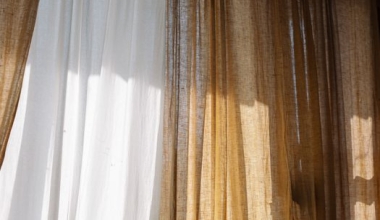
Dimout curtains, also called light-filtering or room-darkening curtains, reduce light without completely eliminating it. They are made from medium-weight fabrics that soften and diffuse incoming sunlight, creating a warm, ambient glow. Dimout curtains typically block 70% to 85% of light, depending on the fabric density and weave. They offer a balance between privacy and natural light, making them ideal for spaces where you want some daylight but need to reduce glare.
Key Differences Between Blackout and Dimout Curtains
| Feature | Blackout Curtains | Dimout Curtains |
|---|---|---|
| Light Blocking | 95–100% | 70–85% |
| Fabric Weight | Heavy, rigid | Medium, flexible |
| Thermal Insulation | Excellent | Moderate |
| Privacy (at night with lights on) | Complete | Partial (silhouettes visible) |
| Cost per panel | $30–$100+ | $20–$60 |
| Best Use | Bedrooms, home theaters, nurseries | Living rooms, offices, dining areas |
When to Choose Blackout Curtains
Blackout curtains are essential for bedrooms, especially for light-sensitive sleepers, shift workers, or those with irregular sleep schedules. They also benefit home theaters, nurseries (for nap time), and rooms facing bright streetlights. Their heavy fabric reduces noise and dust, improving overall comfort. If you need complete darkness, sound dampening, and energy efficiency, blackout is the way to go.
Practical Tip: Layering for Maximum Effect
Combine blackout curtains with a sheer curtain behind them. The sheer layer catches most dust and allows you to let in natural light during the day while keeping the blackout panel closed. This extends the life of your curtains and provides flexibility.
When to Choose Dimout Curtains
Dimout curtains shine in living rooms, dining areas, and home offices where you want soft, diffused light without harsh glare. They create a cozy ambiance while still offering UV protection for furniture and flooring. Dimout fabrics often come in more stylish patterns and textures, making them a favorite for interior designers. If you prioritize aesthetics and moderate light control over total blackness, dimout is ideal.
Practical Tip: Measuring for Proper Coverage
For dimout curtains to work effectively, the panel width should be 2–3 times the window width. This ensures enough fabric to diffuse light evenly. Mount the rod 4–6 inches above the window frame to maximize light diffusion and make the room appear larger.
Fabric and Care Considerations
Both types require proper care. Blackout curtains with rubberized linings should not be machine washed—spot clean or dry clean only. Dimout curtains of polyester or cotton blends can often be machine washed on gentle cycle. Always check the label. For acoustic versions (which also block sound), avoid ironing the lining.
Cost and Long-Term Value
Blackout curtains are generally more expensive due to the extra layers and heavy fabrics. However, they offer long-term savings on energy bills and can reduce noise, adding to property value. Dimout curtains are more budget-friendly upfront but may need replacement sooner if exposed to direct sunlight frequently. Consider the room's usage and your budget.
Conclusion: Which One Should You Choose?
The choice between blackout and dimout curtains boils down to your primary need: total darkness or balanced light. For bedrooms and media rooms, invest in blackout. For living spaces where you want natural light without glare, dimout curtains are perfect. Many homes benefit from a mix of both—blackout in sleep areas, dimout in social zones. Evaluate your lifestyle, room function, and aesthetic preference, and you'll find the ideal fabric.