Choosing the right fabric for your interior design project can be challenging, especially when you are deciding between curtain wall fabric and upholstery fabric. While both are used in home and commercial spaces, they serve different purposes and possess distinct characteristics. This comprehensive guide explores the key differences, applications, and technical factors to consider, helping you make an informed decision for your next design or renovation project.
What Is Curtain Wall Fabric?
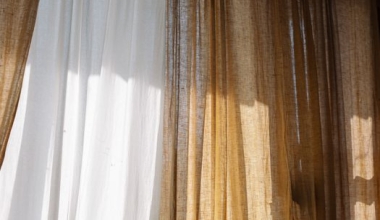
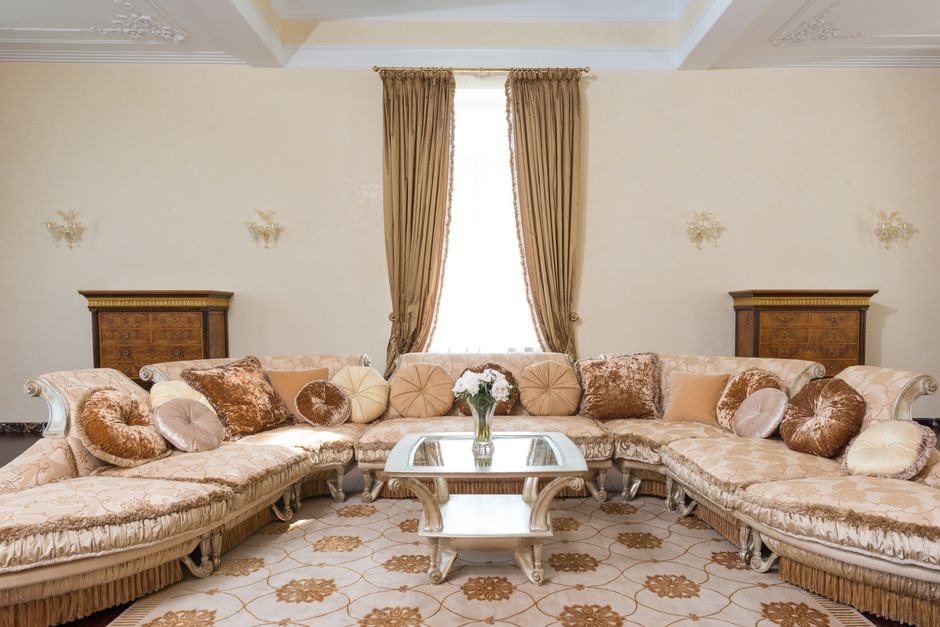
Curtain wall fabric (also known as drapery fabric) is specifically engineered for window treatments. It is typically lightweight to medium-weight, allowing it to drape elegantly and control light effectively. Curtain fabrics are available in a vast range of weaves, from sheer voiles to heavy blackout textiles. The primary function is to provide privacy, light filtration, insulation, and aesthetic appeal for windows.
Key characteristics of curtain wall fabric include:
- Drapability: Fabrics are designed to hang smoothly and create folds without stiffness.
- Light management: Options range from sheer to blackout, depending on the weave and finish.
- Softer hand feel: Generally softer and more flexible than upholstery fabrics.
- Moderate durability: Designed for vertical hanging, not repeated friction or stretching.
- Often treated with finishes for stain resistance, UV protection, or flame retardancy.
___PROTECTED_1___
What Is Upholstery Fabric?
Upholstery fabric is built for furniture—sofas, chairs, headboards, and cushions. It must withstand heavy wear, abrasion, stretching, and frequent contact. This fabric is typically heavier, denser, and more durable than curtain fabric. It often features tight weaves, robust fibres, and enhanced resistance to pilling, fading, and tearing.
Key characteristics of upholstery fabric include:
- High durability: Rated by abrasion tests like Wyzenbeek or Martindale for heavy use.
- Stability: Less stretch and better recovery to avoid sagging.
- Texture variety: Can be smooth, textured, or patterned, but still structurally strong.
- Flame retardancy: Often meets strict government standards for contract and residential furniture.
- Stain resistance: Many are treated with protective coatings or are inherently resistant.
___PROTECTED_2___
Key Differences at a Glance
| Property | Curtain Wall Fabric | Upholstery Fabric |
|---|---|---|
| Main Use | Window curtains, drapes, panels | Furniture, seating, cushions |
| Weight | Light to medium (100–300 gsm) | Medium to heavy (300–600+ gsm) |
| Durability | Moderate, for vertical installation | High, for constant contact and friction |
| Draping | Excellent, flows and gathers easily | Stiff, limited drape, holds structure |
| Light Control | Yes, from sheer to blackout | Minimal, not designed for light blocking |
| Abrasion Resistance | Not rated for high friction | Rated with Wyzenbeek/Martindale cycles |
| Cleaning | Often machine washable or dry clean | Usually professional cleaning or spot cleaning |
| Fire Standards | Depends on local codes for draperies | Often requires heavy flame-retardant treatments |
| Common Fibres | Polyester, linen, cotton, silk, voile | Wool, cotton blends, polyester, olefin, leather |
Fabric Weight and Durability
One of the most significant differences is weight and durability. Curtain fabrics are optimized for vertical hanging. They do not need to withstand the abrasion of people sitting, lying, or rubbing against them. Therefore, they are often lighter and more delicate, which makes them easier to gather and drape. However, that same lightness means they would wear out quickly if used on a couch.
Upholstery fabrics, on the other hand, are constructed for horizontal or angled surfaces where friction is constant. They have higher thread counts, tighter weaves, and stronger blends. The abrasion resistance is measured by standardized tests. For residential seating, a Wyzenbeek rating of 15,000+ double rubs is recommended; for commercial use, it should be over 30,000. Curtain fabrics rarely come with such ratings.
Fire Retardancy and Safety Standards
Flame retardancy is a critical factor in both textiles, but the standards differ. Curtain wall fabrics—especially those used in public buildings, theatres, and offices—must often comply with NFPA 701 or similar local codes. Many curtain fabrics are naturally flame-resistant or are chemically treated to self-extinguish.
Upholstery fabrics face stricter regulations because they are used in furniture that people sit on, and the risk of fire propagation is higher. The US with California Technical Bulletin 117-2013 and the UK with BS 5852 require furniture to pass flammability tests. Upholstery fabrics may need a fire barrier layer or inherently flame-retardant fibres. It is crucial to check the fire safety certificates before using any fabric in a commercial setting.
Light Control and Privacy
Curtain wall fabric excels in light control and privacy. From sheer fabrics that filter daylight to blackout linings that block 100% of light, the range of options is extensive. The fabric's opacity and weave determine how much light enters a room, and you can also layer fabrics for additional insulation and sound absorption.
Upholstery fabric is not designed to block light or provide privacy. You would never hang upholstery fabric from a window; it would be too heavy and unwieldy, and it would block all natural light if it were opaque. For windows, you need a fabric that can be pleated, tied back, and traversed along a rod—all qualities that curtain fabrics are engineered for.
Cleaning and Maintenance
Maintenance is another point of divergence. Curtains are exposed to dust, sunlight, and occasional stains from open windows or food. Many curtain fabrics are machine washable on a gentle cycle, especially those made of polyester or cotton. Some require dry cleaning, but they are generally easier to remove and launder than bulky furniture covers.
Upholstery fabrics are more difficult to clean. Because they are attached to furniture frames, you cannot simply throw them in a washing machine. Instead, you rely on spot cleaning with a mild detergent, steam extraction, or professional cleaning services. Upholstery fabrics are often treated with stain repellents, but they still need regular vacuuming to prevent dirt from abrading the fibres.
Cost Considerations
Cost varies widely depending on fibre, brand, and finish. In general, curtain fabrics range from $10 to $50 per yard, though luxury silks and linens can cost more. Upholstery fabrics are typically more expensive because of their durability and higher material density. Expect to pay $30 to $100+ per yard for quality upholstery fabric. However, we always recommend comparing the total square footage needed and the installation complexity.
If you are on a budget, you can use curtain fabric for decorative cushions that see light use, but for a sofa or a frequently used chair, investing in proper upholstery fabric is more economical long-term because it will last much longer.
When to Use Curtain Wall Fabric
- Window curtains and draperies for living rooms, bedrooms, and offices.
- Sheer panels for light diffusion and privacy.
- Blackout curtains for bedrooms and media rooms.
- Decorative room dividers (hanging panels).
- Event backdrops and stage drapery.
When to Use Upholstery Fabric
- Residential sofas, armchairs, and love seats.
- Commercial seating in hotels, restaurants, and lobbies.
- Custom headboards and ottomans.
- Cushion covers for indoor and outdoor furniture.
- Car and boat interiors (marine-grade upholstery).
Can You Use Upholstery Fabric for Curtains?
Technically, yes, but it is not recommended in most situations. Upholstery fabric is heavier and stiffer, which means it will not drape well. It may also be too heavy for standard curtain rods and could pull them down. The light-blocking ability might be excellent, but the look can be bulky, and the stiffness makes pleating difficult.
There are exceptions. Some designers intentionally use heavy upholstery fabrics for dramatic, floor-length curtains in large rooms with reinforced rods. This works when you want a structural, tailored look. However, for standard residential windows, a curtain fabric or a medium-weight drapery is far more practical.
Can You Use Curtain Fabric for Upholstery?
Using curtain fabric on furniture is generally a bad idea unless the furniture is purely decorative and not sat upon. Curtain fabrics are not abrasion-resistant, and they will quickly show wear, pilling, or tears at the seams. They also stretch more, causing loose covers to sag. If you are reupholstering a dining chair or a bench that gets minimal use, you may get away with it, but for anything more demanding, choose upholstery-rated material.
Expert Tips for Choosing the Right Fabric
- Assess the end use: Always think about the amount of traffic and friction. Windows only need light, moving air; sofas need constant wear.
- Check the fire certificates: Local building codes often dictate flame-retardant standards for public spaces. Confirm your fabric meets these requirements.
- Test the drape: If you are buying fabric, pinch a corner and see how it folds. Curtain material should drape softly; upholstery fabric will hold its shape.
- Consider light exposure: Curtains in sunny rooms need UV-resistant finishes to prevent fading. Upholstery fabrics placed near windows should also have high UV resistance.
- Take the weight seriously: A heavy curtain fabric might require a sheer-rod or a professional installation. Upholstery fabric that is too light can slip and cause wrinkles on furniture.
- Look after your investment: Buy extra yardage for future repairs, and always follow the fabric's specific cleaning instructions.
Industry Application Cases
Hotel Industry
Hotels use both types of fabric. In guest rooms, curtain wall fabrics are essential for blackout capabilities, making every night comfortable. Upholstery fabrics are selected for seating areas and benches, with high abrasion ratings to endure thousands of guests.
Corporate Offices
Office spaces need both sound absorption and durability. Curtain fabrics with acoustic properties are used for window treatments and wall panels. Upholstery fabrics on office chairs and sofas require high rub counts and anti-bacterial finishes for hygienic maintenance.
Healthcare Facilities
Hospitals and clinics demand flame-retardant, antimicrobial fabrics. Curtain fabric made of PVC mesh is often used for privacy screens because it is easy to wipe down. Upholstery fabrics for waiting room chairs must be fluid-resistant and withstand regular disinfection without deteriorating.
Conclusion
In summary, curtain wall fabric and upholstery fabric are engineered for very different environments. curtain fabric prioritizes drape, light management, and elegance, while upholstery fabric emphasizes durability, stability, and abrasion resistance. For the best results in your project, always choose a fabric that matches its intended function. Whether you are dressing a bay window or recovering a vintage armchair, understanding these differences will save you time, money, and frustration. If you are still unsure, consult a professional fabric supplier or interior designer who can recommend certified materials suited to your specific needs.