Introduction
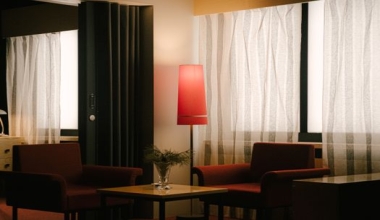
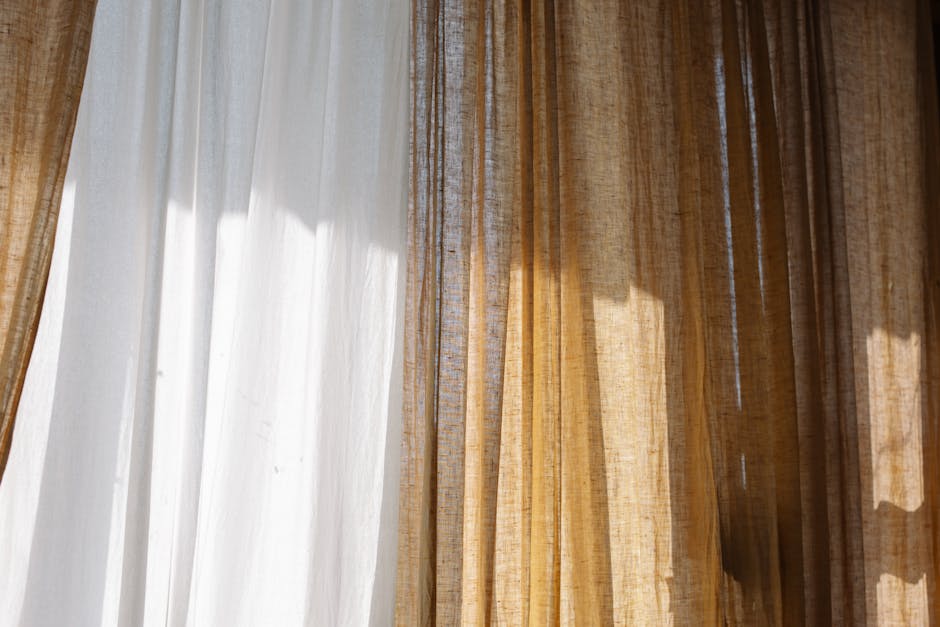
When choosing curtains for your home or office, the level of light control is a critical decision. Two popular options are sheer curtains and light filtering curtains. While both allow natural light to enter, they differ significantly in privacy, UV protection, energy efficiency, and aesthetics. This comprehensive guide explores these differences in depth to help you make an informed choice.
___PROTECTED_1___
What Are Sheer Curtains?
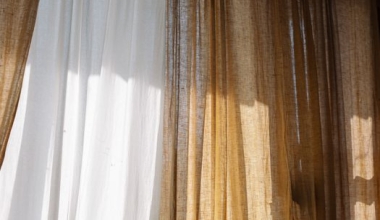
Sheer curtains are made from lightweight, translucent fabrics such as voile, lace, or polyester blends. They have an open weave that allows plenty of diffused light to pass through while offering minimal privacy. Typically, sheers are used as a decorative layer under heavier drapes or alone in spaces where privacy isn't a primary concern.
Key Features of Sheer Curtains
- High light transmission (80-95%)
- Soft, airy appearance
- Minimal privacy (visible silhouettes at night)
- Low UV blockage (around 30-50%)
- Limited thermal insulation
___PROTECTED_2___
What Are Light Filtering Curtains?
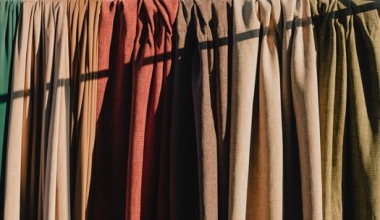
Light filtering curtains are semi-opaque fabrics designed to soften sunlight while reducing glare. They block a significant portion of UV rays and provide moderate privacy. Common materials include cotton-polyester blends, linen, or specialized acrylic weaves. These curtains strike a balance between openness and obstruction.
Key Features of Light Filtering Curtains
- Moderate light transmission (40-70%)
- Glare reduction
- Enhanced privacy (opaque during day, silhouettes at night)
- Higher UV blockage (70-90%)
- Better thermal insulation compared to sheers
Comparison Table: Sheer vs Light Filtering Curtains
| Feature | Sheer Curtains | Light Filtering Curtains |
|---|---|---|
| Light Control | Maximum natural light | Soft diffused light |
| Privacy (Day) | Low (see-through) | Moderate (blurred outlines) |
| Privacy (Night with interior lights) | Very low (visible inside) | Low (silhouettes visible) |
| UV Protection | Minimal (fades furnishings slowly) | Moderate-high (protects fabrics) |
| Energy Efficiency | Poor (no insulation) | Fair (reduces heat gain/loss) |
| Maintenance | Easy (hand wash or delicate cycle) | Requires gentle care; some dry clean |
| Cost | Inexpensive | Moderate |
| Best Use | Living rooms, dining areas, layering | Bedrooms, home offices, living spaces |
Functionality & Practical Applications
When to Choose Sheer Curtains
Sheers excel in spaces where you want to maximize daylight and create an open, breathable atmosphere. Ideal for:
- Living rooms with a view – preserve the scenic outlook while softening harsh sunlight.
- Dining areas – add elegance without making the room feel heavy.
- Layering beneath blackout curtains – combine sheers for daytime privacy and blackouts for night.
- Rental apartments – affordable and easy to install.
When to Choose Light Filtering Curtains
Light filtering curtains are perfect for rooms requiring reduced glare and moderate privacy without complete blackout. Best for:
- Bedrooms – block early morning light while still feeling airy.
- Home offices – reduce screen glare and eye strain.
- Nurseries – create a soothing environment with gentle light.
- Spaces facing neighbors – add privacy without sacrificing natural light.
Light Transmission & Glare Reduction
One of the most distinct differences is how they handle light. Sheer curtains transmit around 80-95% of available light, resulting in bright, sun-drenched rooms. However, they do little to reduce glare on electronic screens. Light filtering curtains transmit 40-70% of light, which softens bright spots and cuts glare significantly. Measurements in lux (light intensity) confirm that light filtering fabrics lower peak brightness by 50-70% compared to sheers.
For example, in a south-facing window, sheers might produce 1500 lux at midday, while light filtering curtains reduce this to 500-800 lux – more comfortable for prolonged reading or computer work.
Privacy & UV Protection
Privacy is a major deciding factor. Sheer curtains offer minimal privacy during the day; at night, with interior lights on, they become nearly transparent from outside. Light filtering curtains provide moderate daytime privacy – you cannot see details, only shadows. At night, they still show silhouettes but less clearly than sheers.
UV protection is critical for preventing fading of furniture and flooring. Sheer fabrics typically block only 30-50% of UV rays, whereas light filtering curtains block 70-90%, depending on the weave and color. Testing by curtain manufacturers shows that light filtering materials also reduce heat gain from solar radiation, making rooms more energy-efficient.
Energy Efficiency & Insulation
While neither type is as insulating as blackout or thermal curtains, there is a notable difference. Sheer curtains provide negligible thermal resistance (R-value close to 0). Light filtering curtains, especially those with a lining or thicker weave, can slightly reduce heat loss in winter and heat gain in summer. A light filtering polyester blend can offer an R-value of 0.5-1.0, which modestly helps with energy bills. However, for serious insulation, consider adding a blackout lining or using cellular shades.
Maintenance & Durability
Sheer curtains are generally easier to care for: machine wash on delicate and hang to dry. They are lightweight and dry quickly. Light filtering curtains may require more attention – some fabrics can be machine washed, but others (like linen blends) need dry cleaning. Their heavier weight also means they accumulate dust more visibly. Both benefit from regular vacuuming with a brush attachment to reduce dust buildup.
Durability-wise, sheers are prone to tearing if snagged due to their delicate weave. Light filtering curtains are more robust and withstand everyday wear better. However, constant sun exposure can fade both types over time, especially low-quality sheers.
Cost Considerations
Price varies by brand, size, and fabric quality. On average, sheer curtains are cheaper, ranging from $10-$30 per panel. Light filtering curtains cost $20-$60 per panel. Custom-made options increase cost. Considering longevity and functionality, light filtering curtains often offer better value for rooms where privacy and glare control matter.
Frequently Asked Questions
Can I use sheer curtains for privacy?
Only in low-light conditions or if combined with blinds. Sheers alone are not sufficient for privacy, especially at night.
Do light filtering curtains block all UV?
No, but they block most damaging UV rays (up to 90%). Add a UV-protective film for complete block.
Which is better for layering?
Sheers are often used as a base layer under heavier drapes. Light filtering curtains can also be layered but may make the window look bulky.
Can I use light filtering curtains in a dark room?
Yes, they still let in significant light, so the room will remain bright. For total darkness, choose blackout curtains.
Conclusion
Choosing between sheer and light filtering curtains depends on your priorities. If you value maximum natural light and an open ambiance, plus low cost, sheers are the way to go. If you need moderate privacy, glare reduction, and UV protection without sacrificing too much daylight, light filtering curtains are the better investment. Consider layering both options for flexible light control throughout the day.
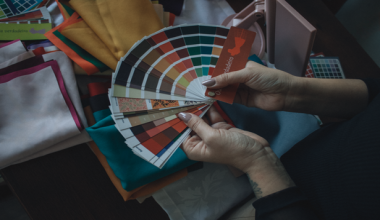
Remember to measure your windows accurately, check fabric specifications for UV blocking percentage, and always order swatches to see how they look in your lighting. Whichever you choose, both types can transform your space with beautiful, diffused light.