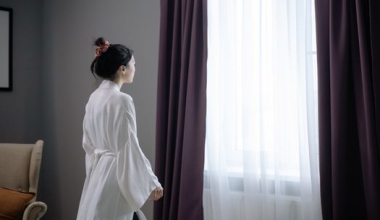
Velvet Curtains add a touch of luxury and warmth to any room, but their plush pile and delicate nature require a thoughtful maintenance routine. Unlike standard polyester or cotton drapes, velvet demands special attention to keep its rich texture and deep color looking its best. Whether you have silk-blend velvet or synthetic velvet, improper cleaning can lead to crushing, fading, or water stains. This comprehensive guide will walk you through every step of velvet curtain maintenance, from routine dusting to deep cleaning, so your curtains stay gorgeous for years to come.

Why Velvet Curtains Need Special Care
Velvet is a woven fabric with a dense, short pile that reflects light beautifully. The pile is created by additional threads that are cut to create a soft surface. This structure is both a blessing and a challenge. The pile can trap dust, attract pet hair, and is prone to crushing when pressed against hard surfaces. Water can disturb the pile and leave permanent marks, and heat can shrink or damage the fibers. Therefore, a gentle, informed approach is essential.
Before you start any cleaning, always check the manufacturer's label. Velvet curtains come in different fiber compositions: cotton, silk, rayon, polyester, or blends. Synthetic velvets are generally more durable and easier to clean, while natural velvets such as silk require professional care. Your care routine must adapt to the fiber type to avoid disaster.
___PROTECTED_1___
Daily and Weekly Maintenance: Dusting and Vacuuming
The most important velvet curtain maintenance step is regular dust removal. Dust particles can settle deep into the pile and, over time, make the fabric look dull and gray. Frequent gentle vacuuming prevents this buildup and reduces the need for heavy cleaning.
Vacuuming Your Velvet Curtains
Use the brush attachment of your vacuum cleaner to avoid damaging the pile. Set the suction to low or medium, and move the vacuum in the direction of the pile (usually downward). Do not press hard; let the bristles gently lift the dust. If your velvet curtains are fully lined, you can also vacuum the backside to remove any dust that has penetrated through. Aim to vacuum your curtains at least once a week, especially in high-traffic areas or if you have pets.
Using a Lint Roller or Fabric Brush
For quick touch-ups between vacuumings, a lint roller or a soft fabric brush works wonders. Use downward strokes to pick up hair, dust, and debris. Avoid circular brushing, which can tangle the pile and create a matted look. If you have a velvet-specific brush, even better.
___PROTECTED_2___
Spot Cleaning Stains and Spills
Accidents happen. The key to successful stain removal on velvet is to act fast and blot, never rub. Rubbing forces the stain deeper into the pile and can permanently crush the velvet.
Step-by-Step Spot Cleaning
- Blot the spill immediately with a clean, white, absorbent cloth or paper towel. Press down gently to absorb the liquid.
- If the stain remains, dampen a cloth with lukewarm water or a mild detergent solution (a few drops of baby shampoo or wool-safe detergent mixed in water).
- Test the solution on a hidden area first to ensure it doesn't cause color bleeding or water marks.
- Gently blot the stain from the outside inward, using a fresh section of the cloth as the stain transfers.
- Rinse the area by dabbing with a cloth dampened with plain water.
- Allow the area to air dry completely, then gently brush the pile with a soft brush to restore its texture.
What to Avoid When Spot Cleaning
Do not use hot water, strong detergents, bleach, or rubbing alcohol on velvet. These can strip the color and damage the fibers. Also steer clear of harsh stain removers that contain solvents, as they may dissolve the backing or glue used in some velvet constructions. If in doubt, consult a professional cleaner.
Washing Velvet Curtains: Hand vs. Machine
Velvet curtains are heavy and prone to water damage, so washing should be a last resort. However, there are times when they need a full refresh. The method depends on the fabric: always read the care label first. If it says "dry clean only," heed that warning. If machine washing is allowed, follow these guidelines.
Hand Washing Velvet
Hand washing is the safest technique for delicate velvet. Fill a bathtub or large basin with cool water and a small amount of mild detergent (pH-neutral is best). Submerge the curtains and gently swish them with your hands for a few minutes. Do not twist or wring. Rinse thoroughly with cool water until no soap remains. Gently press out excess water without wringing, then roll the curtains in a clean, dry towel to absorb moisture.
Machine Washing (If Allowed)
For modern synthetic velvets that are labeled as machine washable, use the gentle cycle with cold water and a mild detergent. Place the curtains in a mesh laundry bag to protect the pile. Never use a spin cycle's high speed, as the centrifugal force can crush the velvet. It's better to use the lowest spin setting or skip spinning altogether. Remove the curtains immediately after the cycle to reduce wrinkles.
When to Avoid Washing Entirely
Silk velvet, antique velvet, or curtains with heavy embellishments should never be immersed in water. Water can cause the fibers to swell, leading to irreversible damage. For these, professional dry cleaning is the only safe option. Similarly, if your velvet curtains have blackout lining, washing may separate the layers—so consult the manufacturer.
How to Dry Velvet Curtains Properly
Improper drying can ruin velvet curtains. Here's how to do it right:
- Never use a tumble dryer. Heat and tumbling will shrink, crush, and wrinkle velvet.
- After washing, lay the curtains flat on a clean, dry towel or hang them over a sturdy, non-scented drying rack. Avoid direct sunlight, which can fade the color.
- If hanging, use multiple hooks or clips to distribute weight and prevent stretching.
- Allow the curtains to air dry naturally in a well-ventilated room. This can take 24-48 hours.
- Once completely dry, fluff the pile by running a soft brush over the surface in one direction.
If you need to speed up drying, place a fan nearby to circulate air. Avoid using a hairdryer or heater—they can leave permanent water rings or distort the pile.
Ironing and Steaming Wrinkles
After washing, velvet curtains will almost certainly have wrinkles and creases. Traditional ironing directly on the pile is a recipe for disaster—it flattens the velvet and leaves shiny or crushed marks. Instead, use steam.
Using a Handheld Steamer
A handheld garment steamer is the best friend of velvet curtain owners. Hang the curtains on a rod and steam them while they're still slightly damp or even dry. Keep the steamer nozzle a few inches away from the fabric to avoid water droplets. Move the nozzle in a top-down motion, following the pile direction. The steam relaxes the fibers and lifts wrinkles without touching the surface. After steaming, brush gently with a velvet brush to revive the pile.
When to Use an Iron (Approach with Caution)
If you must use an iron, only do so on the back side (the lining) and use the lowest heat setting. Place a pressing cloth between the iron and the fabric. Never glide the iron directly over velvet, as the heat will flatten the pile permanently. For piles that are particularly stubborn, you can also use a sponge or a clean terry cloth towel under the iron to create a bit of cushioning—but this is best left to professionals.
Professional Cleaning Options
For all velvet curtains, especially those made of natural fibers or with delicate linings, professional cleaning is recommended every 1-2 years. Professional cleaners have specialized equipment and expertise to handle velvet without damaging it. They can also safely remove water stains, restructure crushed pile, and apply fabric protectants. When choosing a cleaner, look for one that specializes in drapes and offers velvet-specific care. Ask about their steam cleaning or powder cleaning methods—solvent-based dry cleaning is often safe, but the cleaner should test for colorfastness first.
Common Velvet Curtain Problems and Solutions
Even with the best care, you may encounter these common issues:
| Problem | Solution |
|---|---|
| Crushing or flattened pile | Steam the area and gently brush with a velvet brush while the fabric is warm and moist. |
| Water marks or rings | Dampen the entire area evenly and gently blot, then let it dry and brush to blend the pile. |
| Fading from sunlight | Install light-filtering shades or add a UV-protection lining to block direct rays. |
| Static cling and dust attraction | Use an anti-static fabric spray or a dryer sheet (if machine drying is allowed) to reduce static. |
| Mildew or odor | Check for moisture buildup near windows. Mix equal parts water and white vinegar, blot the affected area, and let it air dry in a breezy spot. |
If a problem persists, consult a professional before attempting any harsh DIY fixes.
Seasonal Care and Storage
If you rotate curtains seasonally or want to preserve them long-term, proper storage is crucial. Fabric can attract insects, dust, and mildew, so preparation is key.
- Before storing, ensure curtains are clean and completely dry.
- Brush the velvet to lift the pile and remove loose dust.
- Fold or roll the curtains loosely; do not press them flat, as creases will set. For large drapes, place them on a padded hanger and cover with a clean, breathable fabric bag.
- Store in a cool, dark, dry closet away from direct sunlight and moisture. Add cedar blocks or lavender sachets to deter moths without using chemically strong pesticides.
- Check on the stored curtains every couple of months to ensure no mold or pests have developed.
In humid climates, use a dehumidifier in the storage area to prevent moisture damage. Never store velvet in plastic bags, as they trap moisture and cause mildew.
Final Thoughts: Keeping Your Velvet Curtains Luxurious
Velvet curtains are a worthwhile investment that can elevate any interior. With a consistent maintenance routine—regular vacuuming, careful spot cleaning, and professional deep cleans when needed—you can extend their lifespan and keep them looking plush and vibrant. Always prioritize gentle methods over aggressive chemicals, and when in doubt, consult a professional. By following the velvet curtain maintenance guidelines in this article, your curtains will continue to add elegance and comfort to your home for decades.