Choosing between printed and dyed curtain fabrics can be confusing. Both offer distinct aesthetics and performance characteristics. This comprehensive guide explores their differences, helping you make an informed decision for your space—whether you need blackout, sheer, velvet, or acoustic curtains.
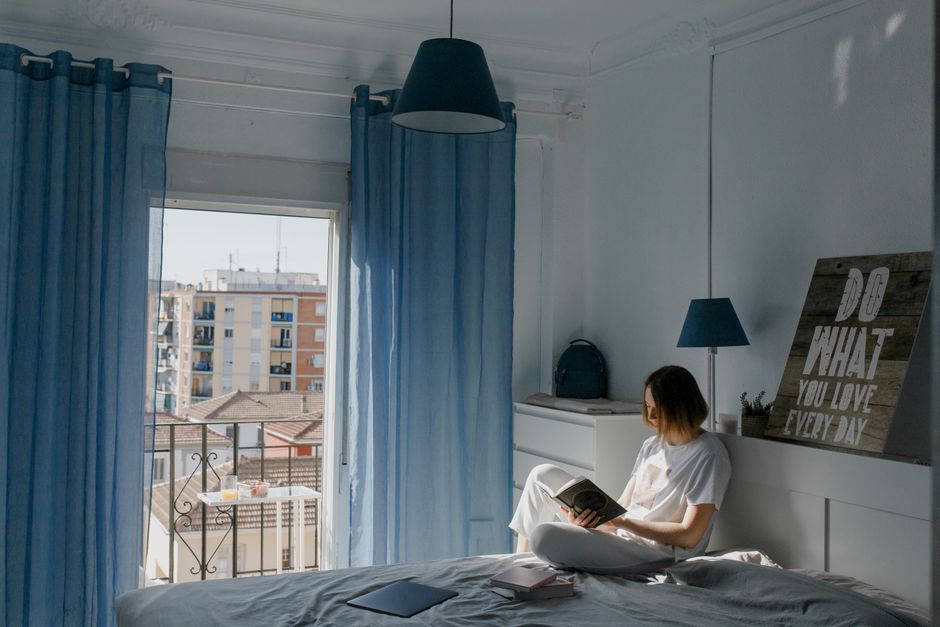
What Are Dyed Curtain Fabrics?
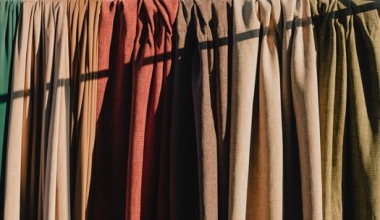
Dyed fabrics receive color through a chemical or natural dyeing process. The two main methods are piece-dyed (fabric dyed after weaving) and yarn-dyed (yarn dyed before weaving).
Piece-Dyed Fabrics
Fabric is immersed in dye baths, producing uniform color. Common in solid-color curtains, they offer cost-effectiveness but may show unevenness in heavy fabrics.
Yarn-Dyed Fabrics
Individual yarns are dyed, then woven. Results in higher colorfastness and patterned effects like stripes or plaids. Superior for intricate designs but more expensive.
Pros: Color penetration throughout fibers; excellent lightfastness; consistent shade; good for blackout linings. Cons: Limited to solid or yarn-dyed patterns; may fade over time with direct sunlight.
___PROTECTED_1___
What Are Printed Curtain Fabrics?
Printing applies color to the fabric surface using techniques like digital printing, screen printing, or block printing.
Digital Printing
Uses inkjet technology for high-resolution, photographic designs. Ideal for custom patterns and small runs. Low environmental impact but may have lower wash fastness.
Screen Printing
Uses screens for each color layer. Durable and cost-effective for large quantities, but less detailed than digital.
Pros: Unlimited design possibilities; cost-effective for complex patterns; suitable for trendy looks. Cons: Color sits on surface (may wear off); limited breathability; not ideal for heavy blackout or acoustic fabrics.
___PROTECTED_2___
Key Differences Between Printed and Dyed Curtains
| Aspect | Dyed Fabrics | Printed Fabrics |
|---|---|---|
| Color Penetration | Deep, through the fiber | Surface only |
| Durability | High (color inside fiber) | Moderate (may rub off) |
| Design Complexity | Solid or yarn-dyed patterns | Infinite (photos, gradients) |
| Cost | Higher for yarn-dye; lower for piece-dye | Low for digital; moderate for screen |
| Lightfastness | Excellent (especially reactively dyed) | Fair to good (UV inks) |
| Fabric Types | All: blackout, sheer, velvet, acoustic | Best on smooth surfaces; limited for heavy textiles |
| Care | Machine washable if pre-shrunk | Usually requires gentle wash |
Which One Is Better for Blackout and Acoustic Curtains?
For blackout curtains, dyed fabrics are preferable because the dye penetrates the yarn, blocking light more effectively. Printed blackout fabrics often require a thick coating that may crack. However, screen-printed blackout linings exist but are less common.
For acoustic curtains (weighted, sound-absorbing), dyed heavy textiles like velvet or suede perform best. Printing on such dense fabrics can affect acoustic properties due to added layers. Stick with dyed options for consistent mass.
For sheer curtains, printing is popular (e.g., digital prints on linen-like sheers) for decorative effects. Dyed sheers work well for solid tints. Velvet curtains are usually dyed for luster; printing may dull the pile.
Care and Maintenance Differences
Dyed fabrics: Generally more resilient. Wash in cold water, avoid bleach. Yarn-dyed fabrics are colorfast but may fade over years in direct sun. Piece-dyed can bleed initially—wash separately.
Printed fabrics: Prints may fade or crack with frequent washing. Use mild detergent, avoid scrubbing. Screened prints are more durable than digital. Always check care labels.
- Tip: For printed curtains, consider dry cleaning to extend life.
- Tip: Dyed blackout linings can be professionally laundered.
Industry Application Cases
Hospitality: Hotels often choose dyed blackout curtains for longevity and consistent color across large orders. Printed designs are used in themed areas where custom art is desired.
Residential: Homeowners may mix: dyed blackout in bedrooms, printed sheers in living rooms for personality.
Theater: Velvet drapes are always dyed for rich opacity and sound absorption. Printing would ruin the acoustic effect.
Retail: Printed curtains are popular for seasonal displays; dyed for permanent installations.
Buying Guide: How to Choose
Consider the Fabric
For blackout and acoustic needs, choose dyed. For sheer patterns, printed works well.
Design Preferences
Want a unique mural? Printed digital custom. Prefer elegant simplicity? Dyed solid or yarn-dyed stripes.
Budget
Piece-dyed is most affordable; digital prints for small orders are cost-effective; yarn-dyed and screen-printed for bulk.
Light and Privacy
Dyed fabrics offer better light blockage. Printed curtains may require a lining.
Maintenance
If you prefer machine wash, choose dyed or printed with high wash fastness ratings.
In summary, your choice depends on application. For durability and performance, go dyed. For artistic expression, printed delivers. Many curtains combine both—e.g., a printed sheer over a dyed blackout. Assess your priorities, and you'll find the perfect match.