Introduction
Choosing the right curtain fabric can transform a room, affecting everything from light control to insulation. Two primary fabric construction methods—woven and knitted—offer distinct advantages and drawbacks. This guide explores the structural differences, performance characteristics, and practical considerations to help you decide which type suits your needs.
___PROTECTED_1___
The Fundamental Difference: Structure and Construction
Woven fabrics are created by interlacing two sets of yarns (warp and weft) at right angles, resulting in a stable, structured material. Knitted fabrics, on the other hand, are formed by interlocking loops of a single yarn, giving them stretch and flexibility. This core difference influences all other properties:
| Feature | Woven | Knitted |
|---|---|---|
| Construction | Interlacing warp and weft | Interlocking loops |
| Stretch | Minimal (bias stretch only) | Significant, especially horizontally |
| Drape | Crisp, structured | Soft, fluid |
| Durability | High, less prone to sagging | Moderate, may sag over time |
| Wrinkle resistance | Low, wrinkles easily | High, resists creases |
___PROTECTED_2___
Key Performance Characteristics: Which is Better for Curtains?
Light Blocking
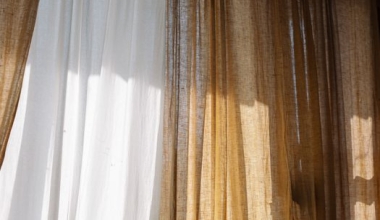
Woven fabrics, especially those with a tight weave or special coating (like blackout lining), excel at blocking light. The dense structure minimizes light penetration. Knitted fabrics, due to their open loop structure, naturally let more light through, though some can be coated or lined for blackout purposes.
Insulation
Both can provide thermal insulation, but woven fabrics are generally better. The tight weave traps air, reducing heat transfer. Knitted fabrics are less effective because the loops create more air channels, though thicker knits can offer decent insulation.
Acoustic Properties
Woven curtains, particularly heavy drapes, absorb sound better due to their density. Acoustic curtain fabrics are often woven with specialized yarns. Knitted fabrics have some sound absorption but are less effective for noise reduction.
Drape & Aesthetics
Knitted fabrics offer a softer, more fluid drape that creates elegant folds. Woven fabrics have a stiffer feel, producing sharper pleats. For formal spaces, woven may be preferred; for casual or contemporary rooms, knitted often looks better.
Durability & Care
Woven curtains are more durable and retain their shape over time. They are less likely to snag or pill but can fray at edges. Knitted fabrics are more prone to pilling and stretching, but they are often easier to care for—many are machine washable and wrinkle-resistant.
Woven Curtain Fabrics: Pros and Cons
Pros
- Excellent light control and blackout options
- Superior thermal and acoustic insulation
- Maintain shape and structure over time
- Wide variety of weaves (satin, twill, jacquard)
Cons
- Limited stretch, may not fit perfectly on oddly shaped windows
- Prone to wrinkling, requires ironing
- Edges may fray if not finished properly
Knitted Curtain Fabrics: Pros and Cons
Pros
- Soft, fluid drape with natural wrinkles resistance
- Stretchy, easy to install on various window sizes
- Often machine washable and low maintenance
- Good for casual, relaxed interior styles
Cons
- Less effective for light blocking (unless lined)
- May sag or lose shape over time
- Lower durability, can pill or snag
Practical Tips for Choosing Between Woven and Knitted
Consider the room's purpose: For bedrooms and media rooms where light control is critical, woven fabrics with blackout lining are ideal. For living rooms or dining areas where elegance and soft folds matter, knitted fabrics (like velvet knits) can add warmth. If you have irregular windows, knitted curtains are easier to adjust. For high-traffic commercial spaces, durability of woven fabrics may be worth the higher cost.
Application Cases: When to Choose Woven vs Knitted
- Residential Living Room: Woven linen blends for a crisp, classic look. Knitted chenille for a cozy feel.
- Bedroom: Woven blackout fabrics for total darkness. Knitted thermal curtains for moderate light reduction.
- Commercial Office: Woven fire-retardant fabrics for safety and durability. Knitted not recommended due to stretching.
- Hotel Lobby: Woven jacquard for luxury appearance. Knitted for modern, relaxed vibe.
Care and Maintenance Differences
Woven curtains often require dry cleaning or careful machine washing on delicate cycle, and ironing to remove wrinkles. Knitted curtains are generally machine washable on gentle cycle and can be air dried without ironing. Always check the label, but knitted fabrics are more forgiving.
Conclusion
Both woven and knitted curtain fabrics have their place. Woven offers durability, light control, and insulation, making it ideal for functional spaces. Knitted provides softness, drape, and convenience, perfect for casual settings. Your choice should balance performance needs with aesthetic preferences and maintenance expectations.