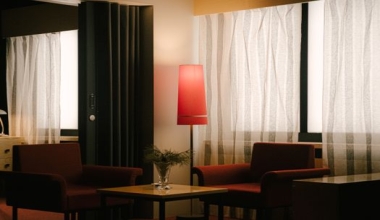
When it comes to window treatments, the choice between double layer and single layer curtains can significantly impact your room's ambiance, functionality, and energy efficiency. Both options have distinct advantages, and understanding their differences is crucial for making an informed decision. This guide delves into the characteristics, benefits, and ideal use cases of each, helping you select the perfect curtain system for your space.
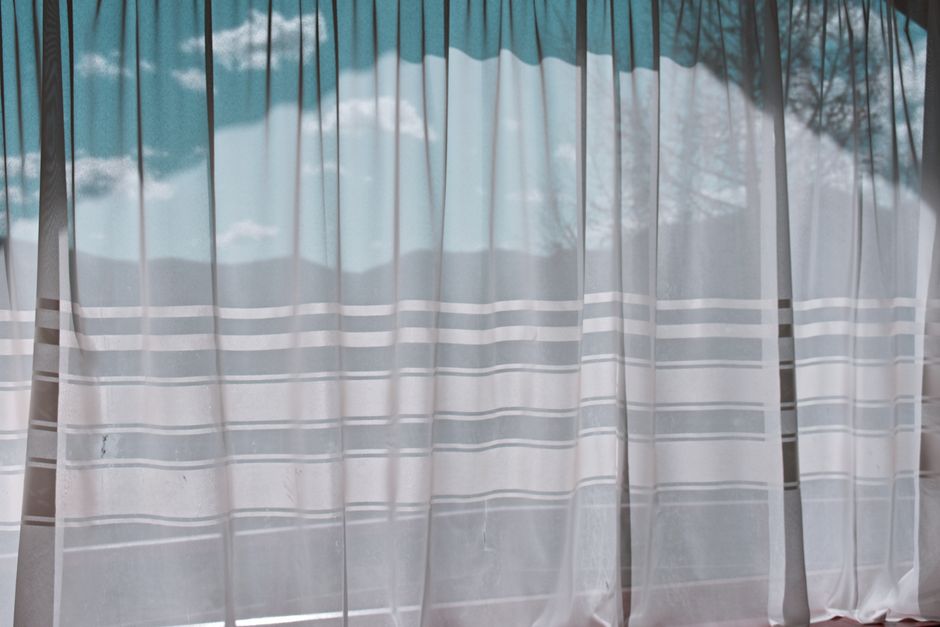
Understanding Single Layer Curtains
Single layer curtains consist of one fabric panel that serves as both the decorative and functional element. They are simple, cost-effective, and easy to install. Common fabrics include blackout, sheer, velvet, and acoustic materials. Single layer blackout curtains block light effectively, while sheer options allow soft light diffusion. Velvet adds luxury and thermal insulation, and acoustic curtains dampen sound. The key advantage is simplicity: one panel, one rod, and minimal hardware.
Pros of Single Layer Curtains
- Cost-Effective: Lower upfront cost for fabric and hardware.
- Easy Maintenance: Less fabric to clean and handle.
- Space-Saving: Ideal for small windows or tight spaces.
- Quick Installation: Fewer components mean simpler setup.
Cons of Single Layer Curtains
- Limited Functionality: Cannot provide both light control and privacy simultaneously.
- Less Versatility: One fabric must serve all purposes, which may compromise aesthetics or performance.
- Lower Energy Efficiency: Single layer may not insulate as effectively as multiple layers.
___PROTECTED_1___
Understanding Double Layer Curtains
Double layer curtains (also known as double rod or layered curtains) use two separate panels – typically a sheer or lightweight fabric behind a heavier drape like velvet or blackout material. This system allows for versatile light control, privacy, and thermal management. The sheer layer filters light during the day, while the outer layer provides darkness and insulation at night. Acoustic curtains can be combined with blackout for both sound and light control.
Pros of Double Layer Curtains
- Enhanced Control: Adjust each layer independently for light, privacy, and temperature.
- Improved Insulation: Air gap between layers adds thermal resistance and sound dampening.
- Aesthetic Depth: Creates a rich, layered look that adds dimension to windows.
- Increased Durability: Outer layer protects inner layer from sun damage.
Cons of Double Layer Curtains
- Higher Cost: More fabric and hardware required (double rod or track).
- Complex Installation: Additional rods or brackets may be needed.
- Heavier & Bulkier: More material means more care in hanging and cleaning.
___PROTECTED_2___
Key Differences Between Double Layer and Single Layer Curtains
| Aspect | Single Layer | Double Layer |
|---|---|---|
| Light Control | One setting (full block or full sheer) | Gradient options from sheer to blackout |
| Privacy | Either see-through or opaque | Daytime privacy with sheer layer |
| Insulation | Minimal (adds thermal layer only if fabric is thick) | Better due to air gap and multiple fabrics |
| Acoustic Damping | Depends on fabric weight | Superior when combining acoustic and heavy drapes |
| Cost | Low to moderate | Moderate to high |
| Maintenance | Simple | More complex (two fabrics, different care) |
Applications and Use Cases
When to Choose Single Layer Curtains
- Small Budget or Temporary Setup: Single layer is affordable and easy to change.
- Minimalist Decor: Clean lines without excess fabric.
- Utility Rooms: Basements, laundry rooms, or garages where full light control isn't needed.
- Sheer-Only Desired: If you only want soft light diffusion with no need for blackout.
When to Choose Double Layer Curtains
- Bedrooms & Media Rooms: Need full blackout at night and soft light during day.
- Living Rooms: Want versatility for entertaining (sheer) and privacy (drape).
- Large Windows: Layering adds visual weight and insulates better.
- Acoustic Applications: Combine acoustic sheer with velvet or blackout for maximum sound dampening.
- Energy Efficiency: Reduce heating/cooling costs by adding an extra layer.
Practical Tips for Choosing
- Measure Accurately: For double layers, ensure rod length accommodates both panels without crowding.
- Fabric Pairing: Choose contrasting or complementary textures. For example, velvet outer with a soft polyester sheer.
- Hardware: Use a double rod or a track system with separate channels for each layer.
- Layering Order: Typically sheer on the rod closest to the window, heavy drape on outer rod. Reverse if desired for night-time aesthetic.
- Hooks vs. Rings: For easy sliding, use rings on a rod; for a more tailored look, use pinch pleats on a track.
Care and Maintenance
Proper care extends the life of your curtains. For single layer curtains, follow the specific fabric care instructions. Blackout coatings may require gentle washing or dry cleaning. Sheer fabrics are often delicate and best hand-washed. Velvet should be vacuumed and professionally cleaned. Acoustic curtains frequently have special linings; avoid harsh detergents.
For double layers, treat each fabric separately. Remove inner sheers more often for washing, as they collect dust. Outer drapes can be cleaned less frequently. Use the same cleaning method consistently to avoid color fading or shrinkage differences. Store extra sets in a cool, dry place to prevent mildew.
Industry Application Cases
Hospitality Industry
Hotels often use double layer curtains to provide guests with control over light and privacy. A typical setup includes a blackout layer for night sleep and a sheer layer for daytime elegance. This enhances guest experience and reduces energy costs. In lobby areas, single layer sheers may be used for a light, airy feel.
Healthcare Facilities
Hospitals require easy-to-clean, hygienic curtains. Single layer cubicle curtains are common in patient rooms, often made from antimicrobial fabrics. However, for windows, double layers with a blackout inner help patients rest and a sheer outer maintains viewpoints. Acoustic curtains are used in waiting areas to reduce noise.
Office Environments
Modern offices use double layer curtains to control glare on computer screens. Sheer layers diffuse sunlight, while blackout layers can be drawn for presentations. Single layer acoustic curtains may be used in open-plan areas to absorb sound and reduce reverberation.
Residential Theaters
Home theaters demand total blackout and sound control. Double layer curtains with an acoustic inner (e.g., velvet with mass-loaded vinyl) and a decorative outer are ideal. Single layer blackout curtains may suffice for less critical rooms.
Conclusion
Choosing between double layer and single layer curtains depends on your specific needs for light control, privacy, insulation, and aesthetics. Single layer offers simplicity and lower cost, while double layer provides versatility and enhanced performance. For most living spaces, double layers offer the best balance of functionality and style. However, for cost-conscious projects or minimalist designs, high-quality single layer curtains can still deliver excellent results. Consider your fabric choices carefully – blackout, sheer, velvet, or acoustic – and match them to the appropriate layering system. Ultimately, the right curtain system transforms a room from ordinary to extraordinary.