When it comes to choosing curtains, the fabric blend plays a crucial role in determining aesthetics, functionality, and longevity. Two popular options are linen blend and polyester blend curtains. Each offers distinct advantages, and understanding their differences can help you make an informed decision for your home or commercial space. This comprehensive guide compares linen blend vs polyester blend curtains across key factors such as appearance, durability, maintenance, cost, and specific applications like blackout, sheer, velvet, and acoustic curtains.

What Are Linen Blend Curtains?
Linen blend curtains typically combine natural linen fibers with synthetic materials like polyester or rayon. The blend usually contains 40-60% linen, with the remainder being synthetic. This combination retains the desirable characteristics of linen—such as a textured, organic look and breathability—while improving durability, wrinkle resistance, and ease of care. Linen blends are often used for their elegant, casual appearance and are popular in living rooms, bedrooms, and spaces seeking a natural aesthetic.
___PROTECTED_1___
What Are Polyester Blend Curtains?
Polyester blend curtains are made primarily from polyester fibers, often combined with other synthetics or natural fibers like cotton. Polyester is a synthetic polymer known for its strength, wrinkle resistance, and color retention. Blends may include materials like cotton or rayon to enhance softness or drape. Polyester blends are widely used for blackout, sheer, velvet, and acoustic curtains due to their versatility and performance. They offer a wide range of textures and finishes, from smooth to textured, and are often more affordable than natural fiber alternatives.
___PROTECTED_2___
Key Differences Between Linen Blend and Polyester Blend Curtains
| Factor | Linen Blend | Polyester Blend |
|---|---|---|
| Appearance | Natural, textured, slightly wrinkled look; soft, matte finish | Smooth, crisp, consistent; available in high gloss to matte |
| Durability | Good; moderate resistance to fraying; may weaken with prolonged sun exposure | Excellent; strong fibers resist stretching, tearing, and sun damage |
| Wrinkle Resistance | Moderate; blends with synthetic improve but still prone to wrinkles | High; holds shape well; minimal wrinkles after washing |
| Breathability | High; allows air flow, good for humid climates | Low; less breathable, can trap heat |
| Light Blocking (Blackout) | Fair; typically requires lining or thicker weave for full blackout | Excellent; easily engineered for high blackout ratings |
| Sound Absorption (Acoustic) | Good; dense weave can absorb some sound | Very good; often used in acoustic panels due to density |
| Care & Maintenance | Dry clean or gentle wash; iron on low; may shrink | Machine washable; tumble dry low; low iron if needed |
| Cost | Moderate to high; premium natural fiber cost | Low to moderate; budget-friendly |
Performance in Blackout, Sheer, Velvet, and Acoustic Applications
Blackout Curtains
For blackout curtains, polyester blends dominate the market. The synthetic fibers can be tightly woven or coated with light-blocking layers, achieving up to 99% light blockage. Linen blends, while beautiful, typically require a separate blackout lining to achieve similar results. If maximum darkness is your priority, polyester blend is the clear winner.
Sheer Curtains
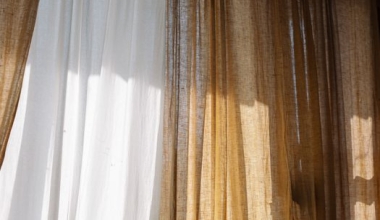
Sheer curtains benefit from the natural softness and drape of linen blends. Linen linen blend sheers provide an airy, elegant look with a subtle texture that diffuses light beautifully. Polyester sheers are also available but may appear more synthetic or shiny. For a high-end, organic feel, linen blend sheers are preferable.
Velvet Curtains
Velvet curtains are almost exclusively made from polyester or polyester blends because the pile construction requires synthetic fibers to maintain structure and luster. Linen cannot achieve the plush, dense pile of velvet. Polyester blend velvet is durable, colorfast, and excellent for formal settings and light blocking when paired with backing.
Acoustic Curtains
Acoustic curtains rely on dense, heavy fabrics to absorb sound. Polyester blends, often combined with thick weaves or multiple layers, are highly effective due to their mass and density. Linen blends, while moderately good, are generally lighter and less effective unless heavily lined. For soundproofing, polyester blends are the practical choice.
Durability and Maintenance Comparison
Polyester blends excel in durability. They resist fading, stretching, and wrinkles, making them ideal for high-traffic areas or sunny windows. They are also easy to clean—most can be machine washed and tumble dried. Linen blends, even with synthetic additions, require more delicate care: dry cleaning or gentle hand washing, and they may wrinkle easily. Over time, linen blends can become softer but may also show signs of wear like fraying at edges. Polyester blends maintain their appearance for years with minimal effort.
Cost and Value Considerations
Linen blend curtains are generally more expensive due to the natural fiber content. Prices vary based on linen percentage and weave. Polyester blends are cost-effective, often offering comparable looks at a fraction of the price. For budget-conscious buyers, polyester blends provide excellent value, especially for large windows or multiple panels. However, if you prioritize natural textures and eco-friendliness, the higher investment in linen blends may be justified.
When to Choose Linen Blend vs Polyester Blend
Choose Linen Blend if: You want a natural, relaxed aesthetic with breathable fabric; your space has moderate light control needs; you prefer sustainable materials; and you are willing to invest in proper care.
Choose Polyester Blend if: You need high-performance blackout, acoustic, or velvet curtains; you require easy maintenance and durability; you are on a tight budget; or you want consistent color and texture over time.
Practical Tips for Buying
- Check the fabric content label: For linen blends, a higher linen percentage means more natural texture but less durability. Aim for at least 40% linen to retain look.
- For blackout needs, look for polyester blends with a foam or acrylic coating. Ask for light blockage percentage.
- Test the drape: Hold the fabric up to see how it hangs. Linen blends have a softer, more fluid drape; polyester blends are stiffer.
- Consider lining: Even polyester sheers can be lined for insulation. Linen blends almost always benefit from lining for privacy and blackout.
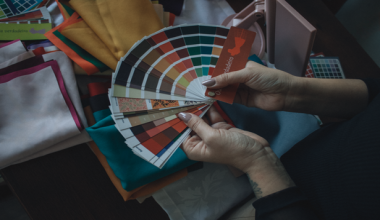
- Order samples: See colors and textures in your lighting before committing.
- Think about the room: Living rooms may favor linen blends for casual elegance; bedrooms and home theaters prefer polyester blends for blackout and acoustic performance.
Conclusion
Both linen blend and polyester blend curtains have their place in modern interiors. Linen blends offer timeless, natural beauty ideal for relaxed settings, while polyester blends deliver superior performance, durability, and affordability. By understanding the specific requirements of your space—be it blackout, sheer, velvet, or acoustic—you can confidently select the fabric that best meets your needs. Consider your priorities for appearance, maintenance, and functionality, and use this guide to make the right choice.