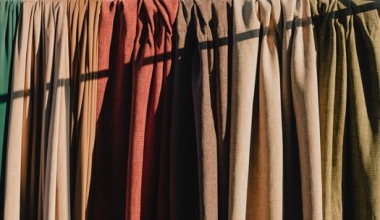
When it comes to choosing curtains, the fabric blend plays a crucial role in aesthetics, functionality, and longevity. Two popular options are cotton blend and linen blend fabrics. This guide dives deep into their characteristics, differences, and best use cases to help you make an informed decision.
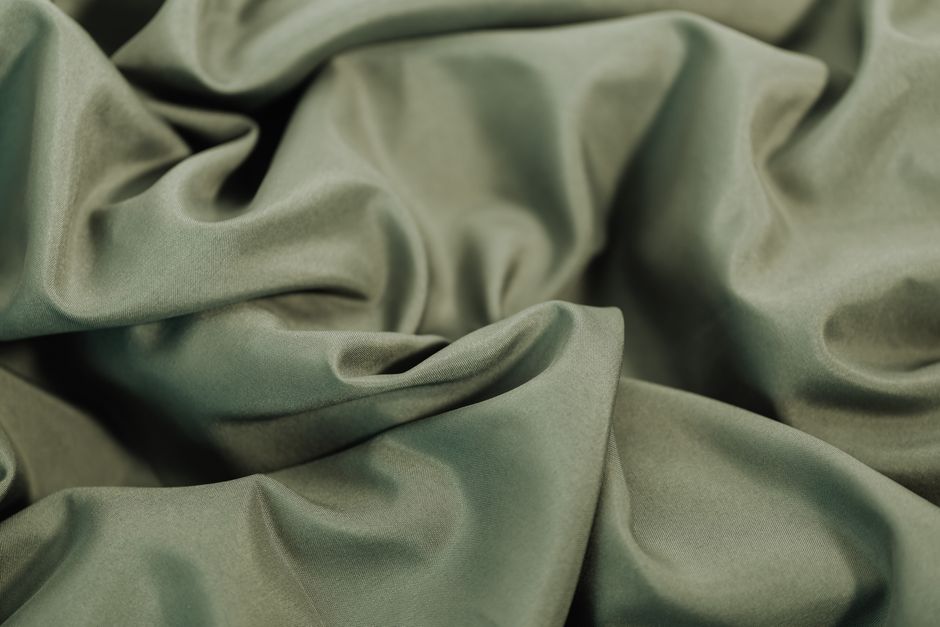
What is Cotton Blend Curtain Fabric?
Cotton blend curtains are made from a mix of natural cotton fibers and synthetic fibers like polyester, rayon, or nylon. This combination enhances the fabric's durability, wrinkle resistance, and color retention while maintaining the softness of cotton. Common blends include 50% cotton/50% polyester or 70% cotton/30% linen. Cotton blends are versatile and suitable for various curtain styles, from blackout to sheer.
___PROTECTED_1___
What is Linen Blend Curtain Fabric?
Linen blend curtains combine natural linen fibers with synthetics or other natural fibers. Typical blends are 55% linen/45% polyester or 60% linen/40% cotton. Linen offers a distinctive textured, slubby look and excellent breathability. However, pure linen wrinkles easily and can be costly. Blending improves durability, reduces shrinkage, and makes care easier while preserving linen's airy, organic aesthetic.
___PROTECTED_2___
Key Differences Between Cotton Blend and Linen Blend Curtains
| Factor | Cotton Blend | Linen Blend |
|---|---|---|
| Texture | Soft, smooth, and uniform | Textured, slubby, and slightly coarse |
| Light Control | Can be tight-weave for blackout; also available in sheer | Naturally diffuses light due to loose weave; blackout possible with lining |
| Durability | High resistance to wear, fading, and stretching | Good, but less resilient than cotton; may pill over time |
| Care & Maintenance | Machine washable, low iron, dry-clean option | Dry-clean recommended; may shrink if washed; wrinkles easily |
| Cost | Moderate; typically more affordable than linen blends | Higher due to natural linen cost; blends lower the price |
| Environmental Impact | Cotton requires water; synthetics non-biodegradable; some eco blends exist | Linen is more sustainable but often blended with synthetics |
Cotton Blend vs Linen Blend for Blackout Curtains
For blackout curtains, cotton blend is generally the superior choice. Its tighter weave blocks light more effectively, and the synthetic component helps the fabric hold a blackout coating or liner without sagging. Linen blend, on the other hand, has a more open weave that naturally lets light through. To achieve blackout, you'll need a dense weave or a blackout lining, which may compromise the fabric's breathability and texture. However, a linen blend with a dark color can still offer decent light filtration for bedrooms when paired with liners.
Cotton Blend vs Linen Blend for Sheer Curtains
Linen blend wins for sheer curtains — its natural drape, subtle texture, and ability to filter light softly create an airy, elegant look. Cotton blend sheers are also available but often appear more uniform and less organic. Linen blend sheers are perfect for living rooms or spaces where you want privacy with natural light.
Cotton Blend vs Linen Blend for Velvet Curtains
Velvet curtains are typically made from synthetic fibers like polyester, but cotton and linen blends can be used for velvet backing or as a base for flocked designs. Cotton blend provides a rich, soft hand that mimics traditional velvet, while linen blend offers a matte, textured finish. For formal settings, cotton blend velvet retains color depth better. Linen blend velvet is rarer but adds a rustic, artisanal appeal.
Cotton Blend vs Linen Blend for Acoustic Curtains
Acoustic curtains require dense, heavy fabrics to absorb sound. Cotton blend, especially when tightly woven and combined with polyester, offers better sound absorption due to its weight and thickness. Linen blend, being lighter and more porous, provides less acoustic insulation unless extra thick or layered. For noise reduction, a cotton blend with a high GSM (grams per square meter) is recommended. Linen blend can be part of a layered acoustic solution but may not perform as well on its own.
Practical Tips for Choosing Between Cotton and Linen Blends
- Consider the room: Bedrooms and home theaters benefit from cotton blend blackout; living rooms and dining areas shine with linen blend sheers.
- Check care labels: If you prefer low-maintenance, cotton blend is easier to wash. Linen blend often needs dry-cleaning.
- Feel the fabric: Visit a store to compare textures. Cotton blend feels soft; linen blend feels rustic.
- Look at light filters: For diffused natural light, choose linen blend. For total darkness, choose cotton blend with a blackout lining.
- Mind wrinkles: Linen blend wrinkles easily, adding character, but may not suit formal spaces. Cotton blend stays crisp.
- Think about allergies: Both are hypoallergenic, but synthetic blends in cotton might trap dust less than porous linen.
- Budget: Cotton blend offers good value. Linen blend is more expensive, but blends reduce the cost.
Conclusion
Both cotton blend and linen blend curtains have unique strengths. Cotton blend is the practical all-rounder: durable, easy to care for, and excellent for light control. Linen blend lends a natural, textured elegance that softens light and adds warmth. Your choice ultimately depends on your priorities — whether it's functionality, aesthetics, or maintenance. For a balanced home, consider using both: cotton blend for the bedroom and high-traffic areas, and linen blend for spaces where style takes precedence. Whatever you choose, selecting a high-quality blend will ensure your curtains look beautiful and perform well for years.