After spending time and effort washing your curtains, the last thing you want is to see them hanging with unsightly creases and wrinkles. Whether you own blackout, sheer, velvet, or acoustic curtains, knowing how to hang them properly after washing is essential to maintain a polished look. This comprehensive guide reveals expert techniques to achieve wrinkle-free curtains every time, saving you from repeated steaming and rehanging.
Why Curtains Wrinkle After Washing
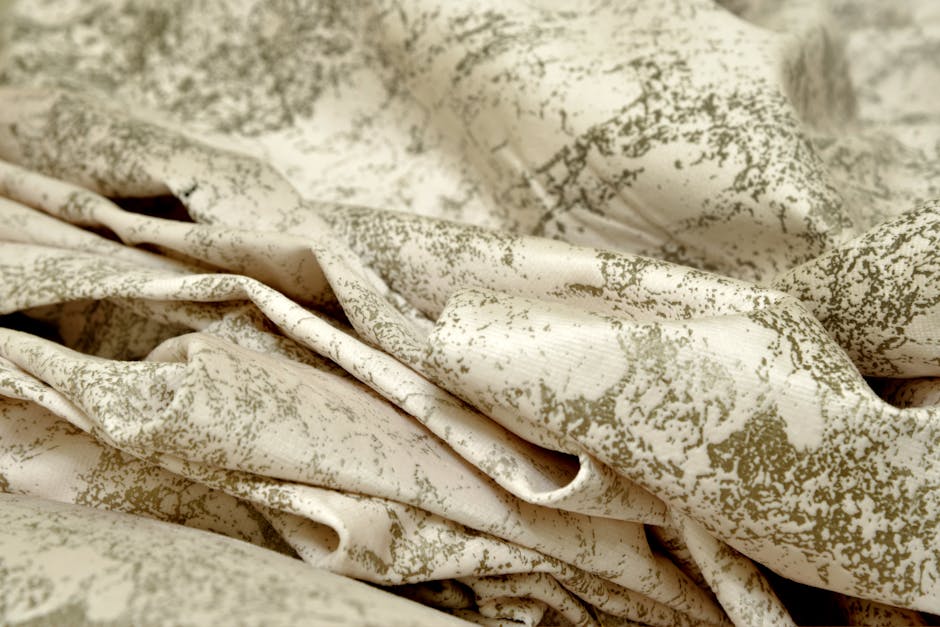
Wrinkles form when fabric fibers are disturbed during washing and then dried in a way that allows creases to set. Factors such as fabric type, spin speed, and drying method all contribute. Understanding the science behind wrinkles helps you choose the right approach for your specific curtain material.
___PROTECTED_1___
Preparing Your Curtains for a Wrinkle-Free Hang
Start before the washing machine even begins. Proper preparation reduces the chance of stubborn wrinkles.
- Sort by fabric: Separate blackout, sheer, velvet, and acoustic curtains. Each requires a different washing cycle.
- Shake out dust: Give curtains a good shake before washing to remove loose dirt that can embed and create texture.
- Check care labels: Always follow manufacturer instructions. Some blackout linings may require low tumble heat or air drying only.
- Use fabric softener sparingly: While it reduces static, excess softener can leave a residue that attracts wrinkles. For sheers, skip it entirely.
___PROTECTED_2___
The Best Drying Methods to Minimize Wrinkles
How you dry curtains is the most critical factor in preventing wrinkles. Choose a method based on fabric and available time.
Air Drying (Line Drying or Flat Drying)
Air drying is gentlest on fibers. Hang curtains immediately after the wash cycle ends. Drape them over a clean drying rack or line, smoothing out major folds with your hands. For heavy blackout or velvet curtains, avoid hangers that may leave marks. Instead, fold them loosely over a padded rod. Sheer curtains benefit from being hung slightly damp – the weight of the water pulls out wrinkles as they dry.
Tumble Drying with Care
If you use a dryer, choose a low heat setting and remove curtains while still slightly damp. This is ideal for acoustic curtains that are more resilient. Add a few clean tennis balls or dryer balls to break up fabric clumping. Never over-dry, as high heat sets wrinkles permanently. Once removed, shake vigorously and proceed to hanging immediately.
How to Hang Curtains Without Wrinkles – Step by Step
Now that your curtains are clean and properly dried, follow these steps for a wrinkle-free installation.
Use a Steamer or Iron Before Hanging
For stubborn creases, steam is your best friend. A handheld steamer works wonders on all curtain types. Test on an inconspicuous area first, especially for velvet and blackout linings. Ironing is possible for cotton or polyester blends, but use a pressing cloth and low heat. For sheers, a steam iron on the lowest setting is safe.
The "Damp Hang" Technique
This method works brilliantly for most fabrics. Remove curtains from the dryer or rinse cycle while they are still damp (not dripping). Immediately hang them on the rod. The natural weight and airflow will pull out wrinkles as they finish drying. Ensure the curtain header is even and adjust folds gently. This is especially effective for blackout curtains with thermal lining, as the lining retains moisture longer, allowing stretch.
Using Curtain Weights and Liners
Curtain weights sewn into the hem help keep fabric taut, reducing wrinkles. Alternatively, weighted magnetic drapery clips can be added to the bottom edge. For acoustic curtains, a separate liner can provide additional smoothness. The liner acts as a buffer, preventing heavy fabric from creasing against the rod.
Specific Tips for Different Fabric Types
Each curtain material has unique care requirements. Follow this quick reference table for best results.
| Fabric Type | Washing | Drying | Wrinkle Prevention |
|---|---|---|---|
| Blackout | Cold wash, gentle cycle | Line dry or tumble low, remove damp | Damp hang; steam if needed |
| Sheer | Hand wash or delicate, cool water | Air dry only; never wring | Hang immediately wet; gravity pulls wrinkles |
| Velvet | Dry clean preferred; if wash, cold gentle | Air dry flat, no dryer | Steam inside out; use padded hangers |
| Acoustic | Machine wash warm, sturdy cycle | Tumble dry low or line dry | Damp hang with weights; steam if necessary |
Common Mistakes to Avoid When Rehanging Curtains
- Skipping the shake: Before hanging, give curtains a firm shake to loosen fibers and reduce folding lines.
- Using too many curtain rings: Overcrowding on the rod causes bunching and new creases. Space rings evenly.
- Leaving curtains in the dryer overnight: Heat and pressure create deep-set wrinkles. Remove promptly.
- Forgetting to adjust the header: After hanging, gently fluff the pleats or rod pocket to distribute fabric evenly.
- Ignoring humidity: In damp climates, hang curtains when the room is dry. High moisture can cause fabrics to sag and wrinkle.
Final Pro Tips for a Smooth, Professional Look
For an extra polished finish, consider these advanced techniques:
- Use a fabric wrinkle-release spray (like Downy Wrinkle Releaser) on blackout and acoustic curtains after hanging.
- Install a tension rod behind the main curtain to hold fabric away from the window, reducing friction wrinkles.
- For velvet, brush the pile gently with a soft clothes brush while hanging to restore nap and remove crease marks.
- For sheers, starch lightly for added crispness – but test first for yellowing.
By following these methods, you can hang your curtains after washing with confidence, knowing they will look fresh and wrinkle-free. Regular maintenance and proper technique extend the life of your curtains and keep your space elegant.