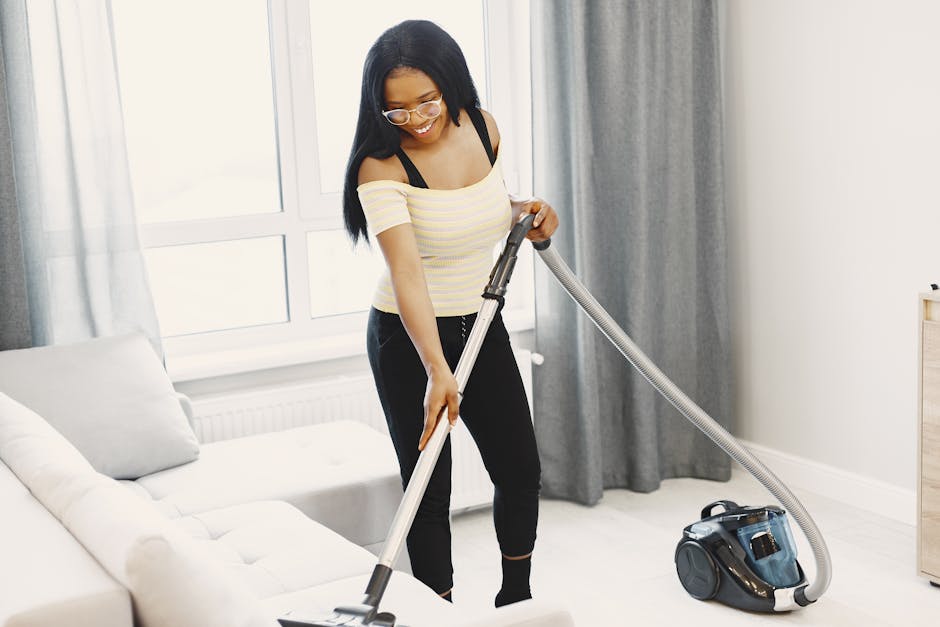
Why Specialized Curtain Vacuuming Matters in 2024
Curtains are more than just window dressings—they protect your privacy, control light, improve acoustics, and add style. But over time, dust, allergens, pollen, and even mold spores settle into the fabric, especially in heavy drapes like blackout, velvet, and acoustic curtains. Regular vacuuming extends their life, reduces allergy triggers, and keeps them looking fresh. However, using the wrong vacuum can damage delicate sheers or crush velvet pile. That’s why choosing the best vacuum cleaner for curtain cleaning in 2024 is crucial.
___PROTECTED_1___
What to Look for in a Curtain Vacuum
Suction Power Control
You need adjustable suction. Too strong can suck sheer curtains into the nozzle, causing tears. Too weak won't lift dust from thick velvet or acoustic panels. Look for a vacuum with at least three suction levels or an electronic slider.
Brush Roll Type
Motorized brush rolls are great for carpets but can snag threads on curtains. For curtain cleaning, a vacuum with a dedicated upholstery tool (non-motorized, soft bristles) or a brush roll that can be turned off is ideal. Some models come with a 'hard floor' mode that lifts the brush roll.
Attachments
- Crevice tool – for edges, pleats, and header tape.
- Dusting brush – soft bristles for gentle dusting of blackout and velvet.
- Upholstery nozzle – wide, flat, often with a felt strip to prevent scratching.
- Extension wand – to reach high curtain rods without a ladder (if cordless, consider battery life).
Weight and Maneuverability
If you frequently clean curtains, a lightweight stick or handheld vacuum is easier to lift and maneuver. Canister vacuums with a long hose also work well for high curtains.
Filtration System
HEPA filtration traps micro‑dust that can aggravate allergies. Since curtains collect airborne particles, a HEPA filter ensures they aren't released back into the room.
___PROTECTED_2___
Top 5 Vacuum Cleaners for Curtains in 2024
| Model | Best For | Key Feature | Price Range |
|---|---|---|---|
| Shark Rocket HV302 | Blackout & velvet | Integrated crevice tool, lightweight (7.9 lbs) | $250–$300 |
| Dyson V15 Detect | All types | Laser dust detection, adjustable suction, piezo sensor | $700–$800 |
| Miele Compact C2 Electro+ | Acoustic panels | Large canister, long hose, HEPA filter, quiet operation | $700–$900 |
| Bissell Pet Hair Eraser Lithium Ion | Sheer & lightweight drapes | Handheld, cordless, pet hair spiral brush can be turned off | $120–$150 |
| Oreck Elevate Command | High curtains | Ultra‑lightweight (8 lbs), stretch hose, no motorized brush | $250–$350 |
Vacuuming Different Curtain Fabrics
Blackout Curtains
Blackout curtains have a dense weave or a coating that blocks light. Vacuum with a soft brush attachment on low suction. Avoid scratching the coating; use gentle back‑and‑forth strokes. For triple‑woven blackout, both sides can be vacuumed.
Sheer Curtains
Sheers are delicate. Use a handheld vacuum with a brush nozzle at the lowest suction, or use the “no suction” method: attach the brush tool without turning on the vacuum and just sweep dust off. Alternatively, hold a stocking over the nozzle to reduce suction.
Velvet Curtains
Velvet has a nap that can be flattened. Vacuum in the direction of the pile only (usually top to bottom). Use a horsehair brush attachment or a soft dusting brush. Never use a rotating brush roll.
Acoustic Curtains
Acoustic curtains are often heavy, multi‑layer, and fiber‑filled. They trap sound but also dust. Use a canister vacuum with a wide upholstery tool. Tap the curtain gently while vacuuming to dislodge deep dust. HEPA filter recommended.
Step‑by‑Step Curtain Vacuuming Routine
- Remove hooks or rings if possible (some are permanent; work around them).
- Dust from top down – start at the header, then go down the fabric.
- Use crevice tool – clean pleats, folds, and the area behind the curtain rod.
- Flip the curtain – vacuum both sides (unless backing is delicate).
- Wipe dust from rod and window sill – prevents immediate re‑soiling.
- Repeat monthly – more often if you have pets or live in a dusty area.
Common Mistakes to Avoid
- Using a beater bar – can fray threads and ruin velvet pile.
- High suction on sheers – causes fabric to be sucked into the nozzle and tear.
- Vacuuming wet curtains – mold can grow in the vacuum bag.
- Ignoring the header – dust accumulates in the folds above the rod.
- Skipping attachments – a bare nozzle can pull threads.
Care Tips After Vacuuming
After vacuuming, use a lint roller to remove any remaining pet hair from velvet or blackout curtains. For sheer curtains, a gentle hand‑wash with mild detergent once a year is sufficient. For acoustic panels, professional cleaning every 2‑3 years is recommended to maintain sound absorption. Always check the care label before any cleaning method.
Final Thoughts
Investing in a vacuum with the right attachments and adjustable suction pays off in curtain longevity and indoor air quality. The best vacuum cleaner for Curtain Cleaning in 2024 is one that matches your fabric types, cleaning frequency, and budget. Whether you choose a lightweight stick or a powerful canister, regular, gentle vacuuming is the key to beautiful, functional curtains year after year.