Sheer curtains are a versatile and elegant window treatment that can transform any space. Unlike heavy blackout or velvet drapes, sheer fabrics allow natural light to filter through while providing a soft, airy aesthetic. Whether you want to create a breezy coastal vibe or add a layer of subtle privacy, understanding the types of sheer curtain fabrics and their creative uses will help you make an informed choice. This comprehensive guide explores the most popular sheer fabrics, how to use them beyond windows, and essential care tips.
What Are Sheer Curtain Fabrics?
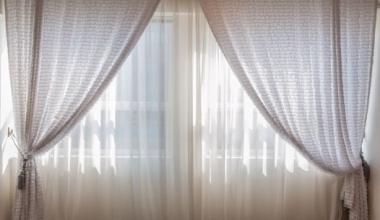
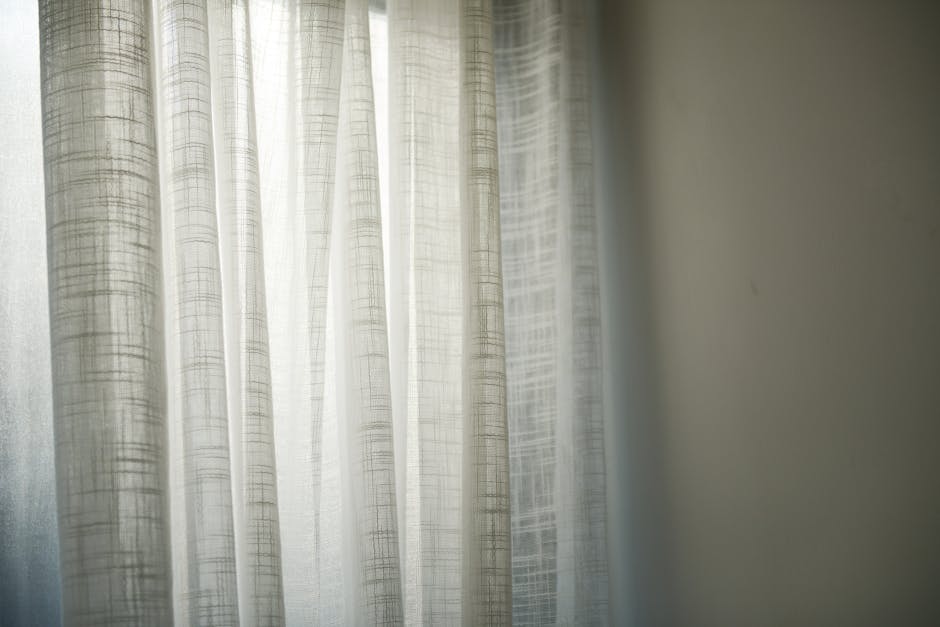
Sheer curtain fabrics are lightweight, semi-transparent textiles that diffuse light while maintaining a degree of privacy. They are typically woven with a low thread count or open weave, allowing air and light to pass through. Sheers come in various materials, each with unique drape, texture, and durability. Common characteristics include softness, translucency, and a flowing appearance. They are often used alone or layered with heavier curtains for a balanced look.
___PROTECTED_1___
Popular Types of Sheer Curtain Fabrics
Different sheer fabrics offer distinct benefits. Below is a detailed breakdown of the most common types.
1. Voile
Voile is a classic sheer fabric made from cotton, polyester, or a blend. It has a soft, crisp hand and a slightly textured weave. Voile is known for its excellent draping quality and subtle luster. It provides good light filtration and moderate privacy during the day. Ideal for casual and formal settings, voile is a top choice for living rooms and bedrooms.
2. Linen Sheer
Linen sheer curtains are made from flax fibers, giving them a natural, earthy texture. They have a relaxed, slightly wrinkled look that adds warmth. Linen sheers are highly breathable and durable, but they may wrinkle easily. They offer a more textured appearance than voile and are perfect for rustic, coastal, or Scandinavian interiors.
3. Cotton Sheer
Cotton sheers are lightweight and soft, with a matte finish. They are hypoallergenic and easy to wash. Cotton sheers are less sheer than voile but still allow ample light. They are a budget-friendly option and work well in kitchens and bathrooms where moisture resistance is less critical.
4. Polyester Sheer
Polyester sheer curtains are affordable, wrinkle-resistant, and durable. They mimic the look of natural fibers but are easier to maintain. Polyester sheers are often treated with UV protection to reduce fading. They are ideal for high-traffic areas or rental spaces due to their low cost and stain resistance.
5. Silk Sheer
Silk sheers are luxurious, with a smooth, shiny surface and elegant drape. They are naturally temperature-regulating and have a rich depth. However, silk is delicate and requires dry cleaning. It is best used in formal spaces like dining rooms or master bedrooms. Avoid direct sunlight to prevent fading.
6. Organza
Organza is a stiff, transparent fabric made from silk or synthetic fibers. It holds shape well and has a crisp finish. Organza is often used for decorative panels, wedding decorations, or as an overlay on heavier curtains. It provides minimal privacy but maximum light diffusion.
7. Chiffon
Chiffon is a soft, flowing sheer fabric with a slight stretch. It is lightweight and has a textured surface. Chiffon drapes beautifully and is often used in layered window treatments or for special occasions. It is less common for daily use due to delicacy.
| Fabric | Light Filtering | Privacy | Drape | Care |
|---|---|---|---|---|
| Voile | Good | Moderate | Excellent | Machine wash gentle |
| Linen | Moderate | Low-Moderate | Good | Dry clean or hand wash |
| Cotton | Moderate | Moderate | Fair | Machine wash warm |
| Polyester | Good | Moderate | Good | Machine wash cold |
| Silk | Excellent | Low | Excellent | Dry clean only |
| Organza | High | Very Low | Stiff | Hand wash or dry clean |
___PROTECTED_2___
Creative Uses for Sheer Curtain Fabrics
Sheer curtains are not limited to windows. Their lightweight nature opens up a world of creative possibilities.
Layering with Blackout Curtains
Combine sheer curtains with blackout drapes for a versatile window treatment. During the day, keep the sheers closed for soft light and privacy. At night, draw the blackout layer for complete darkness. This layered look adds depth and texture to any room.
Room Dividers
Hang sheer curtains from a ceiling track to create a flexible room divider. This works well in studio apartments or open-plan spaces. The translucent fabric maintains an open feel while defining separate areas like a sleeping nook or home office.
Canopy Beds
Drape sheer fabric over a canopy bed frame for a dreamy, romantic look. Use chiffon or voile to create a soft, flowing enclosure. This adds a touch of elegance and can make a bedroom feel like a sanctuary.
Wedding and Event Decor
Sheer curtains are a staple in event design. Use them as backdrops, table overlays, or aisle runners. Organza and chiffon are popular for their sheen and draping ability. They can transform a plain venue into a magical space.
Photography Backdrops
For photographers, sheer fabrics create diffused light and soft backgrounds. Use white or pastel sheers for portraits or product shots. The fabric can be hung from a stand or clipped to a backdrop frame.
Outdoor Pergola Shades
Outdoor-rated polyester sheers can be used to shade a pergola or patio. They filter harsh sunlight while allowing breezes. Opt for UV-resistant fabric to extend lifespan. Ensure the fabric is secured against wind.
Closet Doors and Wardrobe Covers
Replace solid closet doors with sheer curtains for a soft, accessible opening. This is ideal for walk-in closets or open shelving. The fabric adds color and pattern while keeping dust at bay.
Art Installations
Artists and interior designers often use sheer fabric to create ethereal installations. Hang layers of different colors or lengths to create movement and texture. This works especially well in galleries or large lobbies.
Practical Tips for Choosing and Caring for Sheer Curtains
To get the most out of your sheer curtains, keep these tips in mind.
- Consider the room's purpose: For bedrooms, choose voile or cotton for moderate privacy. For living areas, linen or polyester offer durability. For formal spaces, silk or organza add elegance.
- Measure carefully: Sheer curtains look best when they pool slightly on the floor or hover just above. Measure window height and add 4-6 inches for a graceful drape.
- Choose the right rod: Use a curtain rod that extends beyond the window frame to allow the fabric to stack back fully. A decorative rod can enhance the look.
- Washing instructions: Most sheer fabrics (except silk and organza) can be machine washed on a gentle cycle with cold water. Use a mild detergent and avoid bleach. Hang to dry or tumble dry low to prevent wrinkles.
- Steam or iron: Sheers can wrinkle easily. Use a handheld steamer to remove creases without damaging the fabric. If ironing, use a low heat setting and press on the wrong side.
- Prevent sun damage: Even sheer fabrics can fade over time. Consider lining with a UV-protective coating or rotating curtains periodically.
- Pet and child safety: Avoid long cords or loops if you have pets or young children. Use cordless shades or wrap cords securely.
Conclusion
Sheer curtain fabrics offer endless possibilities for both function and style. From classic voile to luxurious silk, each fabric brings its own character. By understanding the different types and exploring creative uses beyond windows, you can elevate your interior design while enjoying soft, diffused light. Remember to choose fabric based on your space’s needs and care for it properly to ensure longevity. Whether you’re layering for privacy, dividing a room, or planning an event, sheer curtains are a versatile and beautiful choice. Start experimenting with these ideas today and transform your home with the magic of sheer fabrics.