Sheer curtains are a popular choice for homeowners seeking a delicate balance between natural light and privacy. Unlike heavy blackout drapes, sheer fabrics allow sunlight to filter through while providing a degree of visual screening. This guide explores how to choose sheer curtains that optimize both privacy and light control, helping you create a comfortable, stylish living space.
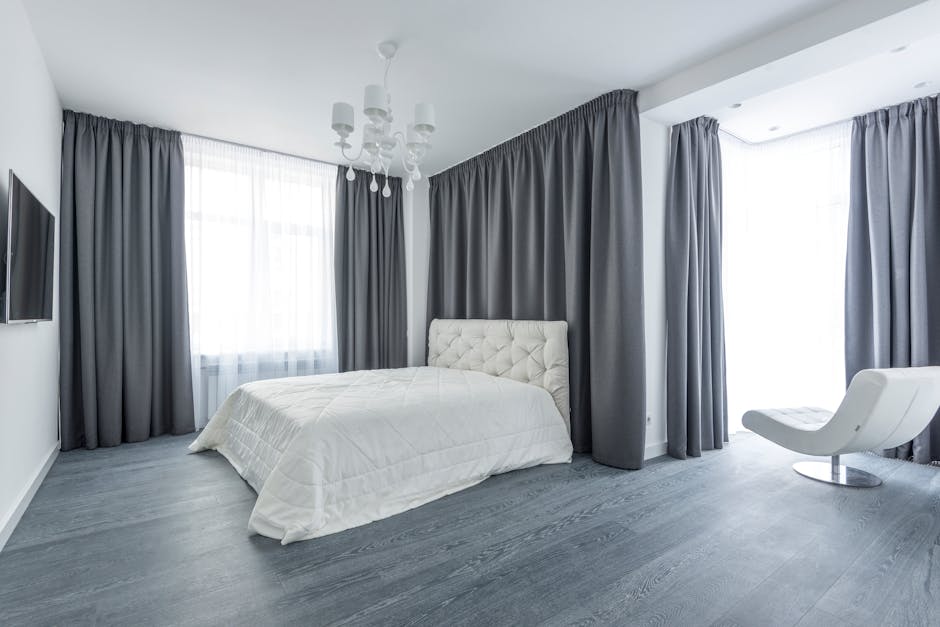
Understanding Sheer Curtains
Sheer curtains are lightweight, semi-transparent window coverings typically made from loosely woven fabrics. Their primary purpose is to soften incoming light, reduce glare, and add an airy aesthetic to a room. The level of privacy a sheer curtain offers depends on its weave density, fabric type, and how it is installed.
Common Types of Sheer Fabrics
- Polyester Sheers: Durable, wrinkle-resistant, and affordable. Often blended with other fibers for added texture.
- Linen Sheers: Natural, breathable fabric that offers a relaxed, organic look. Provides moderate privacy with a soft light diffusion.
- Cotton Sheers: Soft and breathable, but may require more maintenance. Offers a crisp, clean appearance.
- Silk Sheers: Luxurious and elegant, but delicate and often more expensive. Ideal for formal spaces.
- Voile: A fine, sheer cotton or cotton-blend fabric with a plain weave. Excellent for light diffusion and a dreamy aesthetic.
___PROTECTED_1___
Privacy Levels of Sheer Curtains
Privacy is a key concern when selecting window treatments. Sheer curtains provide varying degrees of privacy depending on the time of day and the lighting conditions.
Daytime Privacy
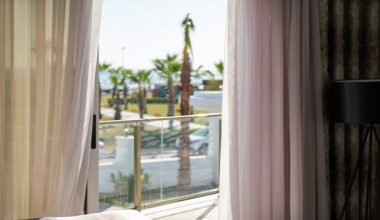
During daylight hours, sheer curtains offer significant privacy if the light outside is brighter than inside. The fabric acts as a one-way mirror: people outside see a soft, blurred image or reflection, while those inside enjoy an unobstructed view. To maximize daytime privacy, choose a denser sheer weave or opt for a white or light-colored fabric that reflects more light.
Nighttime Privacy
At night, the situation reverses. Interior lights make the room visible from outside, reducing privacy dramatically. For night-time privacy, consider layering sheers with blackout curtains or using sheer-to-rod systems that allow you to close heavier drapes. Alternatively, select sheers with a tighter weave or a slightly opaque finish.
Layering for Enhanced Privacy
Combining sheers with other window treatments is a popular solution. A double rod setup lets you hang sheers close to the glass and heavier curtains (blackout, velvet, or acoustic) on the outer rod. This provides flexible control over both light and privacy throughout the day.
___PROTECTED_2___
Light Control with Sheer Curtains
Sheers excel at diffusing harsh sunlight, reducing glare on screens, and creating a soft, ambient glow. However, they are not designed for complete blackout. Understanding how sheer fabrics interact with light will help you choose the right level of control.
Diffusion vs. Room Darkening
Diffusion is the primary function of sheers. The fabric scatters incoming light, eliminating harsh shadows and hot spots. This makes them ideal for living rooms, home offices, and kitchens where glare reduction is important. If you need room darkening for bedrooms or media rooms, pair sheers with blackout liners or layered drapes.
Fabric Color and Light Transmission
Lighter colors (white, ivory, pale gray) transmit more light while still diffusing it. Darker sheers absorb more light and provide better privacy but reduce the overall brightness. For a balance, consider medium-toned neutrals or semi-sheer fabrics with a higher thread count.
Weave Density and Openness
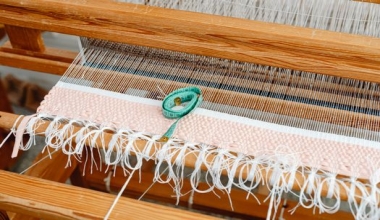
The openness factor (how much light passes through) varies by weave. A plain weave with tighter yarns allows less light penetration, whereas a leno weave (open, twisted yarns) offers more transparency. Manufacturers often provide a “privacy rating” or “light transmission percentage” – look for values between 30-60% for a moderate balance.
Factors to Consider When Choosing Sheer Curtains
Selecting the perfect sheer curtains involves evaluating your room’s specific needs. Use the table below to compare key factors.
| Factor | Consideration | Recommendation |
|---|---|---|
| Room Function | Living rooms, offices, bedrooms | For bedrooms, layer with blackout; for living areas, medium sheers suffice. |
| Window Orientation | South-facing vs north-facing | South windows get intense light; choose denser sheers. North windows benefit from lighter, more translucent fabrics. |
| Privacy Level | Proximity to neighbors, street | High-traffic areas: tighter weaves or double-layer sheers. |
| Aesthetic | Modern, traditional, boho | Linen for organic look; polyester for crisp, clean lines. |
| Maintenance | Washable, dry-clean only | Polyester and cotton are machine-washable; silk requires professional care. |
Top Sheer Fabrics for Privacy and Light Control
Based on performance and popularity, these fabrics offer the best combination of privacy and light management:
1. Linen-Look Polyester Blends
These mimic natural linen but are more durable and affordable. They offer moderate privacy (40-50% light blocking) and a soft, natural drape. Ideal for casual living spaces.
2. Cotton Voile
Voile is one of the most translucent sheers, perfect for maximum light diffusion. It provides minimal daytime privacy but is great for layering. Use with a liner for privacy.
3. Polyester Satin Sheers
A slightly heavier sheer with a subtle sheen. These block up to 60% of light and offer good daytime privacy. Suitable for modern interiors.
4. Silk Sheers
Luxurious and lightweight, silk sheers provide excellent light diffusion but less privacy. Best used in formal rooms or layered.
5. Microfiber Sheers
Dense weave that blocks up to 70% of light while remaining sheer. Excellent for privacy and light control, especially in urban settings.
Installation Tips for Optimal Performance
The way you install sheer curtains greatly affects their privacy and light control abilities.
- Mount Outside the Window Frame: Extend rods 15-20 cm beyond the window to cover more glass and reduce side light leaks.
- Use Double Rods: Hang sheers on the inner rod and blackout/velvet curtains on the outer for complete control.
- Choose Fullness: For a gathered look and better coverage, multiply the window width by 2 to 2.5 when selecting panel width.
- Consider Lining: Some sheer panels come with a built-in white lining that boosts privacy without adding weight.
- Use Weighted Hem: Sheers with a weighted hem hang straighter and reduce billowing.
Maintenance and Care
Proper care extends the life of your sheer curtains and maintains their appearance.
Washing Sheers
- Check the care label first. Most synthetic sheers are machine-washable in cold water on a gentle cycle.
- Use a mild detergent and avoid bleach.
- Dry on low heat or hang to dry. Avoid high heat to prevent shrinkage.
- Iron on a low setting if needed; some polyester sheers are wrinkle-resistant.
Cleaning Frequency
Vacuum sheers monthly using a brush attachment to remove dust. Wash every 3-6 months, depending on exposure to cooking fumes, smoke, or pets.
Conclusion
Choosing sheer curtains for privacy and light control requires balancing fabric type, weave density, and installation methods. While no sheer fabric offers complete privacy at night, pairing them with heavier drapes or selecting tighter-weave options can significantly enhance your comfort. By considering your room’s orientation, privacy needs, and aesthetic preferences, you can select sheer curtains that soften light, reduce glare, and add a touch of elegance—without sacrificing your sense of seclusion.