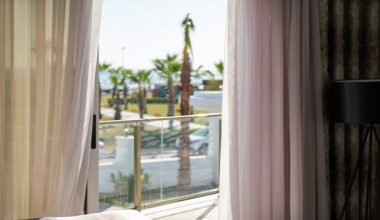
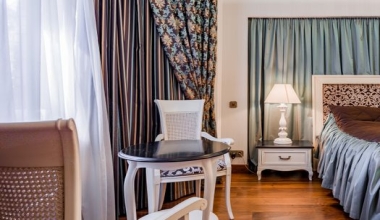
Selecting the right curtain fabric is a critical decision in hotel design. Beyond aesthetics, curtains control light, reduce noise, enhance privacy, and contribute to energy efficiency. With numerous options available, it can be challenging to choose. This guide explores five popular hotel curtain fabric types—blackout, sheer, velvet, acoustic, and thermal—detailing their benefits, best applications, and care requirements to help you make an informed choice.
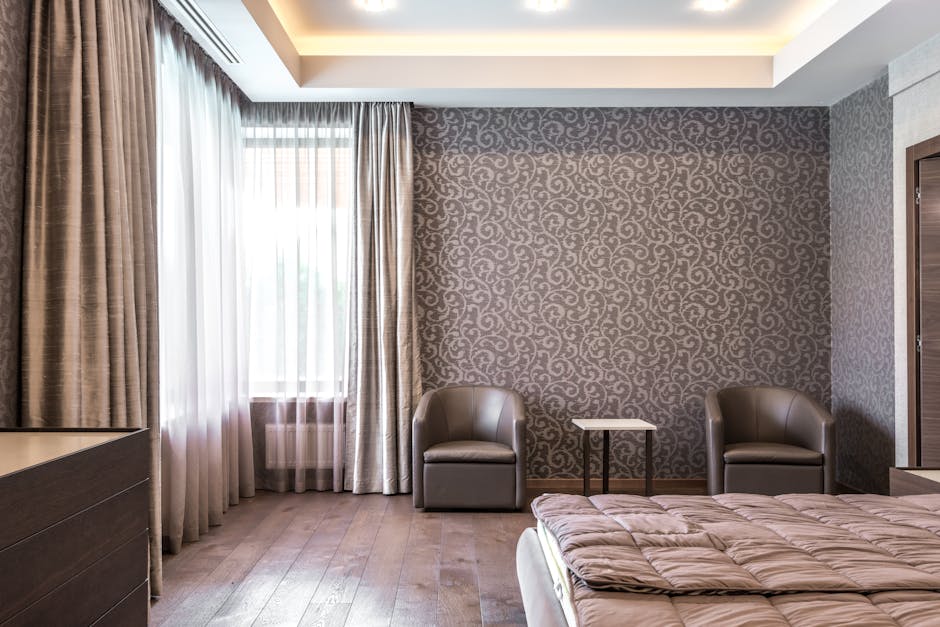
1. Blackout Curtain Fabrics
Blackout curtains are essential for hotel bedrooms to ensure complete darkness, promoting better sleep for guests. They are typically made from tightly woven polyester or cotton blends with a special opaque coating or interlining. The fabric blocks up to 99% of external light, which is crucial for shift workers or guests in urban areas with streetlights.
Key Benefits
- Light Blocking: Eliminates glare and light pollution.
- Energy Efficiency: Reduces heat gain in summer and heat loss in winter.
- Privacy: Dense material prevents see-through.
- Sound Dampening: Thick fabric reduces outside noise.
Practical Tips
Choose blackout curtains with a separate thermal lining for added insulation. Ensure the fabric meets fire safety standards (e.g., NFPA 701). For heavy curtains, use sturdy curtain rods with adequate brackets.
Care Tips
Most blackout curtains are dry clean only to preserve the coating. Some polyester blends can be machine washed on a gentle cycle and air dried, but always check the label. Avoid harsh detergents that can damage the blackout layer.
Industry Application
Ideal for guest rooms, especially those facing east or west where sunrise/sunset can disturb sleep. Also used in executive suites and blackout shades for meeting rooms.
___PROTECTED_1___
2. Sheer Curtain Fabrics
Sheer curtains are lightweight, translucent fabrics made from polyester, voile, or linen. They soften natural light, provide daytime privacy, and add an elegant, airy feel to spaces. In hotels, sheers are often paired with blackout or decorative drapes for a layered window treatment.
Key Benefits
- Light Diffusion: Softens harsh sunlight and reduces UV damage.
- Privacy: Obscures view during the day while maintaining brightness.
- Design Flexibility: Available in countless colors and patterns.
- Low Cost: Generally more affordable than heavier fabrics.
Practical Tips
Use sheers in lobbies, restaurants, and lounges where natural light is welcome but glare needs control. Combine with blackout drapes in guest rooms for dual functionality. Opt for flame-retardant sheers in commercial spaces.
Care Tips
Sheer fabrics are delicate. Hand wash with mild soap or use a mesh bag on a gentle machine cycle. Avoid wringing; hang to dry. Iron on low heat if needed. Regular dusting or gentle vacuuming with a brush attachment helps maintain appearance.
Industry Application
Common in atriums, ballroom pre-function areas, and beachfront hotels where natural ambiance is a selling point. Sheers also reduce glare on TV screens in rooms without heavy drapes.
___PROTECTED_2___
3. Velvet Curtain Fabrics
Velvet curtains exude luxury and sophistication, making them a favorite for high-end hotel rooms, suites, and public areas. Made from silk, cotton, or synthetic fibers like polyester, velvet has a dense pile that gives it a rich texture and excellent sound-absorbing properties.
Key Benefits
- Aesthetic Appeal: Adds depth, color, and opulence.
- Sound Absorption: Dense pile reduces echo and noise transmission.
- Insulation: Thick fabric helps regulate temperature.
- Durability: High-quality velvet lasts for years with proper care.
Practical Tips
Choose crushed or panne velvet for a more modern look; classic velvet for traditional decor. Ensure the fabric is treated to be fire-retardant. Use a lining to protect from sunlight and reduce fading.
Care Tips
Velvet requires professional dry cleaning. Avoid exposure to direct sunlight to prevent fading. Regularly vacuum with an upholstery attachment to remove dust. For minor marks, use a clean, dry cloth to blot (never rub).
Industry Application
Ideal for premium guest suites, presidential suites, and hotel theaters. Also used in restaurants and bars to create a warm, intimate atmosphere.
4. Acoustic Curtain Fabrics
Acoustic curtains are designed to reduce sound transmission and reverberation. Made from heavy-weight materials with multiple layers of dense fibers (often recycled cotton, fiberglass, or mineral wool), they are a practical solution for noisy environments.
Key Benefits
- Noise Reduction: Can block up to 50% of external noise and reduce echo.
- Comfort: Creates a quieter, more restful environment.
- Thermal Insulation: Thick fabric also helps with temperature control.
- Versatility: Available in various colors and finishes.
Practical Tips
Look for fabrics with a high NRC (Noise Reduction Coefficient) rating—0.5 or above is good. Acoustic curtains need to reach the floor and extend beyond the window for maximum effectiveness. Combine with blackout backing for dual benefits.
Care Tips
Acoustic curtains are heavy and often not machine washable. Vacuum regularly using a brush attachment. Spot clean with mild soap and water. Professional cleaning is recommended every 1-2 years.
Industry Application
Essential for hotel conference rooms, business centers, and rooms near highways or airports. Also used in hotel gyms and spas to reduce noise from equipment.
5. Thermal Insulated Curtain Fabrics
Thermal curtains feature a thick foam or fiberfill backing that provides superior insulation. They help maintain room temperature, reducing HVAC load and energy costs. Often combined with blackout properties, they are a practical all-in-one solution.
Key Benefits
- Energy Savings: Can reduce heat loss by up to 25% in winter.
- Light Blocking: Most thermal curtains are also blackout.
- Noise Reduction: Additional layer dampens sound.
- Moisture Barrier: Some backings prevent condensation.
Practical Tips
Choose curtains with a separate thermal lining that can be removed for cleaning. Ensure proper installation with a curtain rod that can handle the weight. For maximum efficiency, curtains should overlap the window frame by at least 3 inches on each side.
Care Tips
Check manufacturer instructions. Many thermal curtains with polyester exterior can be machine washed on a gentle cycle and tumble dried low. Foam-backed curtains should be spot cleaned. Avoid bleach.
Industry Application
Ideal for guest rooms in extreme climates, such as ski resorts (retain heat) or desert hotels (keep cool). Also used in energy-efficient hotel certifications like LEED.
Comparison Table of Hotel Curtain Fabric Types
| Fabric Type | Key Benefit | Best Use | Maintenance |
|---|---|---|---|
| Blackout | Complete light blockage | Guest bedrooms | Dry clean or gentle machine wash |
| Sheer | Light diffusion & privacy | Lobbies, dining rooms | Hand wash, gentle cycle |
| Velvet | Luxury & sound absorption | Suites, ballrooms | Professional dry clean only |
| Acoustic | Noise reduction | Conference rooms, near roads | Vacuum, spot clean, professional clean |
| Thermal | Energy efficiency | Extreme climate rooms | Machine washable (check label) |
Buying Guide for Hotel Curtains
When selecting hotel curtain fabrics, consider the following factors to ensure long-term performance and guest satisfaction:
Fire Safety Compliance
All hotel curtains must meet local fire codes. Look for fabrics labeled as flame-retardant (FR) or treated with a fire-resistant coating. Some natural fibers like silk need chemical treatment.
Durability and Maintenance
Commercial-grade fabrics with high abrasion resistance (tested to 15,000+ cycles by Wyzenbeek or Martindale methods) last longer. Consider easy-care options like polyester blends that can withstand frequent cleaning.
Light Control Needs
Assess the room orientation. East-facing rooms need blackout for morning sleep; west-facing for afternoon heat. Sheers for public areas should filter light without glare.
Noise Reduction Requirements
If the hotel is near a busy street or airport, invest in acoustic curtains or layer blackout with thicker materials. Soundproofing is a key selling point for sleep quality.
Aesthetic Cohesion
Curtains should complement the interior design theme. Velvet works for luxury, sheers for modern minimalism, and thermal curtains come in various colors to match any palette.
Budget Considerations
Prioritize based on room type: premium suites justify velvet, while standard rooms benefit from blackout or thermal that offer great value.
Conclusion
Choosing the right hotel curtain fabric involves balancing functionality, aesthetics, and budget. Blackout, sheer, velvet, acoustic, and thermal fabrics each offer unique advantages. By understanding their properties and maintenance needs, you can create comfortable, energy-efficient, and visually appealing hotel spaces that enhance guest experience. Always consult with a hospitality textile supplier to ensure compliance and receive professional installation advice.