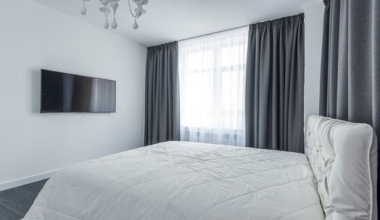
Blackout curtains are more than just a stylish addition to your home; they are engineered fabrics designed to block light, insulate rooms, and reduce noise. However, their specialized coatings and linings make them particularly vulnerable to harsh cleaning agents. Using the wrong detergent can strip away the blackout backing, cause fading, or create gaps that let light seep through. This is why selecting a gentle detergent for blackout curtains is not just a recommendation—it is a necessity for preserving their performance and appearance.

Why Blackout Curtains Need Gentle Detergents
Blackout curtains typically have a multi-layer construction: a face fabric, an opaque interlayer (often foam or a specially coated polyester), and sometimes a lining. The interlayer is the key to their light-blocking ability, but it is also the most delicate. Harsh detergents containing bleach, optical brighteners, or strong enzymes can break down the coating, causing it to crack, peel, or become less effective. Additionally, the fabric itself—whether velvet, polyester, or a blend—can shrink or distort under aggressive washing. A gentle detergent works with the fabric’s chemistry, removing dirt and oils without attacking the structural layers that give blackout curtains their value.
___PROTECTED_1___
What Makes a Detergent “Gentle”?
A gentle detergent is not simply a mild soap; it is a formulation that balances cleaning power with fabric safety. Here are the key characteristics:
- Neutral pH (around 6–7): Highly alkaline detergents (pH >9) can damage coatings. Neutral pH cleans effectively without corroding sensitive layers.
- No optical brighteners: These chemicals are designed to make whites look whiter by absorbing UV light and emitting blue light. On blackout curtains, they can cause uneven fading and degrade the dark lining.
- Low or no enzymes: Enzymes (protease, amylase) are great for breaking down stains, but they can also break down protein-based coatings or natural fibers like silk used in some blackout curtains.
- Free from chlorine bleach and phosphates: Chlorine is aggressive on any fabric; phosphates can leave residues that attract dirt and reduce the curtain’s functionality.
- Plant-based or sulfate-free surfactants: Surfactants like sodium lauryl sulfate (SLS) can be too harsh. Look for mild alternatives like coco-glucoside or decyl glucoside.
___PROTECTED_2___
Ingredients to Avoid in Detergents for Blackout Curtains
When scanning the label of a laundry product, keep an eye out for these harmful ingredients:
| Ingredient | Why It’s Bad for Blackout Curtains |
|---|---|
| Bleach (sodium hypochlorite) | Destroys blackout coating, causes yellowing, weakens fabric fibers. |
| Optical brighteners (e.g., distyrylbiphenyl derivatives) | Cause uneven discoloration on dark linings; reduce light-blocking efficiency. |
| Enzymes (protease, lipase, etc.) | Degrade protein-based coatings and natural fibers such as wool or silk. |
| Phosphates | Leave residues that harden fabric and reduce flexibility; bad for the environment. |
| Fabric softeners | Coating agents that clog fabric pores, trap dust, and reduce breathability and light-blocking layers. |
Avoiding these ingredients ensures that your gentle detergent does more harm than good.
How to Choose the Best Gentle Detergent for Blackout Curtains
Selecting the right product depends on your curtain material and personal preferences. Follow these guidelines:
- Check the fabric care label: Always start with the manufacturer’s instructions. If they recommend a specific detergent type, follow it.
- For polyester blackout curtains: A mild, liquid detergent without enzymes works well. Example: Woolite Darks or a fragrance-free sensitive skin detergent.
- For velvet blackout curtains: Velvet requires extra care. Use a detergent designed for delicate fabrics, preferably one that says “for silk and wool” to avoid pile damage.
- For acoustic curtains: These often have added weight or sound-dampening quilting. Use a low-sudsing detergent to avoid excessive residue that can affect sound absorption.
- Unscented is safer: Fragrances can leave a coating that attracts dust and may cause allergy issues. Opt for fragrance-free or naturally scented (e.g., with essential oils) if you prefer.
- Consider liquid over powder: Powders sometimes contain undissolved granules that can get trapped in curtain linings. Liquids dissolve more completely.
Popular gentle detergents include: Seventh Generation Free & Clear, Tide Free & Gentle, Ecover Zero, and The Laundress All-Purpose (for non-velvet).
DIY Gentle Detergent Recipes for Blackout Curtains
If you prefer to make your own detergent, here are two simple, effective recipes:
Basic Liquid Detergent
- 1/4 cup castile soap (unscented, such as Dr. Bronner’s)
- 1 cup distilled water
- 1 teaspoon washing soda (optional, for extra cleaning)
Mix in a squeeze bottle. Use 2 tablespoons per load for a standard washing machine. Do not add fabric softener.
Soap Nut Solution
- 5 soap nuts (dried Sapindus mukorossi shells)
- 2 cups water
Boil the soap nuts in water for 10 minutes, then strain. Use 1/2 cup per load. This is one of the gentlest options available, but it may not remove heavy stains.
Step-by-Step Guide to Washing Blackout Curtains with Gentle Detergent
Follow these steps for the best results:
- Pre-treat stains: Dab any spots with a small amount of gentle detergent mixed with water. Do not rub vigorously.
- Set the machine: Choose a delicate or hand-wash cycle with cold or lukewarm water (max 30°C / 86°F). Hot water can shrink the lining.
- Add gentle detergent: Use the amount recommended on the bottle or less. Do not over-sudse.
- Skip the spin cycle: If possible, use a low spin speed to prevent creasing and stress on the blackout layer.
- Remove promptly: Do not leave wet curtains in the machine to avoid mildew.
- Air dry: Hang curtains on a padded hanger or line dry in a shaded area. Do not use a tumble dryer unless the label explicitly states it is safe. Direct sunlight can degrade the coating.
- Iron on low heat (optional): Use a steamer or iron on the lowest setting, but avoid direct contact with the blackout lining. Iron the face fabric only.
How Often Should You Wash Blackout Curtains?
Frequency depends on dust, pet dander, and smoke exposure. As a rule of thumb:
- Every 3–6 months for standard living areas.
- Every 2–3 months for bedrooms or if curtains are near a kitchen.
- Every 1 month for allergy sufferers or homes with heavy dust.
Between washes, vacuum curtains regularly with a soft brush attachment to remove dust without damaging the fabric.
Common Mistakes to Avoid
- Using fabric softener: It clogs the microfibers and reduces light-blocking ability.
- Washing with other items: Zippers or hooks on other clothes can snag the lining. Wash curtains separately.
- Overloading the machine: Curtains need room to move; cramming them can cause uneven cleaning and damage.
- Using hot water: High heat is the enemy of blackout coatings. Always use cold or warm water.
- Machine drying: The tumbling action can separate the layers. Air drying is always safer.
Final Tips for Long-Lasting Blackout Curtains
Beyond detergent choice, here are additional care practices:
- Rotate curtains: If you have two sets, swapping them seasonally reduces wear on a single panel.
- Use a garment bag: For front-loading machines, place curtains inside a mesh bag to minimize friction.
- Spot clean when possible: Many minor marks can be cleaned with a damp cloth and a drop of gentle detergent.
- Test detergent first: Apply a small amount of the chosen detergent on a hidden corner of the curtain. Wait 10 minutes and check for discoloration or coating damage.
- Store out of sunlight: When not in use, store curtains in a cool, dry place away from direct sunlight to prevent UV damage.
By treating your blackout curtains with the right gentle detergent and proper washing techniques, you can extend their life by years—keeping your room dark, quiet, and comfortable.