Your home office should be a sanctuary of productivity and comfort. The right curtain fabric can transform your workspace by controlling light, reducing noise, enhancing privacy, and setting the perfect ambiance. This guide will walk you through everything you need to know to choose the ideal curtain fabric for your home office.
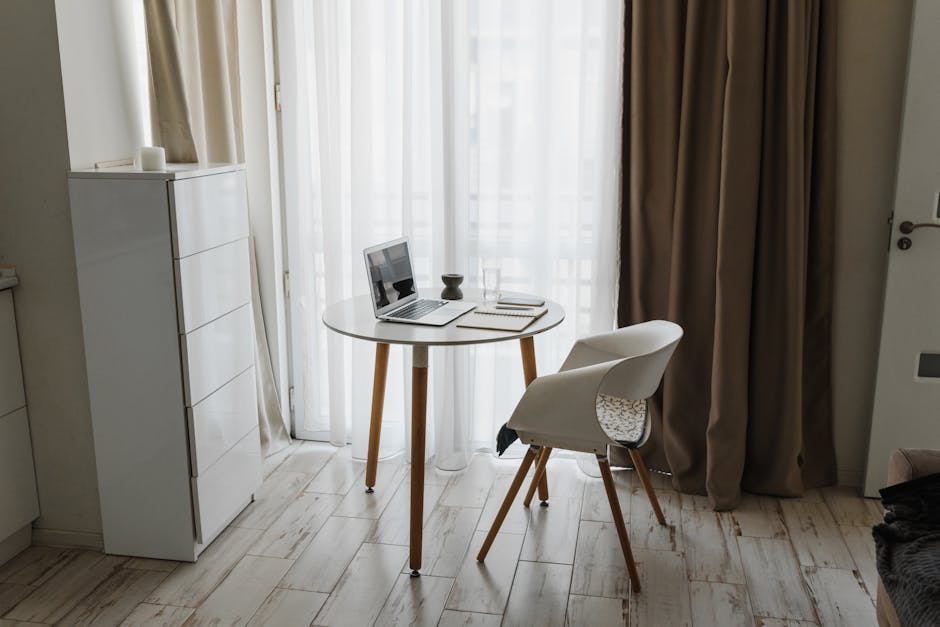
Key Factors to Consider for Home Office Curtains
Before diving into fabric types, evaluate your specific needs. Every home office is different—some face direct sunlight, others are near a busy street, and some double as a video conferencing space.
Light Control and Glare Reduction
Excessive glare on your computer screen can cause eye strain and headaches. For a home office, you need curtains that can block or diffuse light effectively. Blackout fabrics are ideal for complete darkness, while sheer options soften harsh sunlight. Consider a layered approach: sheers during the day and blackout curtains for late-night work or naps.
Privacy and Screen Visibility
If your office window faces a street or neighbor, privacy is crucial. Sheer fabrics offer daytime privacy while letting in light, but at night you may need a denser fabric. Velvet and blackout curtains provide maximum privacy from both sides. Acoustic curtains also add a layer of opacity.
Noise Reduction and Acoustics
Background noise—traffic, neighbors, household sounds—can disrupt concentration. Acoustic curtain fabrics are designed to absorb sound, reducing echo and outside noise. For a quieter workspace, choose thick, multilayered fabrics like velvet or specialty acoustic materials.
Aesthetics and Professional Appearance
Your home office should reflect a professional yet personal style. Velvet adds a touch of luxury, while linen or cotton blends offer a clean, modern look. Consider the color: neutral tones promote calm, while bold accents can energize the space. Patterned fabrics can hide stains and add visual interest.
Energy Efficiency
Thermal insulation helps maintain a comfortable temperature and reduce energy bills. Blackout and velvet curtains have insulating properties, keeping the room cooler in summer and warmer in winter.
___PROTECTED_1___
Top Curtain Fabrics for Home Offices
Here’s a detailed comparison of the most popular fabric types for home office curtains:
| Fabric Type | Light Control | Privacy | Noise Reduction | Aesthetic | Best For |
|---|---|---|---|---|---|
| Blackout | Excellent (blocks 99% light) | Excellent | Good (thick layers) | Modern, sleek | Glare-free screens, total darkness |
| Sheer | Low (diffuses light) | Moderate (daytime only) | Poor (thin fabric) | Airy, elegant | Soft daylight, gentle atmosphere |
| Velvet | Very good (dense pile) | Excellent | Very good (thick and absorbent) | Luxurious, rich | Soundproofing, premium look |
| Acoustic | Good (varies by liner) | Excellent | Excellent (specially engineered) | Functional, modern | Noisy environments, recording studios |
___PROTECTED_2___
Blackout Curtain Fabrics for Home Offices
Blackout curtains are a top choice for home offices because they eliminate glare and create a dark environment for screen work or video calls. They typically have a dense weave or a special coating that blocks light.
Practical Tips:
- Choose a fabric with a white backing to reflect heat and light back outside.
- For a multi-purpose room, combine blackout curtains with sheers to adjust light levels.
- Look for grommet or rod-pocket styles for easy installation and smooth operation.
Care: Most blackout curtains are machine washable on a gentle cycle, but always check the label. Avoid harsh detergents that can degrade the coating.
Sheer Curtain Fabrics for Home Offices
Sheer curtains are perfect if you want to maintain a view and natural light while reducing glare. They offer minimal privacy at night but are excellent during the day.
Practical Tips:
- Layer sheers with blinds or blackout curtains for flexibility.
- Choose a linen-cotton blend for a more structured drape.
- Use them in a home office with northern exposure to soften harsh shadows.
Care: Sheers are delicate—hand wash or use a mesh bag on a gentle cycle. Iron on low heat if needed.
Velvet Curtain Fabrics for Home Offices
Velvet is not only luxurious but also highly functional. Its dense pile absorbs sound and insulates, making it ideal for a quiet, cozy workspace. Velvet curtains come in various materials—cotton, polyester, or blends.
Practical Tips:
- Choose compression-molded velvet (like crush velvet) for better sound absorption.
- Dark colors (navy, charcoal, emerald) hide dirt and create a sophisticated backdrop for video calls.
- Add a lining to enhance light blockage and prolong the fabric’s life.
Care: Professional dry cleaning is recommended for velvet to maintain its texture. Vacuum with a brush attachment to remove dust.
Acoustic Curtain Fabrics for Home Offices
Acoustic curtains are specially engineered to reduce noise transmission. They are often made with multiple layers, including a dense core and a sound-absorbing lining. Perfect for home offices near busy rooms or streets.
Practical Tips:
- For best results, curtains should be floor-to-ceiling and extend beyond the window frame to trap sound.
- Pair with carpet and soft furnishings to create a quiet zone.
- Check the Noise Reduction Coefficient (NRC) rating—higher is better.
Care: Most acoustic curtains can be vacuumed or spot cleaned. Professional cleaning is advised for deep stains.
Buying Guide: How to Measure and Choose
Step 1: Measure Your Window
For a professional look, curtains should be mounted 4–6 inches above the window frame and extend to the floor. The width should be 1.5 to 3 times the window width for fullness.
Step 2: Consider Curtain Headers
Grommet tops are easy to slide, while pinch pleats offer a tailored look. For layered curtains, use a double rod system.
Step 3: Test Light and Sound
Before buying, hold the fabric up to a window to check light penetration and feel its weight. If possible, read reviews about noise reduction.
Step 4: Match Your Decor
Choose colors that complement your wall paint and furniture. Neutral tones (beige, gray, white) are versatile, while vibrant hues can inspire creativity.
Care Tips for Home Office Curtains
- Vacuum curtains regularly with a brush attachment to prevent dust buildup.
- Rotate curtains between seasons to maintain their appearance and function.
- For blackout and acoustic fabrics, avoid direct sunlight exposure to prevent fading.
- Use fabric-safe sprays for static reduction if you have dry air.
- Always follow the manufacturer’s care instructions; some fabrics require dry cleaning.
Application Case Studies
Case 1: Home Office in a Noisy Apartment
A freelance writer in a city apartment faced constant traffic noise. They installed floor-to-ceiling acoustic curtains in a charcoal velvet. The noise level dropped significantly, and the dark color created a cozy, distraction-free environment.
Case 2: Dual-Purpose Spare Bedroom/Office
For a room used both as a guest bedroom and home office, the owner chose layered curtains: white sheers for daytime light and blackout curtains for overnight privacy and sleep. The combination transformed the room for different uses.
Case 3: Video Conferencing Professional
A manager who spends hours on Zoom needed a professional background. They selected charcoal velvet curtains that reduce echo and create a flattering backdrop, while also controlling window light to prevent overexposure.
Final Recommendations
Choosing the right curtain fabric for your home office depends on your primary needs. If you struggle with screen glare, invest in blackout curtains. For noise, go with acoustic or velvet. If you want flexibility, layer sheers with heavier curtains. Measure carefully, prioritize quality, and don’t forget to care for your curtains regularly. The perfect fabric will make your home office more productive and enjoyable.