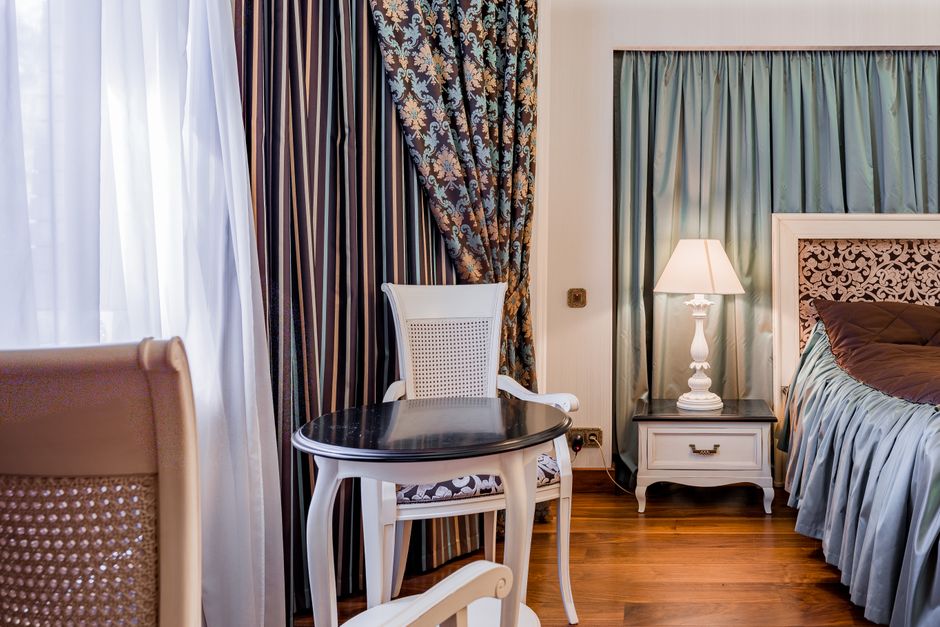
Why Hotel Curtains Matter More Than You Think
When guests step into a hotel room, curtains are among the first elements they notice—and touch. They frame the view, control the light, muffle street noise, and contribute substantially to the overall ambiance. In fact, curtains are a silent workhorse of hospitality design. They enhance guest comfort, energy efficiency, and the aesthetic identity of your property. Whether you run a boutique hotel, a luxury resort, or a business hotel, the right curtain ideas can transform an ordinary room into a memorable experience.
Beyond aesthetics, hotel curtains face unique challenges: heavy daily use, frequent laundering, and the need to satisfy a wide range of guest preferences. This guide explores hotel interior curtain ideas that balance beauty, functionality, and durability. From blackout fabrics that promote deep sleep to acoustic panels that reduce noise transfer, you’ll learn how to choose and style curtains that elevate your hotel’s design and operational efficiency.
___PROTECTED_1___
Key Factors to Consider When Choosing Hotel Curtains
Before diving into specific design ideas, it’s essential to understand the technical factors that make a curtain suitable for hospitality use. Each decision impacts guest satisfaction, maintenance costs, and energy bills.
Light Control and Blackout Fabrics
A good night’s sleep is the cornerstone of guest satisfaction. Light pollution from street lamps, billboards, or early morning sun can disrupt rest. That’s why blackout curtains are a must-have in guestrooms. Look for fabrics with a tight weave and a light-blocking coating or interlining. Triple-woven blackout fabrics block up to 99% of light while remaining relatively soft to the touch. For shift-varying needs, consider “dim-out” fabrics that reduce light without plunging the room into complete darkness.
Acoustics and Noise Reduction
Hotel guests expect quiet environments. Acoustic curtains are engineered with dense, heavy fibers that absorb sound waves, reducing noise from outside traffic, neighboring rooms, or HVAC systems. While they won’t replace soundproofing walls, they can significantly improve the acoustic comfort of a room. Use acoustic drapes in city-facing guestrooms or in conference rooms where speech intelligibility matters.
Privacy and Sheer Fabrics
Sheer curtains are not just decorative; they provide daytime privacy while allowing natural light to filter through. They soften the transition between the outdoors and the intimate space of a hotel room. For ground-floor rooms or properties close to neighboring buildings, sheers are essential. Layering sheers with blackout curtains gives guests full control over every level of privacy and light.
Aesthetics and Branding
Your curtain fabric, color, and pattern should reflect your hotel’s personality. A luxury hotel might use rich velvet drapes in jewel tones, while a minimalist eco-lodge may favor organic linen or recycled polyester sheers. Curtains are an excellent opportunity to incorporate your brand’s color palette and create a cohesive look across all public and private spaces.
Durability and Maintenance
Hotel curtains are opened and closed dozens of times daily. Fabric must resist fading, fraying, and staining. Look for high-abrasion-resistant fabrics with a high Martindale rating (20,000 cycles or more). Consider treatments like soil-release finishes, antimicrobial coatings, and fire retardancy to meet hospitality safety standards. Ease of laundering is also critical—some fabrics can be machine-washed, while others require dry cleaning, which impacts operational costs.
___PROTECTED_2___
Top Hotel Curtain Styles and Design Ideas
Now let’s explore specific curtain styles that work beautifully in hotels. These ideas can be adapted to different room types, budgets, and design themes.
Floor-to-Ceiling Drapes for Luxury
Floor-to-ceiling drapes elongate the eye, making rooms appear taller and more spacious. For a grand effect, hang the curtain rod close to the ceiling and let the fabric pool slightly on the floor—though in hotels, a clean “kiss” length (just touching the floor) is easier to maintain. Use heavy velvet or silk-blend fabric in the guestroom or lobby to invoke a sense of opulence. In corner rooms with expansive windows, floor-to-ceiling drapes frame the view and add a touch of theatrical drama.
Layered Curtains for Flexibility
The most adaptable hotel window treatment is a layering system: a sheer or transitional panel closest to the glass, a blackout or dim-out mid-layer, and a decorative top treatment or valance. This approach gives guests complete control over light, privacy, and view. Lobby spaces can use sheers alone for an airy feel, while guestrooms should always include a blackout layer. Layered curtains can also be motorized for ease of use and a high-tech guest experience.
Minimalist and Modern
For contemporary hotels, clean lines and understated elegance win the day. Choose flat-front panels in neutral tones like oatmeal, gray, or white. Avoid heavy patterns; instead, use texture to add interest—think brushed cotton, linen blends, or ribbed weaves. Galvanized or matte black hardware adds an industrial touch. Motorization with smart controls can make these curtains rise and fall at the touch of a button, appealing to tech-savvy guests.
Classic Elegance with Velvet
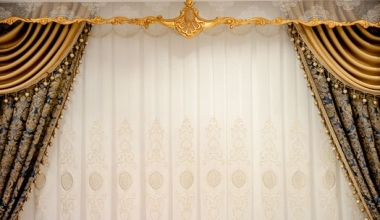
Velvet is the quintessential fabric for luxury interiors. Its plush texture, rich color saturation, and sound-absorbing qualities make it a favorite for upscale hotels. Dark green, deep navy, burgundy, and charcoal velvet curtains add drama to a guestroom or lounge. For a durable velvet look, choose polyester or a blend with natural fibers—these resist crushing and fading better than pure silk. Velvet also pairs beautifully with sheer linen under-curtains, creating a layered, classic silhouette.
Smart Curtains and Automation
Smart hotels are increasingly using automated curtains that sync with room lighting and climate systems. Guests can open or close them via a bedside tablet, voice assistant, or light switch. Timed automation can gently open curtains in the morning to serve as a natural alarm. For hotels, automated curtains also reduce wear and tear because they move consistently. When combined with light sensors, they can automatically block out midday sun to keep rooms cool, lowering energy costs.
Fabric Selection by Hotel Area
Different hotel spaces have different curtain requirements. The table below summarizes recommended fabric types and features for each major area.
| Hotel Area | Recommended Fabrics | Key Features |
|---|---|---|
| Guestrooms | Blackout polyester, blackout velvet, or acoustic curtains | High light blockage, sound absorption, durable, machine-washable options |
| Suites & VIP Areas | Silk blends, velvet, sheer polyester with embroidery | Luxurious appearance, thermal insulation, premium finishing |
| Lobby & Lounge | Sheer, shantung, and light-diffusing fabrics | Elegant ambiance, UV protection, wide width for large windows |
| Restaurant & Bar | Dimensionally stable polyesters, acrylic fabrics | Stain resistance, easy clearing, high colorfastness |
| Conference Rooms | Acoustic curtains with blackout lining | Sound absorption, high visual acuity for presentations, motorization possible |
| Corridors & Public Areas | Practical blends with anti-bacterial finish | Scratch resistance, low maintenance, fire-retardant properties |
Practical Tips for Styling Hotel Curtains
Once you’ve selected the fabric, styling is what brings the design together. Here are some professional tips to consider.
- Hang hardware high and wide: Extend the curtain rod 6–8 inches beyond the window frame on each side to make windows appear larger and let more light in when open.
- Use consistent lengths: In guestrooms, exactly match the curtain length from the rod to the floor to create a clean, tailored look. Pooling may look luxurious but is harder to clean and can trip guests.
- Layer with a valance or cornice: Rounded valances or sharp cornices hide the drapery hardware and add a finished look, especially in classic or traditional hotel interiors.
- Consider motorization: Especially for large, high-paneled curtains that are difficult for guests to reach. It also reduces wear and maximizes convenience.
- Choose easy-clean headings: Use grommet or ripple-fold tracking systems that allow curtains to glide smoothly and can be easily detached for cleaning. Avoid pinch pleats if you need frequent laundry cycles.
- Play with trim and tassels: Decorative trims on sheer or velvet curtains can elevate the design, but make sure they are securely attached and do not snag.
Maintenance and Care Essentials
Hotels must keep curtains looking fresh despite constant use. Develop a maintenance schedule that balances guest satisfaction and operational budget.
- Vacuum weekly: Use a brush attachment to remove dust and allergens from the fabric surface. This prolongs the time between professional cleanings.
- Spot clean promptly: Treat stains immediately with a mild detergent and cold water. Always test a small area first.
- Follow laundering labels: Some blackout and acoustic curtains are not machine washable—they need dry cleaning. Choose fabrics that are water-safe for ease of care.
- Inspect hardware quarterly: Check for loose screws, worn runners, or frayed cords. Replace dry-rotted linings before they become visible.
- Rotate with seasons: If your hotel has seasonal design changes, invest in two sets of curtains per room. This reduces wear and keeps your décor fresh.
Conclusion
Hotel interior curtain ideas are not just about choosing a nice pattern. They involve a strategic balance of functionality, aesthetics, and operational efficiency. From blackout fabrics that ensure deep sleep to acoustic curtains that quiet a bustling city, the right window treatments can significantly enhance the guest experience. By considering the specific needs of each hotel area, investing in durable materials, and embracing smart automation, you can create inviting, luxurious, and practical interiors that guests will remember. Remember, every curtain tells a story—make sure the story of your hotel is one of comfort and style.