Hospitality design is a delicate balance of aesthetics, functionality, and guest comfort. Every element—from the furniture to the lighting—plays a pivotal role in creating an inviting and memorable experience. Among these, curtains are often underestimated, yet they hold the power to transform a space. Whether it's a luxury hotel, a cozy boutique inn, or a high-end restaurant, the right curtain fabrics can elevate the ambiance, control light, ensure privacy, and even improve acoustics. In this comprehensive guide, we explore hospitality design inspirations through the lens of blackout, sheer, velvet, and acoustic curtain fabrics, offering practical tips and industry insights for designers and property owners alike.
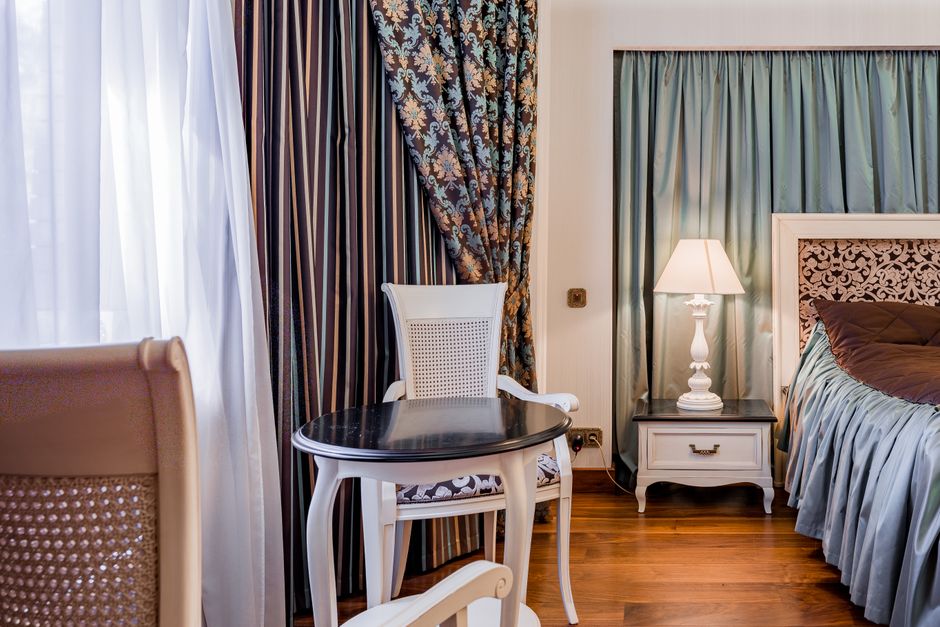
The Role of Curtains in Hospitality Design
Curtains in hospitality settings serve multiple purposes beyond mere decoration. They control the influx of natural light, provide guests with privacy, contribute to sound insulation, and enhance the overall thermal comfort of a room. Moreover, curtains are powerful design elements that can express the personality of a hotel or restaurant—from opulent velvet draperies in a classic five-star hotel to airy sheers in a beachfront resort. Understanding the functional and aesthetic potential of different curtain fabrics is essential for creating spaces that feel welcoming and luxurious.
___PROTECTED_1___
Choosing the Right Fabric for Guest Rooms
Selecting the perfect curtain fabric involves weighing visual appeal against performance. Different fabrics offer distinct benefits, and the choice should align with the specific needs of each space. Below, we compare the four primary types of curtain fabrics used in hospitality design.
| Fabric Type | Key Features | Best Suited For |
|---|---|---|
| Blackout Curtains | Block 99% of light, improve sleep quality, energy-efficient, offer privacy | Guest bedrooms, conference rooms, home theaters |
| Sheer Curtains | Allow soft natural light, provide daytime privacy, light and airy | Lobbies, dining areas, beachside windows, layering |
| Velvet Curtains | Luxurious texture, excellent insulation, sound dampening, rich colors | Upscale suites, fine dining restaurants, lounges |
| Acoustic Curtains | Sound absorption, noise reduction, often combined with thick fabrics | Convention centers, banquet halls, urban hotels |
Blackout Curtains: The Foundation of Restful Sleep
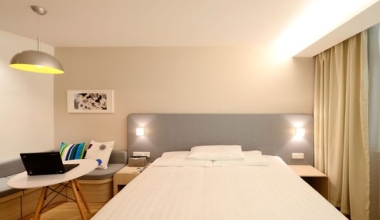
In the hospitality industry, guest satisfaction largely hinges on the quality of sleep. Blackout curtains are a non-negotiable feature in hotel bedrooms, as they create a dark, tranquil environment that promotes deep rest. Made from tightly woven or coated fabrics, these curtains prevent light leakage and also provide thermal insulation, reducing energy costs for heating and cooling. For maximum effectiveness, consider blackout curtains with side channels or attached valances to eliminate any gaps. Hotels can also offer guests the choice of blackout or sheer layers, but a dedicated blackout track is always a win.
Sheer Curtains: Effortless Elegance and Light Control
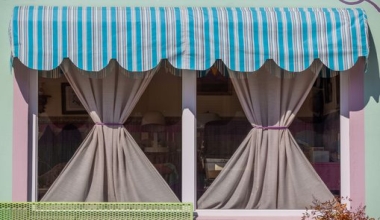
Sheer curtains are a versatile tool in hospitality design. They diffuse harsh sunlight into a soft, flattering glow, making spaces feel bright and ethereal. In lobbies and restaurants, sheers provide a sense of openness while still offering a degree of privacy during daylight hours. They are also the perfect layering partner beneath heavier drapes, adding depth and texture to window treatments. For a beachfront property or a garden-view café, sheer white or ivory curtains can enhance the airy, resort-like vibe.
Velvet Curtains: A Touch of Opulence
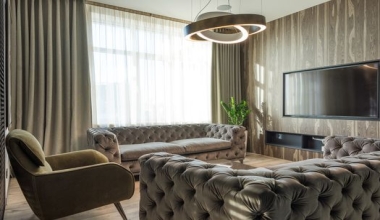
Velvet has long been synonymous with luxury and grandeur. In hospitality design, velvet curtains instantly elevate a room, adding rich color, depth, and a tactile sense of indulgence. The dense pile of velvet also contributes to sound absorption and thermal insulation, making it a smart choice for high-end suites and exclusive dining spaces. Deep jewel tones like emerald, sapphire, and burgundy are particularly luxurious, while neutral velvet shades can create a more understated, contemporary feel. Velvet requires professional care, but its visual payoff is undeniable.
Acoustic Curtains: Sound Control for Serene Spaces
In bustling hotels or restaurants located in noisy urban areas, acoustic curtains are a game-changer. These specialized curtains are designed to absorb sound waves, reducing echo and external noise intrusion. They are typically made from thick, dense materials or feature multiple layers with soundproofing interlinings. Acoustic curtains are ideal for conference rooms, event halls, and even guest rooms adjacent to busy streets. Not only do they improve the auditory experience, but they also add an extra layer of thermal and light insulation, making them a multi-functional investment.
___PROTECTED_2___
Layering Curtains for Aesthetic and Function
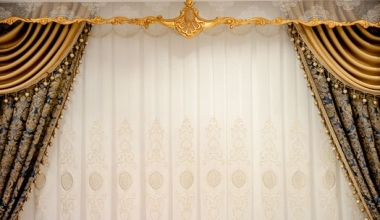
One of the most effective trends in hospitality design is layering different curtain types to achieve a perfect balance of style and utility. A common combination is sheer curtains paired with blackout or velvet ones. This arrangement allows guests to control light gradually—sheers for a soft daylight filter and heavier drapes for full darkness and privacy. Designers can play with color contrasts and textures to create a sophisticated, bespoke look. For instance, a light, neutral sheer under a deep velvet curtain in a complementary hue draws the eye and adds depth to the window area.
Practical Tips for Layering
- Install separate tracks or rods for each layer to allow independent operation.
- Use tiebacks or holdbacks to elegantly keep layers open during the day.
- Consider motorized systems for hard-to-reach or heavy curtains, enhancing guest convenience.
- Choose fabrics with complementary textures to avoid visual monotony.
Care and Maintenance Tips for Hospitality Curtains
In the hospitality industry, curtains endure significant wear and tear, making regular maintenance essential. Proper care not only prolongs the lifespan of the fabric but also ensures hygiene and a pristine appearance. Here are some actionable tips:
- Vacuum weekly using a brush attachment to remove dust and allergens.
- Spot clean stains immediately with a mild detergent and a soft cloth; avoid rubbing.
- For velvet, use a steamer instead of ironing to release wrinkles and maintain the pile.
- Blackout and acoustic curtains may have special coatings—check manufacturer guidelines before washing.
- Schedule professional deep cleaning at least twice a year, especially in high-traffic properties.
- Install protective liners to shield curtains from sun damage and moisture.
Industry Application Examples
Real-world case studies illustrate the transformative power of thoughtful curtain selection. Consider a boutique hotel in a historic building that wanted to preserve its old-world charm while meeting modern expectations. The design team chose velvet drapes in deep moss green for the guest rooms, paired with sheer linen-like sheers. The result was a cozy, refined atmosphere that guests loved. In another example, a convention center struggled with excessive echo and noise spillover. By installing acoustic curtains along the glass walls, they significantly improved speech clarity and reduced complaints about background noise. A luxury beach resort opted for motorized blackout blinds plus airy white sheers, allowing guests to wake up to the sunrise or sleep in, all at the touch of a button.
Practical Tips for Designers
As a designer, keeping up with the latest fabric innovations and design trends is crucial. Here are some professional insights to help you create stunning yet functional spaces:
- Measure accurately and account for stacking space when curtains are open.
- Use fullness factor of 2 to 2.5 times the window width for a rich, gathered look.
- Specify flame-retardant fabrics to comply with hospitality safety regulations.
- Consider motorized options for a seamless guest experience and improved accessibility.
- Sample fabrics in the actual lighting conditions of the space, as colors can shift dramatically.
- Think about the entire journey: entry, lounge, dining, and sleeping areas all need different curtain strategies.
Sustainability in Curtain Fabrics
Modern hospitality design is increasingly focusing on sustainability. Choose fabrics made from recycled materials, organic cotton, or naturally renewable fibers like bamboo linen. Additionally, look for eco-friendly production processes and certifications such as GREENGUARD or OEKO-TEX, which ensure low chemical emissions. Sustainable curtains not only appeal to eco-conscious guests but also reduce the environmental footprint of your property. Many suppliers now offer recycled polyester blackout fabrics that perform just as well as virgin materials, allowing you to be both stylish and responsible.
Conclusion
Hospitality design is a dynamic field where every detail counts. Curtains, in particular, offer a perfect blend of beauty and functionality, and selecting the right fabric can significantly enhance guest experience. Whether you choose blackout curtains for optimal sleep, sheers for an airy feel, velvet for luxury, or acoustic curtains for sound control, the key is to integrate them thoughtfully with your overall design concept. By staying informed about the latest fabric technologies and care practices, you can create spaces that are not only visually stunning but also comfortable, quiet, and sustainable. Let these inspirations guide your next hospitality project, and remember that the perfect window treatments are a small investment with a huge impact.