Introduction to the Middle East Hospitality Curtain Challenge
The Middle East is home to some of the world's most luxurious and iconic hotels. From Dubai's towering skyscrapers to Abu Dhabi's palatial resorts, hospitality standards are exceptionally high. Yet behind the breathtaking architecture and opulent interiors lies a critical, often underestimated component: window curtains. A hotel's window treatments are not merely decorative; they play a pivotal role in guest comfort, energy efficiency, and the overall aesthetic narrative. This article presents an in-depth case study of a hotel project in the Middle East, exploring the unique challenges of selecting and implementing the right curtain fabrics for blackout, sheer, velvet, and acoustic needs.
___PROTECTED_1___
Case Study: The Grand Oasis Hotel, Dubai
Our case study focuses on The Grand Oasis Hotel, a fictional 5-star property with 350 rooms, suites, and expansive public areas. Located in the heart of Dubai, the hotel faces extreme desert conditions: intense sunlight, high temperatures, and a unique cultural environment. The hotel management approached a curtain specialist with a clear brief: to enhance guest comfort, reduce energy costs, and create a luxurious atmosphere that respects regional design traditions. The result was a comprehensive curtain solution tailored to the region's demands.
Project Requirements and Client Brief
The hotel's procurement team outlined the following critical requirements:
- Temperature control: reduce heat gain through large window panels to lower air conditioning loads.
- Sleep quality: block external light effectively, especially during long summer days and early sunrises.
- Acoustic comfort: minimize external noise from city traffic, airports, and corridor activity.
- Aesthetic alignment: blend with Arabic-inspired interiors, rich textures, and warm color palettes.
- Durability: withstand high humidity, dust, and frequent washing without compromising quality.
- Fire safety compliance: meet local civil defense regulations for flame-retardant fabrics.
Climate and Environmental Factors
The Middle East climate presents a severe test for curtains. With summer temperatures exceeding 45°C (113°F) and relentless UV radiation, curtains are exposed to constant sunlight that can fade fabrics and degrade fibers. The hotel's floor-to-ceiling windows, while providing stunning skyline views, also invite enormous heat gain. Without proper insulation, guest rooms can become uncomfortably warm, leading to increased HVAC usage and higher energy bills. Additionally, the desert dust permeates windows, settling on fabrics and requiring frequent cleaning and maintenance.
Cultural and Design Considerations
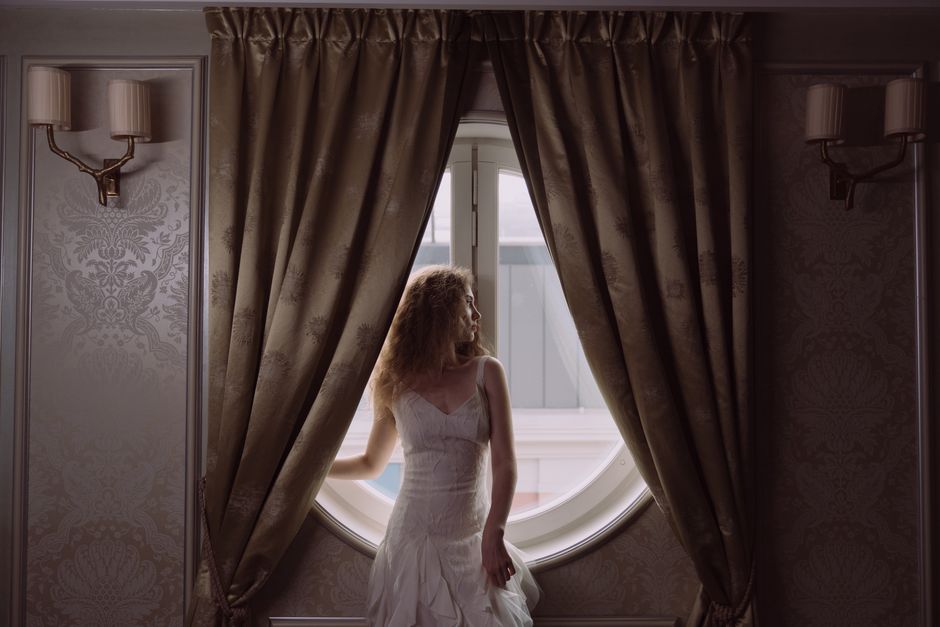
Design in the Middle East is deeply rooted in tradition, featuring geometric patterns, arabesques, and luxurious materials. The curtains needed to complement this cultural aesthetic while also meeting modern functionality. The design theme for The Grand Oasis was "modern Arabian luxury," blending deep jewel tones – emerald green, sapphire blue, and warm gold – with the sheen of silk-like fabrics. The curtain team collaborated with local interior designers to ensure each window treatment echoed the region's heritage without sacrificing performance.
___PROTECTED_2___
Selecting the Right Curtain Fabrics
For the Grand Oasis, four distinct fabric categories were selected, each serving a specific purpose. The table below compares their roles and benefits:
| Fabric Type | Primary Function | Key Benefits | Recommended Application |
|---|---|---|---|
| Blackout | Complete light blockage | Enhances sleep, reduces heat gain, improves privacy | Bedrooms and suites |
| Sheer | Daylight diffusion | Softens sunlight, maintains privacy, creates ethereal ambiance | Living areas, lounge corners |
| Velvet | Luxury and insulation | Rich texture, thermal insulation, acoustic absorption | Suites, executive floors, restaurants |
| Acoustic | Noise reduction | Absorbs sound, stylish and functional | Conference rooms, libraries, corridors |
Blackout Curtains for Sleep Quality and Climate Control
Blackout curtains were the cornerstone of the hotel's room window treatments. Using a triple-weave construction with an opaque coating, these curtains block up to 99% of light, ensuring complete darkness for guests at any hour. This was particularly important for business travelers who may sleep during the day and for families with young children. Beyond light control, the blackout layer acts as a thermal barrier. In the desert, the curtain reflects solar radiation, keeping room temperatures stable. The manufacturing process included a foam backing that adds insulation naturally, reducing reliance on air conditioning. For The Grand Oasis, a luxury blackout fabric with a brushed suede texture was chosen, offering a soft hand-feel while retaining technical superiority.
Practical tip: When specifying blackout curtains in the Middle East, always check the fabric's UPF rating. High-rated fabrics offer better UV protection and prolong the life of curtains and underlying furnishings. Also consider blackout linings, which can be attached to a wide range of decorative fabrics.
Sheer Curtains for Daylight Filtering and Privacy
During the bright Middle Eastern daytime, sheer curtains provide a delicate balance of natural light, privacy, and breathability. The Grand Oasis installed sheer layers on all guest room windows, creating a gentle diffused light that accentuates the interior decor. Sheers are woven from semi-transparent or voile-like materials, allowing sunlight to filter through while preventing outside viewers from seeing inside. In large hotel lobbies, these curtains also soften the harsh sunlight that streams through atrium glass, adding an airy elegance. The hotel chose an Egyptian cotton sheer blend that is lightweight yet durable, resisting the dust that easily adheres to synthetic alternatives.
Practical tip: Layer sheers with blackout curtains for optimal flexibility. For those designing hotel windows, install separate window tracks for different curtain types, allowing guests to adjust light and privacy as desired. Also choose sheers with a soil-release finish to simplify cleaning in dusty climates.
Velvet Curtains for Luxury and Acoustic Insulation
To meet the luxury expectations of the Grand Oasis, low-sheen velvet curtains were used in suites and public dining areas. Velvet is a classic choice for premium hospitality, its dense pile absorbing sound and contributing to a quiet, serene environment. Because velvet is naturally insulating, it performs remarkably well in the desert climate, adding a layer of thermal resistance. The hotel selected a polyester-blended velvet with a moisture-resistant finish to prevent mildew and warping in humid conditions. Its heavy weight and full pleating gave a rich, dramatic fall that aligns with Arabian opulence. Velvet also avoids the glare and semigloss reflections of satin finishes, which is preferred in candlelit and ambient spaces.
Practical tip: When using velvet, ensure the curtain track and brackets are robust enough to handle extra weight. A motorized track is advisable for large, heavy velvet panels in high-ceilinged lobbies. In the Middle East, where air conditioning is used year-round, velvet also reduces drafty cold spots near windows.
Acoustic Curtains for Noise Reduction in Public Areas
Acoustic curtains are specially engineered to dampen sound waves. They are constructed with a dense, textured fabric—usually incorporating recycled cotton or felt—that absorbs noise, reducing reverberation and echoing. The hotel's conference and banquet halls faced a significant issue: noise from the nearby highway and flight path infiltrating the space, disrupting events. Acoustic curtains with a noise reduction coefficient (NRC) of 0.5 or higher were installed. These curtains were hung in deep pleats along entire window walls, breaking the transport of sound waves. In the hotel's business lounge, they also provided a quiet retreat from the open-plan lobby, helping guests focus or hold confidential calls.
Practical tip: For maximum acoustic benefit, install curtains with at least 150cm width per pleat and leave a 10cm gap from the wall to allow the fabric to capture air. Also consider layering an acoustic curtain behind a decorative blackout or velvet curtain in high-traffic areas.
Implementation and Installation Best Practices
Every curtain was custom-made to exact window measurements, allowing for a 1.5 to 2 times fullness ratio for proper draping. The installation team used extruded aluminum tracks with small rounded gliders to reduce friction and ensure smooth operation, crucial for motorized systems. For the massive windows in the lobby, a combination of electric motors and programmable controls allowed the staff to open and close curtains automatically based on time and sunlight intensity. The tracks were anchored to the concrete structural beams, safely distributing the weight of heavy velvet and acoustic sets. Fire-resistance was achieved through fabric treatments that met the British standard BS 5867, as required by Dubai Civil Defense. This integration of functional hardware with high-tech controls ensured that the curtains remained visually clean and operationally reliable.
Maintenance and Care Tips for Middle Eastern Conditions
Guests often treat curtains with indifference, but in a desert climate, regular care is essential. The Grand Oasis a maintenance schedule that includes gentle vacuuming two to three times per week to remove abrasive dust before it embeds into fibers. Quarterly professional dry cleaning is recommended for velvet and blackout curtains, while sheers can be machine-washed on a delicate cycle with cold water and mild detergent. To prevent fading from ultraviolet rays, the hotel applied a UV-protective window film to the inside glass surface, reducing fabric degradation. Additionally, the curtain hooks and tracks are inspected every six months for alignment and wear, with any damaged pulleys replaced immediately. This proactive approach extends the lifespan of the curtains, preserving their color and texture for years.
Results and Guest Feedback
Twelve months after implementation, the results exceeded expectations. The Grand Oasis reported a 14% reduction in room energy costs attributed solely to the blackout and velvet curtains' insulating properties. Guest satisfaction scores related to sleep quality rose from 86% to 92%. A flood of positive reviews specifically mentioned the "complete darkness" and "quiet calm" of the rooms. The acoustic curtains in the conference center reduced ambient noise by 22%, enabling more productive meetings. The visual transformation of the public spaces also drew praise from design critics, and the hotel received a local interior design award for the “harmonious blend of tradition and innovation” in its window treatments.
Key Takeaways for Hospitality Projects in the Middle East
- Invest in high-performance fabrics: The initial cost is offset by energy savings and extended fabric life.
- Avoid one-size-fits-all specifications: Each zone in the hotel—guest rooms, suites, lobbies, conference rooms—has distinct needs.
- Combine function with aesthetics: Modern manufacturing allows luxury textures and prints on technically superior fabric bases.
- Prioritize motorization and control: Automated curtains increase guest convenience and allow property managers to maintain consistent solar shading.
- Do not ignore care and cleaning practices: A regular maintenance program is crucial to prevent permanent damage from dust and humidity.
Conclusion: The Right Curtain Fabric Transforms Hospitality
The Grand Oasis Hotel case study demonstrates that curtains are far more than a final decorative touch. In the Middle East's extreme environment, they are a strategic investment in comfort, sustainability, and guest satisfaction. By choosing the correct combination of blackout, sheer, velvet, and acoustic curtains, hoteliers can overcome the challenges of harsh sunlight, desert dust, and noise. More importantly, they can create an environment that feels both luxurious and calming, which is the essence of exceptional hospitality. For any hotel project in the region, working with an experienced curtain specialist is not an optional extra—it is a necessity.