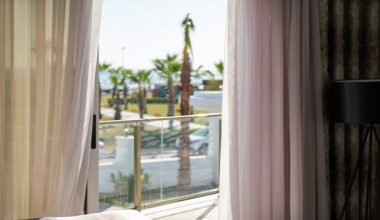
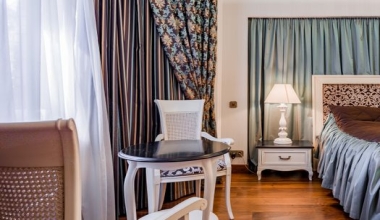
In the dynamic hospitality industry of Asia, where aesthetics meets functionality, curtains play a pivotal role in defining guest experience. From the tropical humidity of Southeast Asia to the bustling metropolises of East Asia, hotel curtains must balance light control, privacy, acoustics, and luxury. This comprehensive case study explores how leading Asian hotels select and maintain curtain fabrics, offering actionable insights for hospitality professionals.
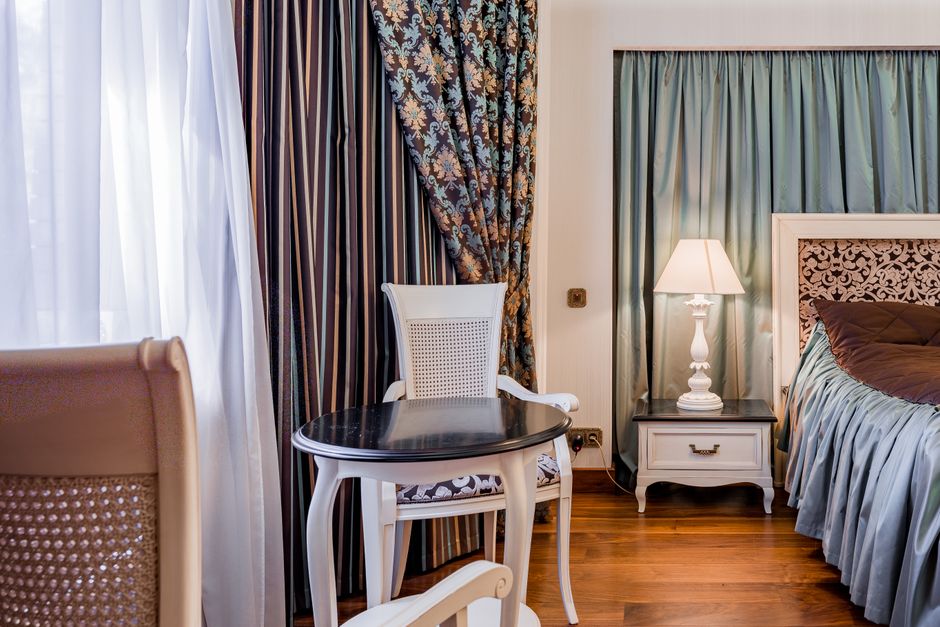
Introduction: The Asian Hospitality Landscape
Asia is home to some of the world's most luxurious hotels, ranging from beachfront resorts in Bali to high-rise business hotels in Tokyo. The curtain fabrics chosen for these properties are not mere decorations; they are engineered solutions that address climate, noise, and cultural preferences for lighting. This guide delves into real-world applications, material choices, and maintenance strategies, helping you make informed decisions for your next hospitality project.
___PROTECTED_1___
Material Selection for Tropical Climates
In tropical and subtropical Asia, heat and humidity are the primary concerns. Fabrics must withstand mold, fading, and high moisture levels. Three categories dominate the region: blackout, sheer, and velvet. Acoustic curtains are increasingly popular in urban properties.
Blackout Fabrics
Blackout curtains are essential for guest bedrooms, especially for international travelers jet-lagged and needing daytime sleep. In Asia, a triple-weave blackout fabric with a light-blocking coating is preferred. These fabrics often have a polyester base for durability and a matte finish to prevent glare. Leading hotels choose blackout fabrics with a UVA/UVB rating of 98% or higher.
Sheer Curtains
Sheer curtains provide privacy while allowing diffused natural light. In Asian hotels, sheers are often used as an inner layer. They should be lightweight yet resistant to tearing. Common materials include polyester and linen blends. In high-humidity areas, synthetic sheers are favored over natural fabrics to prevent mildew.
Velvet Curtains
Velvet adds a touch of opulence, ideal for luxury suites and lobbies. However, velvet is heavy and can trap heat and dust. Modern hotels opt for crushed velvet in polyester or a blend with acrylic for ease of care. Fire-resistant velvet is a legal requirement in many Asian countries.
Acoustic Curtains
Acoustic curtains are designed to reduce noise penetration, a growing concern for city hotels. These are typically made with dense multi-layer fabrics, sometimes with a specialized backing. In Asia, they are used in rooms facing highways, rail lines, or nightlife districts.
___PROTECTED_2___
Case Study 1: Luxury Resort in Thailand
Project: A five-star beachfront resort in Phuket.
Challenge: Guests complained of early morning light and high humidity causing fabric mildew.
Solution: The resort switched to a dual-layer system: a blackout curtain with a moisture-repellent coating and a sheer with antimicrobial treatment. The blackout fabric was a polyester blend with a thickness of 270GSM. The sheers were double-woven, allowing airflow while cutting heat.
Result: Guest satisfaction scores on "sleep quality" rose by 15% within three months. The curtains also passed the hotel's strict fire safety standards.
Case Study 2: Business Hotel in Singapore
Project: A 300-room business hotel in the Central Business District.
Challenge: External noise from construction and traffic disturbed guests. The hotel also needed to comply with Singapore's Green Mark sustainability certification.
Solution: Acoustic curtains with a sound reduction coefficient (SRC) of 0.3 or higher were installed. These were paired with sheer curtains made from recycled polyester. The acoustic curtains featured a triple-layer construction with a high-density felt core.
Result: Sound levels inside guest rooms dropped by an average of 12 decibels. The hotel achieved its Green Mark Gold rating and reported a 22% decrease in guest complaints about noise.
Case Study 3: Heritage Hotel in Japan
Project: A boutique ryokan in Kyoto blending traditional aesthetics with modern comfort.
Challenge: Guests valued natural light and traditional ambience, but energy efficiency was needed.
Solution: The hotel layered sheer linen-effect polyester with blackout velvet curtains in indigo tones. The velvet was treated with a flame-retardant finish. During the day, the sheers allowed soft light; at night, the velvet provided complete darkness and insulation.
Result: Energy savings on heating and cooling were significant, and the hotel received a design award for its use of traditional colors.
Acoustic Considerations for Urban Hotels
Acoustic curtains are not just a luxury; they are a necessity in high-density Asian cities. Key factors include:
- Fabric weight: heavier fabrics (above 500 GSM) absorb more sound.
- Pleating: pinch pleats create air pockets that dampen noise.
- Backing: applying a PVC or foam backing can enhance soundproofing.
- Track system: ceiling-mounted tracks close gaps that reduce effectiveness.
When selecting acoustic curtains for a hotel, request for acoustic test reports. In Asia, common standards are ISO 354 and ASTM C423. Opt for an NRC (Noise Reduction Coefficient) of at least 0.20.
Care and Maintenance Best Practices
Proper care extends the life of hotel curtains and maintains hygiene. Here are practical tips:
- Vacuum weekly: Use a low-suction vacuum with a brush attachment to remove dust and allergens.
- Spot clean promptly: Use a mild detergent and a soft cloth. Avoid bleach on polyester fabrics.
- Professional dry cleaning: For velvet and blackout curtains, schedule dry cleaning every 6-12 months depending on occupancy.
- Steam cleaning: For sheer curtains, steam cleaning kills germs and removes wrinkles without damaging delicate fibers.
- Check for mildew: In humid climates, inspect curtain hems and tracks for mildew. Use a mold-inhibiting spray.
- Remove hardware: Before cleaning, detach rings or hooks to prevent snags.
Many large hotel chains implement a curtain replacement cycle of every 3-5 years for guest rooms, but with proper care, this can extend to 7 years.
Buying Guide for Hotel Curtains
When purchasing curtains for a hotel in Asia, follow these guidelines:
| Factor | Recommendation |
|---|---|
| Fabric Composition | Polyester or blends with high durability and easy-care properties. |
| Fire Safety | Must meet local fire safety standards (e.g., BS 5867 in UK, GB/T 5455 in China). |
| Light Control | Choose blackout lining with 100% light blocking for bedrooms. |
| Acoustic Performance | For city hotels, select curtains with an NRC above 0.20. |
| Colorfastness | Ensure fabrics are UV-stable to prevent fading in tropical sun. |
| Shrinkage | Pre-shrunk fabrics to avoid length changes after cleaning. |
| Sustainability | Consider recycled fabrics or suppliers with eco-certifications like OEKO-TEX. |
It's advisable to order fabric swatches and test them in a real room with the hotel's lighting and window sizes. Also, request a detailed quotation including installation and warranty.
Conclusion
Hotel curtains in Asia are a blend of science and art. By understanding the unique climate, acoustic needs, and design culture, you can select fabrics that enhance guest comfort and operational efficiency. The case studies above demonstrate that investing in high-quality blackout, sheer, velvet, and acoustic curtains yields tangible returns in guest satisfaction and energy savings. Remember to prioritize care and maintenance to maximize longevity. With a trusted fabric supplier, your hotel can set new standards in luxury and functionality.