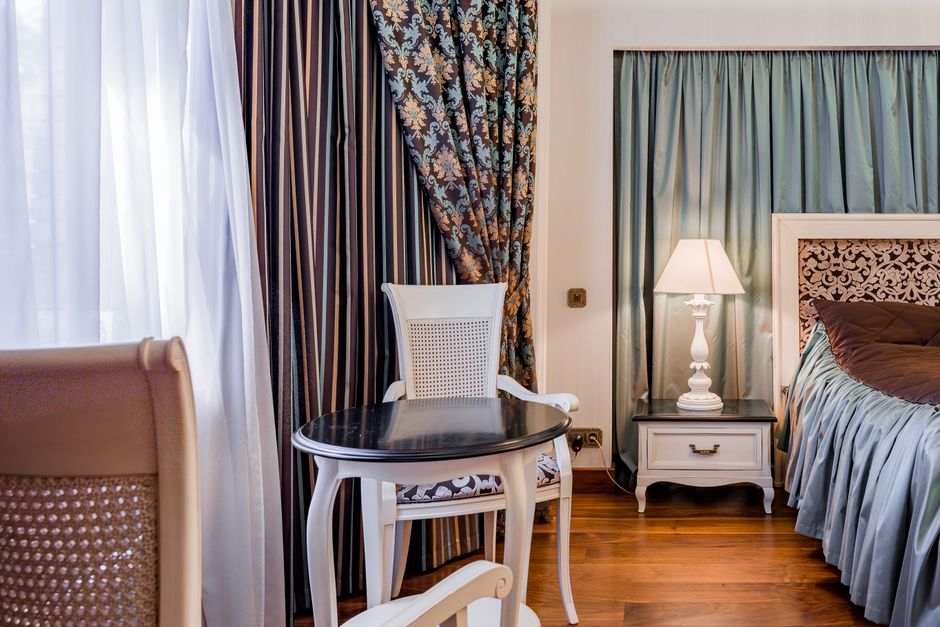
Introduction: The Role of Curtains in European Hotels
In the competitive hospitality landscape of Europe, curtains are far more than window dressing. They are strategic investments that influence guest comfort, energy efficiency, and the overall aesthetic identity of a property. From the grand palaces of Vienna to minimalist design hotels in Copenhagen, the right fabric—whether blackout, sheer, velvet, or acoustic—can elevate a stay from ordinary to memorable. This case study dives deep into real-world hotel applications across Europe, offering practical insights and fabric selection guidelines for hospitality professionals.
___PROTECTED_1___
Case Study 1: Luxury Heritage Hotel in Paris – Velvet Curtains for Opulence and Soundproofing
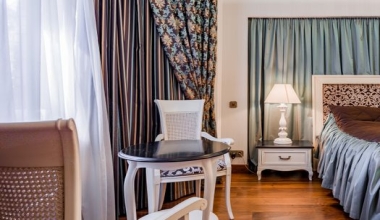
Nestled in the 8th arrondissement, a five-star heritage hotel recently underwent a meticulous renovation. The design brief demanded a balance between classical French elegance and modern acoustic comfort. The solution: heavy velvet curtains in deep emerald and sapphire tones for all guest rooms and suites.
The Fabric Choice
Velvet was selected for its dense pile and thick weave, which naturally dampens street noise from the busy Parisian avenues. The fabric also adds a tactile sense of luxury that aligns with the hotel's gilded interiors. To maximize blackout capacity, the velvet was paired with a separate blackout lining, creating a two-layer system.
Practical Tips from the Project
- Opt for a blend of cotton and silk velvet for durability; pure silk may be too delicate for high-turnover guest rooms.
- Use a continuous track system with a motorized drive to protect the delicate velvet from constant handling.
- Specify flame-retardant treatments to meet European safety standards (EN 13773).
The result: guest satisfaction scores for 'room quietness' jumped by 22% within three months. The velvet curtains also became a signature element in the hotel's marketing photography.
___PROTECTED_2___
Case Study 2: Modern Boutique Hotel in Copenhagen – Sheer Curtains for Natural Light and Minimalism
A 40-key boutique hotel in Copenhagen's meatpacking district embraced the Scandinavian ethos of light and simplicity. The architecture features floor-to-ceiling windows, but harsh morning sunlight and privacy concerns from adjacent buildings needed solutioning. The answer: layered sheer curtains in undyed linen.
The Fabric Choice
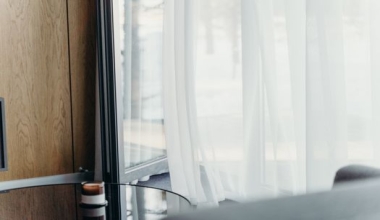
Grade 1 sheers with a subtle texture were chosen to diffuse light without completely blocking the outside view. The material filters UV rays, protecting furniture and artworks inside. In the shared lounge, sheer curtains create an ethereal, open atmosphere that encourages daytime hanging out.
Practical Tips from the Project
- Choose sheers with a high tensile strength—linen blends outperform pure cotton.
- Install sheer curtains on a separate track from blackout curtains to allow independent movement.
- Use a double-rod system with decorative finials in visible spaces for a polished look.
Energy modeling showed that the sheer layer reduced solar heat gain by 30% during summer months, cutting air conditioning costs. The hotel also saves on artificial lighting because the sheers maximize daylight access.
Case Study 3: Business Hotel in Frankfurt – Blackout Curtains for Rest and Technology Integration
Located near Frankfurt Airport, a 300-room business hotel caters to international travelers who often arrive jet-lagged. The priority was perfect darkness for daytime sleep and night-time rest. The selection: 3-pass blackout curtains with a thermal coating and an integrated smart-home system.
The Fabric Choice
Blackout curtains were constructed with a foam-backed, triple-weave fabric that blocks 99.7% of external light. The hotel installed them on motorized tracks synchronized with bedside panels and room occupancy sensors. Guests can press a 'sleep mode' button that closes all curtains and dims lights automatically.
Practical Tips from the Project
- Ensure the blackout fabric has side channels or overlap tapes to eliminate light gaps at the edges.
- Consider a two-layer system: a blackout layer facing the window and a decorative outer layer for daytime aesthetics.
- Use waterproof protective finishes to resist mold in humid climates or near windows.
Post-installation surveys indicated that 85% of guests rated 'darkness quality' as excellent. The hotel also reported a 12% reduction in heating costs, as the thermal blackout layer acts as an insulation barrier.
Case Study 4: Eco-Lodge in the Swiss Alps – Acoustic Curtains for Comfort and Sustainability
An off-grid eco-lodge in Zermatt needed curtains that would reduce noise from wind and neighboring rooms while aligning with their zero-waste philosophy. The chosen solution: acoustic curtains made from recycled PET felt, treated with natural wax for water resistance.
The Fabric Choice
Acoustic curtains are engineered with a stretched, dense fiber structure that absorbs sound—particularly mid-frequency noise like voices and machinery. These curtains were also certified by Cradle to Cradle, reinforcing the lodge's sustainability credentials.
Practical Tips from the Project
- For acoustic performance, the curtain should hang floor-to-ceiling and extend beyond the window frame by at least 10 cm on each side.
- Use a blackout lining on the backing to combine acoustic and light-blocking functions.
- Washability matters—check label instructions for acoustic media; some require dry cleaning only.
The lodge achieved a noise reduction of 18 dB in guest rooms, measured by an independent tester. Guests now enjoy the Alpine silence without sacrificing sustainability.
Fabric Selection Guide for Hotels: Blackout vs. Sheer vs. Velvet vs. Acoustic
Choosing the right curtain fabric for a hotel property requires balancing several factors: light control, acoustics, thermal insulation, aesthetic, and budget. The table below summarizes key comparison criteria:
| Fabric Type | Primary Benefit | Light Control | Acoustic Performance | Best For |
|---|---|---|---|---|
| Blackout | Total darkness & thermal insulation | 95–99.7% | Medium | Business hotels, airport properties, guest bedrooms |
| Sheer | Natural light diffusion & privacy | Less than 20% | Low | Boutique hotels, lobbies, restaurants |
| Velvet | Luxury & moderate sound absorption | 60–80% (without lining) | High | Heritage hotels, luxury suites |
| Acoustic | Sound reduction & noise control | Varies with lining | Very High | Urban hotels, conference centers, eco-lodges |
Many hotels combine two fabric types—for example, a sheer inner layer for daytime and a blackout or velvet outer layer for night. This dual-layer approach is a best practice recommended by European interior designers.
Installation and Maintenance Tips for Hotel Curtains
Proper installation and routine maintenance extend the life of hotel curtains and preserve their functional properties.
Installation Best Practices
- Always use a continuous track with rounded ends for easier motorized operation.
- For heavy velvet or acoustic fabrics, install reinforced brackets capable of supporting the weight per meter.
- Leave a gap of at least 5 cm between the curtain and the window to improve air circulation and prevent condensation.
- Acoustic curtains should be mounted wall-to-wall and floor-to-ceiling for maximum sound damping.
Maintenance Insights
- Vacuum curtains weekly with a soft brush attachment to avoid dust build-up that can reduce acoustic performance.
- For blackout and velvet fabrics, professional dry cleaning every 6–12 months is recommended.
- Sheer curtains can often be machine-washed on a gentle cycle; check the care label.
- Inspect motorization systems quarterly to ensure smooth operation and replace batteries or servos as needed.
Energy Efficiency and Sustainability in European Hotels
European hotels are increasingly required to meet strict energy performance standards (e.g., EU Energy Performance of Buildings Directive). Curtains play a pivotal role: properly selected and installed curtains can reduce heat loss by up to 25% in winter and reduce solar gain by up to 50% in summer, leading to substantial HVAC savings.
Sustainability is also a procurement criterion. Many European hotels now demand fabrics that are Oeko-Tex certified, recycled, or produced with low-impact dyes. Acoustic curtains made from recycled PET are a prime example, converting plastic bottles into high-performance interior textiles.
When specifying for a hotel project, always request the fabric's thermal transmittance (U-value) and light reduction factor (LRF). These metrics allow you to quantify energy savings in tender documents.
Trends and Innovations in Hotel Curtain Technology
The confluence of smart building technology and advanced textiles is reshaping hotel curtains. Here are the most influential trends:
- Automated systems: Motorized curtains integrated with room management systems that respond to time of day, light sensors, and guest preferences.
- Light-filtering smart films: These are laminated onto sheer curtains, allowing variable transparency via an electrical current.
- Acoustic micro-perforation: New acoustic fabrics use micro-perforations to absorb specific sound frequency bands without adding heavy bulk.
- Fire safety innovations: Inherently flame-retardant fibers (like Trevira CS) that do not require chemical backcoating, improving indoor air quality.
- Biophilic designs: Curtains printed with botanical or scenery patterns that mimic outdoor views in windowless spaces.
Hotels that adopt these innovations often see higher guest satisfaction, improved energy ratings, and a stronger brand image.
Conclusion: Key Takeaways for Hotel Owners and Designers
This European case study illustrates that curtain fabrics are not one-size-fits-all. Each property type—luxury heritage, minimalist boutique, business, or eco-lodge—demands a tailored approach. Here are the core lessons:
- Prioritize guest needs: Darkness for business hotels, light for boutiques, quiet for urban properties.
- Layer fabrics: Combine sheers with blackout or velvet to achieve both daylight control and privacy.
- Invest in automation: Motorized systems increase convenience and are expected in modern upscale properties.
- Calculate ROI: Energy savings from thermal curtains can offset initial costs within 3–5 years.
- Verify certifications: Check for Oeko-Tex, fire safety (EN 13773), and acoustic test certificates.
For your next hotel project, start with a fabric audit—test samples on-site under real light and noise conditions. The right curtain will silently enhance your guests' experience and your property's bottom line.