Outdoor curtains are no longer just an afterthought – they are a transformative element for patios, pergolas, verandas, and even open-air commercial spaces. They provide shade, privacy, wind protection, and a touch of elegance while blurring the line between indoor comfort and outdoor living. However, choosing the right outdoor curtains requires a deeper understanding of fabric technology, hardware, and maintenance. This comprehensive guide will walk you through everything you need to know, from selecting the best fabric to installing and caring for your curtains so they last for seasons.
Why Choose Outdoor Curtains?
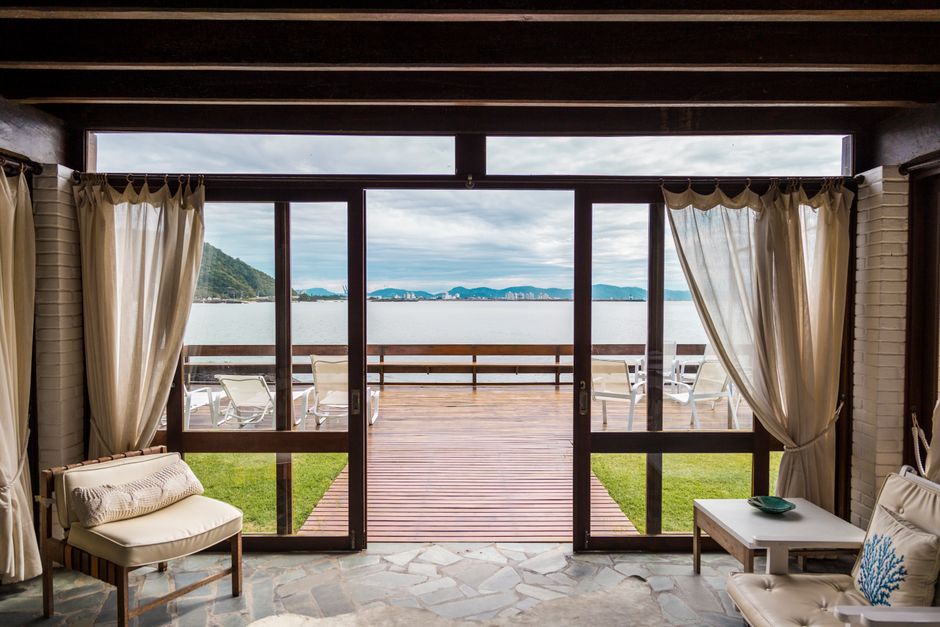
Outdoor curtains serve multiple purposes aside from aesthetics. They block harsh sunlight, reduce glare, shield against light breezes, and create a private retreat in otherwise exposed areas. They also help in temperature regulation – heavy curtains can insulate a patio, while sheer curtains allow airflow while diffusing light. For restaurants, hotels, and event venues, well-chosen outdoor curtains can define spaces, add brand character, and increase usable square footage of an outdoor area.
___PROTECTED_1___
Types of Outdoor Curtain Fabrics
Not all indoor fabrics are suitable for outdoor use. The ideal outdoor fabric must withstand UV rays, moisture, humidity, and temperature fluctuations without fading, mildewing, or deteriorating. Here are the main fabric categories and how they perform outdoors.
Blackout Outdoor Curtains
Blackout fabrics are designed to block virtually all incoming light. For outdoor use, they are typically made from solution-dyed acrylic or polyester with a light-blocking coating or a dense weave. These curtains are perfect for media rooms that open to a patio, or for bedrooms with French doors. They also provide excellent UV protection for furniture and reduce heat glare. When selecting blackout fabric for outside, ensure it has a moisture barrier to prevent mildew, as the coating can trap moisture.
Sheer Outdoor Curtains
Sheer fabrics are lightweight, semi-transparent, and allow gentle breezes to flow through while still providing privacy and diffused sunlight. Linen-look polyester or PVC-coated fiberglass are common choices. They are ideal for pergolas and gazebos where you want an open, airy feel. Sheers are not meant to block heavy rain or wind, but they can significantly soften the environment. Look for sheer fabrics with UV resistance to prevent degradation.
Velvet Outdoor Curtains
Velvet might seem like an indoor-only luxury, but there are now outdoor-grade velvet curtains made from solution-dyed acrylic that mimic the plush texture while resisting water and mildew. These heavy fabrics add drama, warmth, and sound absorption to covered outdoor lounges or winterized patios. However, they are not fully waterproof and should be used in covered areas or brought inside during heavy rain. Outdoor velvet is also more resistant to fading compared to indoor velvet.
Acoustic Outdoor Curtains
Acoustic curtains are engineered to reduce noise levels by absorbing sound waves through dense, multilayered materials. While not completely soundproof, they can significantly dampen traffic noise, wind, or neighboring chatter. For outdoor settings, acoustic curtains are often made from heavy polyester with an acoustic backing. They are excellent for rooftop bars or patios facing busy streets. Keep in mind that acoustic properties are compromised if the curtains are wet, so always protect them from rain.
___PROTECTED_2___
Key Considerations for Outdoor Curtains
Beyond fabric type, several critical factors determine the longevity and performance of outdoor curtains.
Weather Resistance and Water Repellency
Outdoor curtains must be waterproof or at least water-repellent. Look for fabrics with a hydrostatic head rating or a durable water repellent (DWR) finish. Some fabrics are woven so tightly that water beads up and rolls off. For rainy climates, choose fully waterproof curtains with taped seams. Always check the product specifications for rain resistance and whether the fabric is suitable for uncovered outdoor use.
UV Protection and Fade Resistance
Prolonged sun exposure causes fabric fading and weakening. Solution-dyed acrylic is the gold standard for outdoor fabrics because the color is infused into the fiber, not just printed on the surface. This ensures the curtains retain their vibrancy for years. Additionally, heavier fabrics like blackout or velvet naturally provide more UV protection to the area behind them. If your curtains are not UV-stabilized, they will become brittle and lose color rapidly.
Mildew and Mold Resistance
Moisture and humidity are breeding grounds for mildew, which not only looks unsightly but also breaks down fabric fibers. Antimicrobial treatments are essential. Many outdoor fabrics are treated with fungicides or have a tight weave that prevents spores from penetrating. If your curtains are not inherently mildew-resistant, you can apply a fabric protector spray. Always allow curtains to dry completely before storing them.
Hardware and Installation
Outdoor curtain rods, tracks, and grommets must be rust-resistant. Stainless steel, aluminum, or powder-coated materials are best. Consider the overall weight of the fabric – heavy velvet or acoustic curtains require robust hardware. Use outdoor-grade cable systems or tension rods for sheer curtains. Ensure that the mounting brackets are anchored into structural elements like wood beams or concrete, not just house siding.
How to Measure and Install Outdoor Curtains
Correct measurement prevents issues like dragging fabric or gaps in coverage.
- Width: For each panel, measure the rod or track length. A standard rule is to have the curtain total width be 1.5 to 2 times the rod length for a full gather. For blackout or thermal curtains, a closer fit is required to block light, so use a snugger ratio.
- Length: Measure from the top of the rod to the desired endpoint. For outdoor curtains, a common choice is to hang them just above the ground (1/2 inch clearance) to avoid dirt and moisture wicking. For a puddle effect, add 6-12 inches, but this is not practical outdoors.
- Header Type: Grommet tops are easy to slide and popular for outdoor use due to their clean look. Tab tops or tie-tops are also common. For windy areas, consider curtains with weighted hems to keep them from flapping.
| Fabric Type | Light Control | Weather Resistance | Best Use | Maintainance |
|---|---|---|---|---|
| Sheer | Diffuses light | Low to moderate | Pergolas, gazebos | Machine wash gentle |
| Blackout | Blocks 90-100% | High if coated | Bedrooms, media rooms | Wipe clean, spot treat |
| Velvet | High darkness | Moderate, must be covered | Cozy lounges, winter patios | Vacuum, professional cleaning |
| Acoustic | Moderate to high | Varies, often water-repellent | Rooftops, urban patios | Vacuum or gentle wash |
Care and Maintenance Tips for Outdoor Curtains
Proper care extends the life of your outdoor curtains significantly.
- Regular Dusting: Use a soft brush attachment on a vacuum or a duster to remove dirt and pollen weekly. This prevents particles from grinding into the fibers.
- Spot Cleaning: Use a mild soap solution and a soft cloth to gently blot stains. Avoid abrasive cleaners that can damage the finish.
- Washing: Most outdoor fabrics can be machine washed in cold water with mild detergent on a gentle cycle. Check the label. Hang to dry – never use a tumble dryer unless specified, as heat can shrink or damage coatings.
- Rain and Drying: If your curtains get wet, let them dry completely before rolling or folding them to prevent mildew. If they have a waterproof coating, simply wipe them down.
- Seasonal Storage: In harsh winter or hurricane seasons, remove curtains and store them in a cool, dry place. Fold loosely to prevent creases.
- Reapplication of Protective Coatings: After a few washes, you may need to reapply a water-repellent spray to maintain performance.
Industry Applications of Outdoor Curtains
Outdoor curtains are not just for residential backyards. They are increasingly used in commercial and hospitality settings for functional and aesthetic purposes.
Hospitality and Restaurants
Outdoor dining is a major draw for restaurants. Curtains help create intimate dining zones, cut wind, and extend the outdoor dining season. Sheer and acoustic fabrics are popular because they maintain an open atmosphere while reducing traffic noise and providing UV protection. Easy-clean, stain-resistant fabrics are essential for high-turnover environments.
Hotel and Resort Decks
Hotels use blackout curtains on rooftop bars and poolside cabanas to offer guests control over sunlight and privacy. Heavy velvet outdoor curtains in covered lounges add luxury and warmth, especially in cooler evenings. Acoustic curtains are valuable in hotel spaces overlooking high-traffic areas, ensuring guests can relax without ambient noise.
Residential Patios and Pergolas
Homeowners are turning their patios into functional living spaces. Outdoor curtains allow them to create an outdoor living room, a shaded dining area, or a private hot tub nook. Blackout curtains are particularly useful for reducing heat and glare near large glass doors. Sheers offer a breezy, romantic ambiance for a backyard entertaining space.
Event Venues and Wedding Tents
Event planners rely on outdoor curtains to transform open-air venues into an elegant backdrop. Sheer curtains draped from tent ceilings or pergolas create a dreamy atmosphere. Blackout curtains can darken the space for daytime projections or create a cozy evening vibe.
Final Tips for Choosing Your Outdoor Curtains
Always check the manufacturer's specifications for UV rating, water resistance, and fabric weight. If you live in a windy area, consider curtains with bottom weights or tie-downs. Choose grommets or rings that won't rust. And don't overlook the importance of liner options – you can combine a sheer front curtain with a blackout back panel for dual function.
Investing in quality outdoor curtains is a smart way to enhance comfort and property value. Whether you need light filtering sheers, total blackout panels, luxurious velvet, or sound-dampening acoustics, there is a fabric designed to meet your needs. Take the time to measure carefully, choose weather-resistant materials, and follow maintenance steps, and your outdoor curtains will serve you beautifully for years.