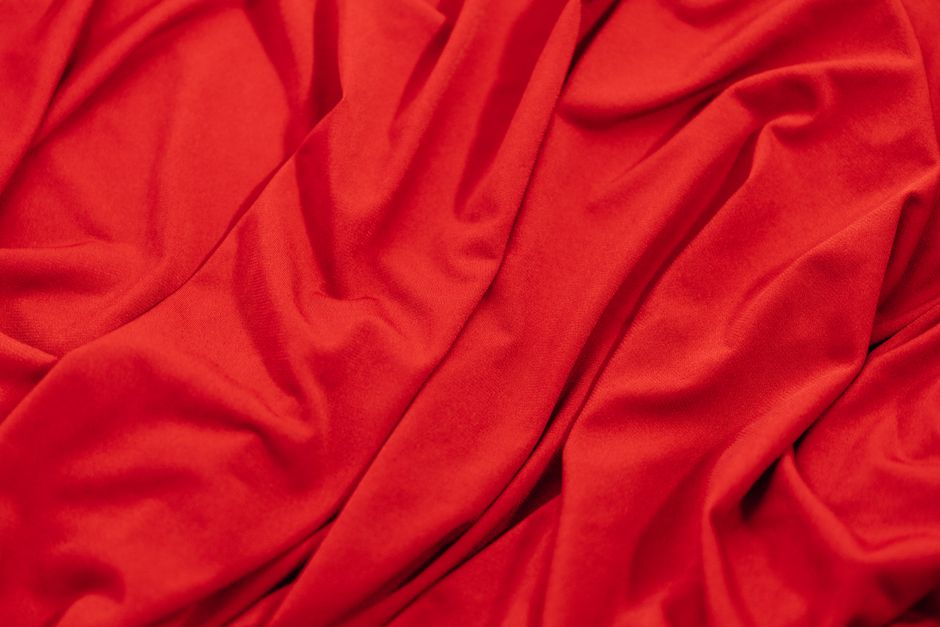
Understanding Different Types of Drapery Fabrics
Selecting the right drapery fabric is crucial for achieving the desired ambiance, functionality, and longevity in your space. This guide explores four primary fabric types: blackout, sheer, velvet, and acoustic curtains, each offering unique benefits.
Blackout Curtain Fabrics
Blackout fabrics are engineered to block nearly all external light. They are typically made from tightly woven polyester or a blend with a foam or acrylic coating. These curtains are ideal for bedrooms, home theaters, and any room where complete darkness is desired. They also provide thermal insulation, reducing energy costs by keeping heat in during winter and out during summer.
Sheer Curtain Fabrics
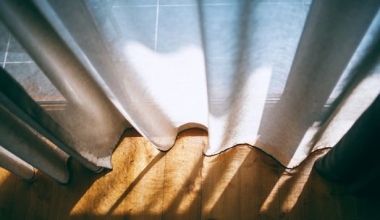
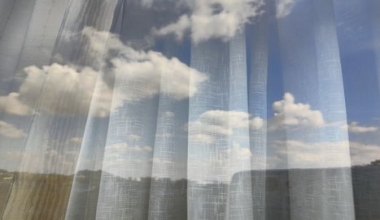
Sheer fabrics are lightweight, translucent materials like linen, silk, or polyester voile. They allow natural light to filter through while offering minimal privacy. Sheers are perfect for living rooms and dining areas where you want to soften harsh sunlight without losing brightness. They add an airy, elegant touch and can be layered with heavier curtains for versatility.
Velvet Curtain Fabrics
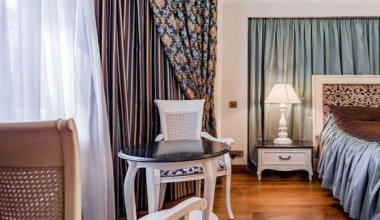
Velvet is a luxurious, dense fabric known for its soft texture and rich color depth. Typically made from cotton, polyester, or silk, velvet curtains offer excellent light-blocking properties (though less than dedicated blackout fabrics) and superior insulation. Their plush feel adds warmth and sophistication to formal spaces like master bedrooms or studies. Velvet does require careful maintenance to avoid crushing or dust accumulation.
Acoustic Curtain Fabrics
Acoustic curtains are specifically designed to absorb sound reverberation. Made from thick, heavy materials like triple-weave polyester or with a felted core, they can reduce noise pollution by up to 50%. They are an excellent choice for home offices, recording studios, or open-plan apartments where noise control is a priority. Many acoustic fabrics also incorporate blackout properties.
___PROTECTED_1___
Key Factors to Consider When Choosing Drapery Fabric
Light Control and Privacy
Assess the room’s light exposure and your privacy needs. For bedrooms, prioritize blackout or heavy velvet. For shared living areas, sheers or light-filtering fabrics work well. Consider layering: sheers behind blackout curtains for maximum flexibility.
Insulation and Energy Efficiency
Fabrics with high density and thermal backing (like blackout or acoustic curtains) reduce heat transfer. Thick velvet and interlined draperies also provide significant insulation. This can lower heating and cooling bills by up to 25%.
Noise Reduction
If you live in a noisy area, choose acoustic or heavy velvet fabrics. The mass and thickness of the material absorb sound waves. Floor-to-ceiling installation with a track system enhances the effect. Test the Noise Reduction Coefficient (NRC) rating – aim for 0.5 or higher.
Maintenance and Care
Check care labels. Sheer fabrics are often machine washable on delicate cycles. Blackout and acoustic curtains may require professional dry cleaning due to coatings. Velvet should be steamed, not ironed, and vacuumed with a soft brush to prevent dust buildup. Rotate curtains periodically to prevent sun fading.
___PROTECTED_2___
Practical Care Tips for Drapery Fabrics
- Blackout: Spot clean with mild soap and water. Avoid harsh detergents that can degrade the coating. Use a low-suction vacuum with a brush attachment to remove dust.
- Sheer: Hand wash or machine wash on delicate with cold water. Hang to dry to prevent shrinkage. Iron on low heat if needed, using a pressing cloth.
- Velvet: Do not machine wash. Dry clean only. For light cleaning, use a lint roller or steam gently. Avoid direct sunlight that can fade the pile.
- Acoustic: Vacuum regularly with a soft brush. For deeper cleaning, consult professional cleaners who specialize in acoustic materials. Do not use bleach.
- General: Test any cleaning method on an inconspicuous area first. Use curtain liners to protect fabrics from sunlight and reduce cleaning frequency.
Buying Guide: What to Look For
| Fabric Type | Best For | Light Block | Insulation | Noise Reduction | Care Level |
|---|---|---|---|---|---|
| Blackout | Bedrooms, media rooms | 99%+ | High | Moderate | Low-Moderate |
| Sheer | Living rooms, sunny spaces | 0-30% | Low | Minimal | Easy |
| Velvet | Formal spaces, luxury bedrooms | 80-95% | High | Moderate-High | High |
| Acoustic | Offices, studios | Varies (many combined with blackout) | High | High (NRC 0.5+) | Moderate |
When purchasing, request fabric samples and hold them up to light. Check the weight: heavier typically means better insulation and noise absorption. For blackout, ensure the fabric has a certified opaque backing. For acoustic, ask for the NRC rating. Measure your windows precisely and order extra fabric for pleats and hems.
Industry Application Cases
Drapery fabrics are used across various industries. Hotels: Blackout curtains in guest rooms ensure sleep quality for all time zones. velvet is common in lobbies for a luxurious feel. Healthcare: Acoustic curtains in patient rooms reduce noise, aiding recovery, while light-filtering sheers maintain privacy without sacrificing daylight. Office Spaces: Acoustic and blackout are combined in conference rooms for presentations and video calls. Sheers on large windows reduce glare. Residential: Layering sheers with blackout is a popular trend for flexible light control. Velvet accent curtains add drama in dining rooms. Each application requires careful fabric selection to meet functional and aesthetic goals.
In conclusion, understanding the properties of blackout, sheer, velvet, and acoustic fabrics empowers you to make informed decisions. Consider your primary needs – light control, insulation, noise reduction, or style – and balance them with maintenance requirements. Always order samples and consult with a professional drapery installer for best results. With the right fabric, your window treatments will transform your space.