Introduction
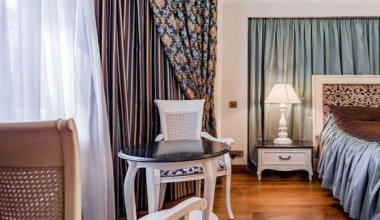
Commercial curtains are more than just window coverings—they are an integral component of interior design, functionality, and regulatory compliance for businesses. Whether you're outfitting a hotel, office, theater, or healthcare facility, the right curtains can enhance aesthetics, control light, improve acoustics, and ensure safety. This comprehensive guide explores the key considerations, fabric types, installation tips, and maintenance practices for commercial curtains, helping you make informed decisions for your space.
___PROTECTED_1___
Key Considerations for Commercial Curtains
Fire Retardancy Regulations
Fire safety is paramount in commercial settings. Curtains must comply with local fire codes, such as NFPA 701 in the United States or BS 5867 in the UK. Always verify that fabrics are labeled as flame-retardant and request certification from suppliers. Some materials are inherently fire-resistant, while others require chemical treatment. Regular re-treatment may be necessary after cleaning.
Fabric Durability and Maintenance
Commercial curtains endure heavy use, frequent cleaning, and exposure to sunlight. Choose fabrics with high abrasion resistance (e.g., minimum 20,000 rubs on the Martindale scale). Polyester blends, solution-dyed acrylics, and heavy-duty velvets are popular for their longevity. Consider easy-care materials that can withstand commercial laundering without shrinking or fading.
Light Control and Energy Efficiency
For spaces like conference rooms, hotels, and healthcare facilities, light control is critical. Blackout curtains block 99% of light, aiding sleep and reducing glare on screens. Thermal linings add insulation, lowering heating and cooling costs. Sheer curtains allow diffused light while maintaining privacy—ideal for lobbies and open-plan offices.
Acoustic Performance
In noisy environments like restaurants, open offices, or auditoriums, acoustic curtains absorb sound and reduce reverberation. Thick, dense fabrics (e.g., velvet or multi-layer acoustical panels) enhance sound absorption. Look for a Noise Reduction Coefficient (NRC) rating of 0.5 or higher for effective noise control.
Customization and Branding
Commercial curtains can reinforce brand identity. Custom colors, patterns, and logos are available through digital printing or embroidery. Work with a manufacturer that offers bespoke sizing, header styles (e.g., grommet, pleated, or ripplefold), and control systems (manual or motorized).
___PROTECTED_2___
Types of Commercial Curtain Fabrics
| Fabric Type | Key Features | Best Applications |
|---|---|---|
| Blackout Curtains | Opaque; blocks light; energy-efficient; available with thermal and acoustic coatings | Hotel bedrooms, conference rooms, cinemas |
| Sheer Curtains | Lightweight; diffuses daylight; offers privacy without blocking view | Lobbies, offices, restaurants (atmosphere) |
| Velvet Curtains | Luxurious texture; excellent sound absorption; drapes elegantly | Theaters, VIP lounges, boardrooms |
| Acoustic Curtains | High density; multi-layer; NRC rated up to 0.9 | Recording studios, open-plan offices, classrooms |
Measuring and Installation Tips for Commercial Spaces
Accurate measurements are crucial for a professional look. Use a steel tape measure, and record width and height at multiple points. For gathered curtains, multiply the track width by a fullness factor (2x to 3x for pleated; 1.5x for ripplefold). Consider hem allowances (typically 4 inches at bottom). For motorized systems, plan for power outlets and wiring. Pro tip: Always order sample swatches to test color and light transmission on-site before full production.
Care and Maintenance Best Practices
- Regular dusting: Use a vacuum with a brush attachment weekly.
- Spot cleaning: Blot stains gently with mild detergent; avoid rubbing.
- Professional cleaning: For blackout and acoustic curtains, dry clean only or use a commercial wet cleaning system.
- Fire retardancy renewal: Re-apply flame-retardant spray after 5–10 washes or as recommended by the manufacturer.
- Hardware checks: Lubricate tracks and motors annually, and inspect for wear.
Industry Application Cases
Hotels & Hospitality
Hotels require blackout curtains for guest rooms to ensure sleep quality, plus elegant sheer curtains for suites. Motorized drapes add a touch of luxury and convenience. Fire-retardant standards are non-negotiable.
Office Environments
Open-plan offices benefit from acoustic curtains that reduce noise distractions. Solar-screen fabrics minimize glare on screens while maintaining natural light. Meeting rooms often use blackout or dual-layer curtain systems for projector presentations.
Theaters & Auditoriums
Velvet drapes in deep colors enhance acoustics and create a dramatic stage setting. Fire-resistant and sound-absorbing properties are vital. Track systems allow for quick scene changes.
Healthcare Facilities
Privacy curtains in hospitals must be antimicrobial, fluid-resistant, and easy to clean. Blackout curtains help patients rest in variable-shift schedules. Cubicle curtains often feature antimicrobial coatings.
Conclusion
Selecting the right commercial curtains involves balancing aesthetics, performance, and compliance. By understanding fabric properties, installation requirements, and maintenance needs, you can create a comfortable, safe, and visually appealing environment. Whether you need light control, sound absorption, or a touch of elegance, there is a curtain solution for every commercial space. Partner with a trusted supplier for custom design and professional installation.