Imagine investing in luxurious Velvet Curtains, only to watch their rich color fade to a dull shadow within months. Fabric color fastness is the hidden quality metric that determines how well your curtains retain their vibrancy against sunlight, washing, friction, and even perspiration. For homeowners, interior designers, and purchasing managers alike, understanding color fastness is essential to making informed choices that balance beauty, durability, and cost. In this comprehensive guide, we’ll demystify fabric color fastness, explain how it’s measured, and share practical tips to preserve your fabrics’ original glory.
What Is Fabric Color Fastness?
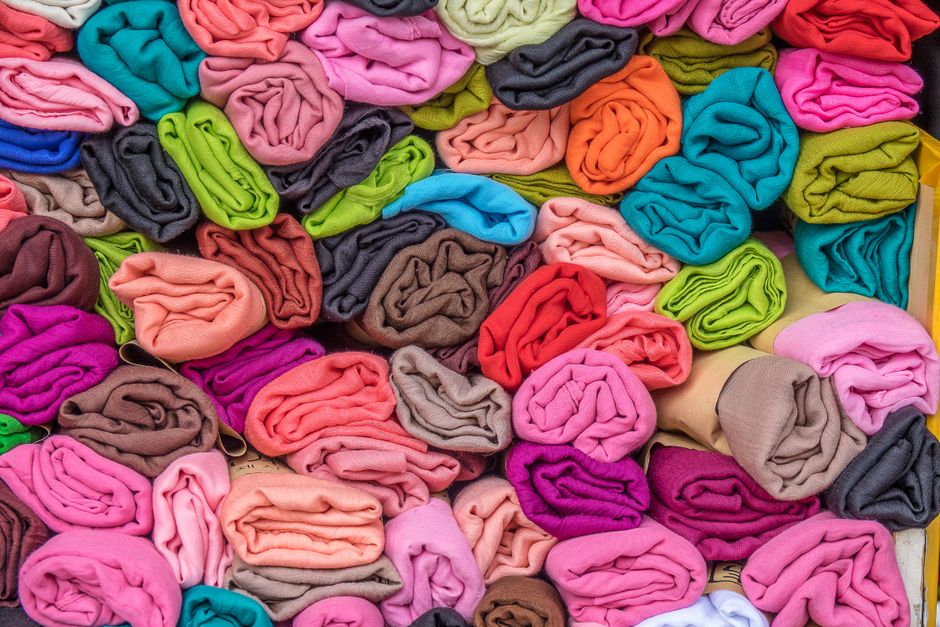
Fabric color fastness, often simply called 'colorfastness,' refers to a textile’s ability to resist fading, bleeding, or transferring color when exposed to various environmental or chemical agents. These agents include light, water, washing, rubbing, perspiration, and even atmospheric gases. A fabric with high color fastness will maintain its original shade and appearance over time, while a fabric with low color fastness will quickly lose its charm.
In the world of curtain fabrics—blackout, sheer, velvet, and acoustic—this property is non-negotiable. Curtains are constantly exposed to sunlight and are often washed or cleaned, so choosing fabrics with proven color fastness ensures your interior investment lasts.
___PROTECTED_1___
Why Color Fastness Matters for Curtain Fabrics
Color fastness directly impacts aesthetic appeal, product lifespan, and consumer satisfaction. A curtain that fades in patchy streaks not only looks unsightly but may also indicate underlying fiber degradation. For manufacturers and interior projects, poor color fastness can lead to costly returns, warranty claims, and reputational damage. For end users, it means less frequent replacements, lower environmental waste, and consistent room aesthetics over years.
Moreover, in commercial spaces like hotels, offices, and theaters, curtains are subject to daily sunlight and periodic washing. High color fastness is critical to maintaining a professional atmosphere and reducing maintenance costs.
___PROTECTED_2___
Types of Color Fastness
Color fastness is not a single property; it is a compound of several specific resistances. Each type is evaluated separately because the factors that cause fading or bleeding differ significantly.
Light Fastness
Light fastness measures a fabric’s resistance to fading when exposed to sunlight or artificial light. This is particularly crucial for curtain fabrics, as they bear the brunt of direct UV radiation. Velvet and blackout curtains often degrade faster because they are designed to block light, thereby absorbing more UV energy. Testing involves exposing samples to Xenon-arc light for specified hours and comparing the color change against a standard blue wool scale.
Washing Fastness
Washing fastness assesses how well a fabric retains its color when subjected to machine or hand washing. It measures both fading and staining of adjacent fabrics in the wash load. For curtains that need regular cleaning, especially in kitchens or smoky environments, high washing fastness prevents color from bleeding into other laundry or leaving tide marks on the curtain itself.
Rubbing Fastness
Also known as crocking fastness, this measures the transfer of color when the fabric is rubbed, either dry or wet. For velvet and other textured materials, friction from opening and closing curtains can cause dye particles to dislodge. Low rubbing fastness can result in permanent wear marks, particularly at the edges and folds.
Perspiration Fastness
Perspiration fastness is the fabric’s resistance to color change or transfer when exposed to acidic or alkaline perspiration. While more relevant to apparel, it matters for upholstery-adjacent curtain applications, such as window seat cushions or headboards. Human sweat can cause dye migration, leaving discolored patches.
Water Fastness
Water fastness indicates resistance to color loss when exposed to water alone. This is especially important for outdoor or moisture-prone areas, where rainwater ingress or condensation may come into contact with curtains. Water fastness is also a precursor to overall wash fastness.
Color Fastness Ratings Explained
Color fastness is typically rated on a numeric scale. Light fastness uses a 1 to 8 scale, whereas other tests (washing, rubbing, perspiration) use a 1 to 5 scale. Higher numbers indicate better performance. Below is a typical interpretation used across the industry.
| Rating | Light Fastness (1-8) | Washing/Rubbing (1-5) | Description |
|---|---|---|---|
| 1 | Very poor | Very poor | Rapid fading; severe color transfer |
| 2 | Poor | Poor | Significant fading; noticeable transfer |
| 3 | Moderate | Fair | Moderate fading; some transfer |
| 4 | Good | Good | Minor fading; slight transfer |
| 5 | Very good | Excellent | Minimal fading; no visible transfer |
| 6-8 | Excellent to outstanding | — | Superior light resistance; ideal for harsh sunlight |
For curtains, a light fastness of at least 5 is recommended for residential settings, while commercial spaces with large windows should aim for 6 or higher. Washing fastness of 4 or above ensures safe cleaning without immediate fading.
Factors Affecting Color Fastness
Several variables influence how well a fabric holds onto its dye:
- Fiber type: Synthetic fibers like polyester and nylon generally have higher color fastness than natural fibers like cotton and linen, especially regarding light. However, advances in dye technology have improved naturals.
- Dye composition: Reactive and vat dyes tend to offer superior fastness compared to direct or acid dyes. The chemical bond between dye and fiber determines stability.
- Dyeing method: Solution-dyed fibers—where pigment is added to the polymer before extrusion—have the highest color fastness. This is common in acoustic and blackout curtains made from synthetic materials.
- Finishing chemicals: UV absorbers and anti-oxidant finishes can dramatically boost light fastness, but they can also be washed away over time.
- Environmental exposure: Pollution, atmospheric gases like nitrogen dioxide, and high humidity can accelerate color degradation even without direct sunlight.
- Cleaning agents: Harsh detergents, chlorine bleach, and fabric softeners can strip or weaken dye bonds, reducing fastness over repeated washes.
How to Test Color Fastness at Home
While professional lab testing is definitive, you can perform a few simple check tests before committing to a fabric:
- Damp cloth rub test: Take a white damp cloth and rub it firmly against a small, inconspicuous corner of the curtain. If color transfers to the cloth, rubbing fastness is poor.
- Sun exposure test: Place a sample in a sunny window, cover half with black cardstock, and leave for two weeks. Compare the exposed and unexposed areas. Any visible line indicates inadequate light fastness.
- Wash test: Cut a 2-inch square and sew it to a white cotton handkerchief. Wash with regular detergent in a gentle cycle. If the white fabric is stained or the sample fades, washing fastness is subpar.
- Water droplet test: Drop a few drops of water onto the fabric and blot with a white tissue. If the tissue picks up color, water fastness is low.
Remember that these tests are indicative, not certified. Always request manufacturer specifications for critical installations.
Practical Tips for Maintaining Fabric Color
Even the most colorfast fabric benefits from proper care. Here’s how to extend the life of your curtains:
- Use window film or UV-protective glass: Reduce UV exposure by up to 99% without sacrificing natural light.
- Rotate curtains seasonally: If you have two sets, swapping them distributes light exposure evenly.
- Avoid direct contact with heat sources: Radiators and heating vents can accelerate dye degradation. Keep a gap between the curtain and heat.
- Wash gently and sparingly: Wash only when necessary, using cold water and a mild detergent. Skip bleach and fabric softeners.
- Air dry out of direct sunlight: Line drying exposes fabric to UV. Dry indoors or in shade whenever possible.
- Vacuum regularly: Dust and pollutants can embed in fibers and interact with dyes. Use a brush attachment on low suction.
- Steam over iron: Steaming refreshes the fabric without the mechanical stress of an iron, which can cause surface dye loss.
- Store properly: When storing spare curtains, keep them in a dark, cool, acid-free environment to prevent yellowing and fading.
How to Choose High-Fastness Fabrics
Whether you’re a designer or a homeowner, selecting the right fabric requires a systematic approach:
- Look for solution-dyed synthetic fabrics: They are inherently fade-resistant and perfect for blackout and acoustic curtains. Polyester and acrylic are excellent choices.
- Check fiber content: For naturales like cotton or linen, ensure they are blended with synthetics or treated with anti-UV finishes.
- Request test data: Reputable manufacturers provide ISO or AATCC test reports. For curtains, ask for ISO 105-B02 (light fastness) and ISO 105-C06 (washing fastness).
- Consider the environment: If the room receives harsh afternoon sun, prioritize light fastness ratings above 6. For bathrooms or kitchens, prioritize water and wash fastness.
- Sample before bulk purchase: Always test a large sample under the actual room conditions for at least a week.
Industry Standards and Regulations
Globally, color fastness is standardized under ISO (International Organization for Standardization) and AATCC (American Association of Textile Chemists and Colorists). Key standards include:
- ISO 105-B02: Color fastness to artificial light (Xenon arc).
- ISO 105-C06: Color fastness to domestic and commercial laundering.
- ISO 105-X12: Color fastness to rubbing.
- ISO 105-E04: Color fastness to perspiration.
- ASTM D5034: For breaking strength, often correlated with dyeing robustness.
For curtains sold in the EU, adherence to REACH regulations ensures that dyes do not release hazardous amines. In the US, CARB and CPSIA guidelines may apply to specific end uses. Always verify that your supplier’s certifications align with your target market.
Conclusion
Fabric color fastness is not a luxury; it is a functional necessity for any curtain fabric that promises longevity. Whether you choose the dramatic opacity of blackout curtains, the airy elegance of sheers, the plush depth of velvet, or the sound-dampening versatility of acoustic fabrics, prioritizing color fastness will protect your visual investment and ensure satisfaction for years. By understanding the ratings, testing fabrics, and adopting mindful care routines, you can keep every drape vibrant and every room stunningly intact.
Next time you shop for curtains, ask the supplier: “What is your color fastness rating?” That simple question could save you from a world of faded disappointment.