Understanding Fabric Abrasion Resistance
When choosing fabrics for upholstery, curtains, or acoustic panels, one of the most critical factors is fabric abrasion resistance. This property determines how well a textile can withstand surface wear from rubbing, friction, and everyday use. In simple terms, abrasion resistance measures a fabric's ability to resist tearing, thinning, or pilling when it comes into contact with another surface. For high-traffic areas like hotel lobbies, offices, or family living rooms, selecting a fabric with high abrasion resistance can dramatically extend its lifespan and appearance.
Fabric abrasion resistance is not just about durability; it also affects the aesthetic qualities of the fabric. A fabric that pills or fades from friction loses its color vibrance and smooth texture, making it look worn out long before it actually fails. Therefore, understanding how abrasion resistance is tested, what ratings mean, and which fabrics perform best is essential for both manufacturers and consumers. In this guide, we take an in-depth look at the science behind abrasion resistance, how to evaluate it, and how to choose the best fabric for your specific needs.
___PROTECTED_1___
How Is Fabric Abrasion Resistance Tested?
There are several standardized test methods used across the textile industry to measure abrasion resistance. The two most common are the Martindale and Wyzenbeek tests. Both simulate the effect of repeated rubbing or wear, but they use different motions and equipment.
Martindale Test
The Martindale method subjects a circular sample of fabric to a rubbing motion that follows a Lissajous curve, which creates a multidirectional pattern of wear. The fabric is rubbed against a standard wool abradant under a specified pressure until it shows visible wear, usually a thread break or a hole. The result is expressed as the number of rubs (cycles) completed before the fabric fails. A higher number indicates greater abrasion resistance.
Wyzenbeek Test
The Wyzenbeek method uses a back-and-forth linear rubbing motion, often called a 'rub test.' A cotton duck fabric is rubbed across the sample in a straight line until the fabric fails, typically after a certain number of double rubs. This test is popular in the United States, while the Martindale test is more common in Europe and other parts of the world.
Both tests have their limitations. Abrasion resistance can vary depending on the type of abradant, the pressure applied, and the condition of the fabric. However, they provide reliable comparative data when choosing between different materials. Always check which test method a manufacturer uses, as ratings are not directly interchangeable. For instance, a fabric with a Martindale rating of 30,000 cycles might roughly equate to a Wyzenbeek rating of 15,000 double rubs, though this varies.
___PROTECTED_2___
Abrasion Resistance Ratings and What They Mean
Abrasions resistance ratings are generally categorized by usage intensity. For the Martindale test, the following are common benchmarks:
| Martindale Cycles | Recommended Use |
|---|---|
| 10,000 – 15,000 | Light domestic use – curtains, occasional chairs |
| 20,000 – 30,000 | General domestic use – sofas, dining chairs |
| 30,000 – 50,000 | Heavy domestic use – family rooms, pet areas |
| 50,000 – 100,000+ | Commercial use – offices, hotels, public spaces |
For the Wyzenbeek test, categories often align similarly: 15,000+ double rubs for domestic, and 30,000+ for commercial. However, these are simply guidelines. The final choice should consider the actual application and expected wear.
Abrasion Resistance by Fabric Type
Different types of curtain and upholstery fabrics have vastly different abrasion resistance properties. Let's examine the most common categories.
Blackout Fabrics
Blackout fabrics are designed to block light and provide privacy. They are typically made from polyester, which offers good abrasion resistance, or from cotton blends that may be less durable. The coating used in blackout fabrics (often acrylic or polyurethane) can affect abrasion resistance. High-quality blackout fabrics usually have a Martindale rating of 20,000 cycles or more, making them suitable for daily use in windows and sliding doors. However, repeated friction from opening and closing curtains can still cause surface wear, especially on the coated side. If you need blackout curtains for a commercial space, look for fabrics labeled 'heavy-duty' or 'commercial grade.'
Sheer Fabrics
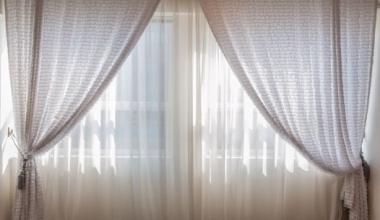
Sheer fabrics are lightweight and translucent, often used for elegant window treatments. Because of their delicate construction, they naturally have lower abrasion resistance than heavier fabrics. Typical sheers, such as voile, organdy, or lace, may have only 5,000 to 10,000 Martindale cycles. They are not suitable for high-traffic areas or frequent handling. However, sheer fabrics made from synthetic fibres like polyester or nylon can be more abrasion-resistant than natural silks or cottons. When using sheers, it is best to keep them away from abrasive surfaces and direct friction, such as pets or children rubbing against the fabric.
Velvet Fabrics
Velvet is prized for its luxurious softness and rich depth of color. But not all velvets perform equally in terms of abrasion resistance. Traditional silk velvet is very delicate and has low abrasion resistance, making it suitable only for decorative pieces. Polyester and nylon velvet, on the other hand, are much more durable and can withstand heavy use. Cotton velvet is somewhere in between. A good quality polyester velvet can achieve 30,000 Martindale cycles or more, making it suitable for upholstery in busy living rooms. The pile height and density also matter: a tightly woven, low-pile velvet is more abrasion-resistant than a loose, high-pile one.
Acoustic Fabrics
Acoustic fabrics are used to cover sound-absorbing panels in offices, theaters, and recording studios. These fabrics are often made from polyester, which is highly durable and resistant to abrasion. Acoustic fabric manufacturers usually specify abrasion resistance because the panels are frequently touched or brushed against. High-quality acoustic fabrics can exceed 50,000 Martindale cycles, making them ideal for public spaces. Some acoustic fabrics are also treated with special finishes to enhance stain resistance and further protect against wear. When choosing acoustic fabrics, always check the abrasion rating if the panels will be installed in hallways or areas with heavy foot traffic.
What Affects Fabric Abrasion Resistance?
Several factors determine how well a fabric resists rubbing and wear. Understanding these factors helps you make better purchasing decisions.
Fiber Type
Synthetic fibers like polyester, nylon, and polypropylene generally have higher abrasion resistance than natural fibers like cotton, wool, silk, or linen. This is because synthetics are stronger and more elastic, allowing them to cushion against friction without breaking. Wool has moderate abrasion resistance but can be prone to pilling. Silk is the weakest in this regard. Blends can offer a balance: for instance, a polyester-cotton blend often combines the durability of polyester with the comfort of cotton.
Weave and Construction
The way a fabric is woven or knitted affects its resistance to wear. Tightly woven fabrics, such as twill, canvas, or oxford, have greater abrasion resistance than loose weaves like gauze or other open constructions. The number of threads per inch and the yarn's twist also play a role. Higher thread density means more material to absorb friction. Additionally, woven fabrics generally outperform knitted fabrics in abrasion resistance because the interlocking loops of knits are more easily snagged.
Finishes and Coatings
Textile finishes can significantly enhance abrasion resistance. For example, a lamination or coating applied to blackout fabrics can protect the surface. Anti-pilling finishes reduce the formation of small, tangled balls of fiber on the surface. Other treatments like silicone or Teflon coatings can make the fabric smoother, reducing friction. However, some coatings can crack or wear off over time, reducing the fabric's effective resistance. Always ask about the quality and durability of any finish.
How to Choose the Right Abrasion-Resistant Fabric
When buying fabric for your next project, here is a practical checklist based on abrasion resistance:
- Identify the application: Is it for residential or commercial use? Will it be subject to constant friction from people, pets, or furniture movement?
- Check the abrasion rating: Look for Martindale or Wyzenbeek numbers in the product specifications. For sofas in a family room, a minimum of 20,000 Martindale cycles is recommended. For commercial spaces, aim for 30,000+.
- Consider the fiber: Choose synthetic fibers or blends if durability is a top priority. If you prefer natural fibers, look for tightly woven cotton or wool blends.
- Test the fabric yourself: Rub a small sample between your fingers or against a rough surface to see how it responds. Some online retailers offer swatches; take advantage of this.
- Ask about finishes: Inquire if the fabric has any protective or anti-pilling treatments. Keep in mind that some finishes may alter the hand or appearance.
- Balance aesthetics and function: A fabric may have a low abrasion rating but be perfect for a decorative accent that won't see much wear. Use durable fabrics in high-touch areas and reserve delicate fabrics for visual pieces.
Practical Tips for Extending Fabric Life
Even the most abrasion-resistant fabric can degrade if it is not cared for properly. Follow these tips to maximize the lifespan of your textiles:
- Rotate cushions and pillows: This distributes the wear across different areas, preventing one spot from becoming overly worn.
- Use throw covers: In high-traffic zones, consider adding washable covers or throws to protect the fabric underneath.
- Clean routinely: Dust and grit act as abrasives. Vacuum upholstery and curtains regularly with a soft brush attachment to remove particles that can accelerate wear.
- Avoid direct sunlight: UV rays can weaken fibers and make them more brittle, increasing abrasion damage. Use sheers or window film to filter light.
- Handle curtains gently: When opening or closing curtains, pull them by the edges rather than grabbing the fabric in clumps. This reduces friction on the weave.
- Trim pet claws: Pets can be a major source of abrasion. Keep their nails trimmed to minimize snagging and scratching.
Industry Applications and Case Studies
Abrasion resistance is a critical specification across many industries. Here are a few real-world examples where choosing the right fabric makes a significant difference.
Contract Upholstery in Hotels
Hospitality environments demand fabrics that can withstand constant guest use. A major hotel chain might specify that all lounge chairs in public areas have a Martindale rating of at least 40,000 cycles. In a case study, a hotel in New York selected a solution-dyed polyester velvet for its lobby seating. After three years of high traffic, the chairs showed minimal signs of pilling or fraying, and the color remained vibrant. The fabric's high abrasion resistance also reduced maintenance costs.
Acoustic Panels in Offices
Open-plan offices use acoustic panels to reduce noise levels. These panels are often installed at desk height where employees may lean against them. A top manufacturer of acoustic panels uses a warp-knit polyester fabric with a Martindale rating of 60,000 cycles. This ensures that even with daily contact from employees and cleaning machinery, the panels keep their pristine look. The fabric's abrasion resistance was a key selling point in their marketing.
Theatrical Curtains
Stage curtains in theaters and performance halls are opened silently. Constant resetting and rubbing against curtain tracks and rings create friction at the fold lines. Durable blackout linens are often used to protect the main curtain. In a professional theater renovation, the crew selected a blackout fabric with a polyurethane coating and a Martindale rating of 25,000 cycles. This fabric lasted over a decade before showing signs of thinning at pleats, significantly exceeding the previous velvet curtain's lifespan.
Conclusion
Fabric abrasion resistance is not a single number but a combination of fiber, construction, and finish. By understanding test methods and ratings, you can make informed decisions that save money and frustration in the long run. Whether you are buying blackout curtains for a bedroom, sheer drapery for a dining room, velvet upholstery for an office chair, or acoustic fabric for a conference room, always check the abrasion resistance and match it to the expected wear. When in doubt, choose a higher rating, especially for commercial or high-traffic residential spaces. A durable fabric is an investment that pays off through years of beauty and functionality.