When selecting fabrics for curtains, upholstery, or acoustic panels, one property often takes precedence over aesthetics: flame retardancy. Whether you are outfitting a commercial theater, a luxury hotel, or a family living room, understanding how fabric flame retardancy works is critical to safety and regulatory compliance. This comprehensive guide dives deep into the science, standards, and practical applications of flame retardant fabrics, helping you make informed decisions for your next project.
What Does Fabric Flame Retardancy Mean?
Fabric flame retardancy refers to the ability of a textile to resist ignition, slow the spread of flames, or self-extinguish when the ignition source is removed. It is important to distinguish between flame retardant (FR) and flame resistant. Flame retardant fabrics are chemically treated or manufactured to reduce flammability, while flame resistant fabrics are inherently resistant due to the fiber's molecular structure. In the curtain and upholstery world, most materials are flame retardant through chemical additives or specialized coatings.
Flame retardancy is not a single property but a spectrum. It depends on the fiber content, fabric weight, weave structure, and the type of finish applied. For example, a lightweight sheer may behave differently than a heavy velvet, even with similar treatments. That is why standardized testing is essential.
___PROTECTED_1___
Key Flame Retardancy Standards and Certifications
To ensure safety across different environments, various countries and industries have established testing protocols. The most common standards include:
- NFPA 701 – A US standard for flame propagation of textiles and films used in public buildings. It includes two test methods: Method 1 for fabrics less than 700 g/m², and Method 2 for heavier fabrics.
- BS 5867 – A British standard specifically for curtains and drapes, with Type B and Type C requirements for vertical flame spread and afterglow.
- EN 13773 – European standard for curtains and drapes, classifying fabrics into C1 (easy to ignite) to C4 (difficult to ignite).
- ASTM E84 – Measures surface burning characteristics of materials, often used for wall coverings and acoustic panels.
- California TB 117 – A US state standard for upholstered furniture, now updated to TB 117-2013, which focuses on smolder resistance.
It is critical to verify which standard applies to your region and application. For example, a hotel in the UK might require BS 5867, while a US-based event venue may accept NFPA 701. Always ask your supplier for the relevant test reports.
___PROTECTED_2___
Why Flame Retardancy Matters in Curtain and Upholstery Fabrics
Curtains and upholstery are significant contributors to fire spread in buildings. A flame can quickly climb a set of draperies and ignite the ceiling, while foam in upholstered furniture can release toxic gases. Flame retardant fabrics provide valuable precious minutes for occupants to evacuate and for fire services to respond. In high-occupancy spaces such as theaters, schools, hospitals, and hotels, flame retardancy is not optional – it is a legal requirement.
Beyond compliance, flame retardant fabrics offer peace of mind for residential use. Families with children, elderly members, or those who use candles and fireplaces can benefit immensely from FR-treated curtains. Moreover, many acoustic panels used in offices and studios now utilize FR fabrics to meet building codes without compromising on sound absorption.
How Flame Retardant Treatments Work
Flame retardant mechanisms can be categorized into chemical and physical actions:
- Endothermic decomposition – Some additives release water vapor when heated, cooling the fabric below ignition temperature.
- Gas dilution – Non-flammable gases like CO2 are released, diluting oxygen around the fabric.
- Char formation – Certain compounds promote the formation of a carbon layer that insulates the underlying fiber and prevents fuel release.
- Free radical quenching – Halogen-based or phosphorus-based compounds interfere with the flame's chemical chain reactions.
There are two ways to apply flame retardancy:
Inherent Flame Retardancy
Certain fibers are naturally flame resistant, including modacrylic, PVC (vinyl), and meta-aramid. These fibers have a high limiting oxygen index (LOI) and do not require chemical treatment. Fabrics made from these fibers are durable and do not lose their FR properties over time, even after washing. However, they can be more expensive and have a different handfeel.
Chemical Topical Treatments
Most conventional curtain fabrics (polyester, cotton, blends) can be treated with a flame retardant finish. The treatment is applied either by spraying, padding, or immersion during the finishing process. Topical treatments are effective, but they can be affected by laundering, dry cleaning, and UV exposure. It is crucial to follow care instructions to maintain the FR rating.
Flame Retardant Fabric Types: Blackout, Sheer, Velvet, and Acoustic
At our website, we specialize in four main fabric categories. Each has unique considerations for flame retardancy.
Blackout Fabrics
Blackout curtains have a dense weave or a special coating that blocks light. To make them flame retardant, manufacturers often incorporate FR additives into the coating. However, some coated fabrics can produce toxic fumes under fire. Look for water-based, eco-friendly FR coatings that meet your local standards. Blackout fabrics should be tested with the coating intact, as the coating may alter flammability.
Sheer Fabrics
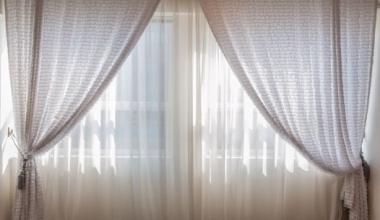
Sheer fabrics are lightweight and often made of polyester or linen blends. Their low mass can make them easy to ignite, so a high-quality FR treatment is essential. Sheer curtains are usually tested under NFPA 701 (method 1) or BS 5867 Type B. When choosing sheers, verify that the treatment is durable and does not yellow over time.
Velvet Fabrics
The plush pile of velvet can trap heat and potentially accelerate fire if not treated. Flame retardant velvets are typically made from polyester or modacrylic blends. The treatment must be applied carefully to avoid affecting the pile's texture. Always ask for a sample and test how the velvet drapes after treatment. Some velvets have a water-resistant backing that also affects flame behavior, so confirm the complete composite meets the standard.
Acoustic Fabrics
Acoustic panels are widely used in offices, auditoriums, and recording studios. The fabric cover must be acoustically transparent and flame retardant. Most acoustic fabrics are woven from polyester or fiberglass. Fiberglass is inherently non-flammable, but polyester needs treatment. Ensure the fabric is tested together with the acoustic substrate (e.g., foam or polyester batting) because the assembly may burn differently.
Tips for Choosing Flame Retardant Fabrics
- Always request certifications – Obtain the actual test report, not just a supplier claim. Verify the test method and date.
- Consider the end-use environment – A residential sofa may only need TB 117, while a stage curtain needs NFPA 701 or BS 5867.
- Ask about durability – Will the FR property last after 10 cycles of washing or dry cleaning? Check the label.
- Take the assembly into account – If you are pairing fabric with foam backing or a liner, the entire assembly may need testing.
- Balance safety with aesthetics – Some FR treatments can affect luster, texture, or breathability. Choose a supplier that offers a wide range of finishes.
- Think about maintenance – For hard-to-clean items like blackout curtains, a topical treatment may be less practical than an inherent FR fiber.
Care and Maintenance for FR Fabrics
To preserve fabric flame retardancy, proper care is non-negotiable. Here are practical guidelines:
| Fabric Type | Care Method | Effect on FR |
|---|---|---|
| Blackout (coated) | Spot clean with mild detergent; avoid washing | Washing can degrade coating and FR properties |
| Sheer (topical treatment) | Hand wash cold, air dry; do not bleach | Re-treatment may be needed after multiple washes |
| Velvet (pile) | Professional dry cleaning only | Dry cleaning preserves FR if using the right solvent |
| Acoustic (polyester) | Vacuum regularly; occasional dry clean | Inherent FR polyester is more stable |
Always check the manufacturer's care label. If a fabric has a topical FR finish, avoid washing it more frequently than necessary. Over time, UV light and contaminants can reduce effectiveness, so periodic re-testing is recommended for commercial installations.
Industry Applications and Case Studies
Hospitality: Hotel Curtains
A five-star hotel chain switched from untreated polyester to an inherently flame retardant modacrylic blend for their guest room curtains. This change eliminated the need for re-treatment after every cleaning, reduced maintenance costs, and improved fire safety. The hotel also met the local fire code with ease.
Theater and Stage
A community theater required full-stage curtains that complied with NFPA 701. They chose a heavyweight blackout velvet with a built-in FR treatment. The velvet provided excellent light leakage control and stood up to many years of use, maintaining its FR rating without re-treatment.
Office Acoustic Panels
A corporate office installed acoustic wall panels in an open-plan area. The panels were covered with a polyester acoustic fabric that had been tested to ASTM E84 with a Class A rating. This not only improved the office's sound environment but also satisfied the building inspector's fire safety requirements.
Conclusion
Fabric flame retardancy is a complex but vital aspect of interior textiles. From the chemistry of treatments to the nuances of different fabric types, understanding these principles helps you make safer choices. Whether you are a designer specifying fabrics, a building manager replacing curtains, or a homeowner wanting peace of mind, always prioritize certified FR fabrics and follow care instructions. By doing so, you protect property and lives while maintaining the beauty and functionality of your space.