Fabric shrinkage is one of the most common concerns when purchasing and caring for curtains and drapery. Whether you're working with blackout linings, delicate sheers, luxurious velvet, or high-performance acoustic fabrics, understanding how shrinkage works can save you from costly mistakes and ensure a perfect fit. This comprehensive guide covers everything you need to know about fabric shrinkage—from causes and measurement methods to prevention strategies and industry best practices.
What Is Fabric Shrinkage?
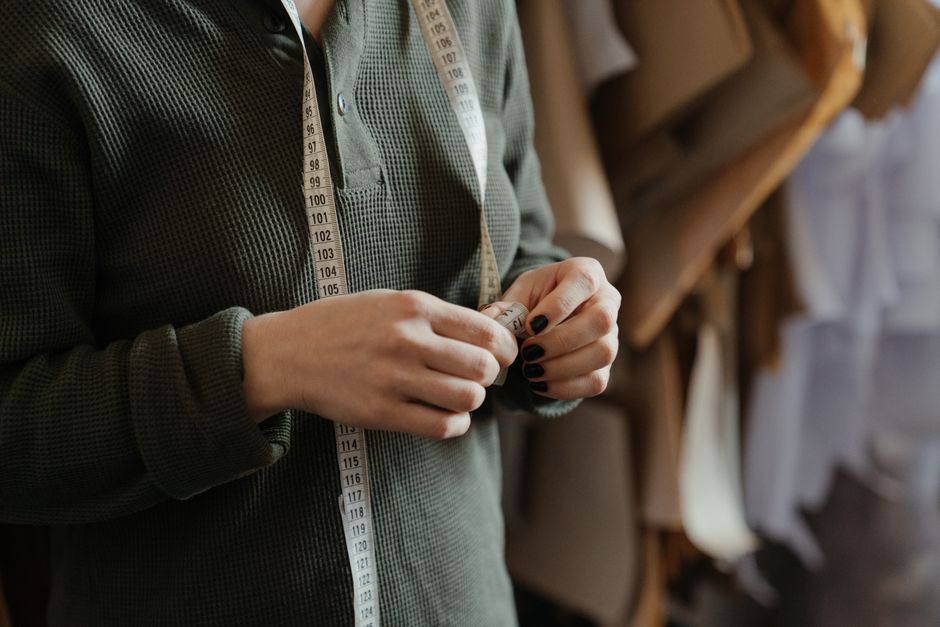
Fabric shrinkage is the reduction in the dimensions of a textile when it is washed, dried, steamed, or exposed to moisture and heat. It occurs when the fibers in the yarn relax or tighten due to the release of tension created during manufacturing. Shrinkage is typically expressed as a percentage of the original dimensions—for example, a fabric that shrinks 3% will lose 3 cm for every 100 cm of fabric.
For curtain fabrics, even small amounts of shrinkage can result in uneven hems, misaligned seams, and wrinkles that never disappear. That's why professional interior designers and workrooms always account for shrinkage before cutting and sewing.
___PROTECTED_1___
Why Do Fabrics Shrink?
Several factors contribute to fabric shrinkage:
- Fiber composition: Natural fibers like cotton and linen shrink more than synthetics like polyester or nylon.
- Weave and knit density: Loosely woven fabrics tend to shrink more than tightly woven ones.
- Fabric finishing: Some finishes (e.g., resin or anti-wrinkle) are applied to reduce shrinkage, while others leave the fabric vulnerable.
- Manufacturing tension: Yarns are stretched during spinning and weaving. When wet or heated, they relax and return to their natural state, causing the fabric to shrink.
- Washing and drying conditions: Hot water, high dryer heat, and agitation accelerate shrinkage.
- Steaming and ironing: Excessive steam or a hot iron can also cause shrinkage, especially in delicate fabrics.
___PROTECTED_2___
Shrinkage Rates by Fabric Type
Different fabrics have different shrinkage behaviors. The table below shows typical shrinkage ranges for common curtain fabrics when washed in warm water and tumble-dried on medium heat.
| Fabric Type | Typical Shrinkage % | Notes |
|---|---|---|
| Cotton and linen | 3–5% | High shrinkage if not pre-shrunk |
| Cotton/polyester blends | 2–3% | More stable than 100% cotton |
| Polyester (including blackout) | 0.5–1% | Very low shrinkage |
| Velvet (cotton or viscose) | 2–4% | Shrinks more if crushed or pressed |
| Silk | 1–2% | Often dry-clean only |
| Wool and wool blends | 2–5% | Felts if washed in hot water |
| Acoustic (polyester felt) | 0.5–1% | Very stable, but may shrink at edges |
Blackout Fabrics and Shrinkage
Blackout fabrics are designed to block light and are often made with multiple layers, including a foam or acrylic backing. This backing can affect shrinkage. High-quality blackout fabrics made from 100% polyester typically have minimal shrinkage (less than 1%). However, some blackout fabrics with cotton or linen faces are more prone to shrinking.
Practical Tips for Blackout Fabrics
- Look for the label “pre-shrunk” or “locked” to ensure stability.
- Avoid high-heat drying, which can melt the backing or cause delamination.
- If the face is natural fiber, expect higher shrinkage and plan accordingly.
Sheer Fabrics and Shrinkage
Sheer curtains made from polyester, nylon, or voile generally shrink very little, but they can distort if twisted or wrung out. Natural fiber sheers, such as cotton voile or linen gauze, may shrink more and require gentle handling.
Practical Tips for Sheer Fabrics
- Wash sheer fabrics on a delicate cycle with cold water.
- Do not spin dry; instead, hang them to drip dry.
- Steam rather than iron to remove wrinkles and avoid pressure.
Velvet Fabrics and Shrinkage
Velvet is a luxurious fabric that requires special care. Its pile construction makes it vulnerable to crushing and shrinking. Cotton and viscose velvets can shrink significantly if washed improperly, while polyester velvet is more stable.
Practical Tips for Velvet
- Always test a small swatch before washing the entire curtain.
- Use cold water and a gentle cycle, or hand-wash if possible.
- Never wring or twist; lay flat or hang to dry.
- Steam velvet on low heat to refresh, avoiding direct contact with the iron.
Acoustic Fabrics and Shrinkage
Acoustic fabrics used for soundproofing panels and curtains are typically made from polyester felt or recycled materials. They are highly dimensionally stable, but they can shrink slightly at the edges if exposed to high moisture and heat. This is usually negligible, but some acoustic fabrics with cotton content may require pre-shrinking.
Practical Tips for Acoustic Fabrics
- Check the technical datasheet for shrinkage values.
- If seaming panels, allow extra fabric for potential shrink at edges.
- Clean with a dry or lightly damp cloth instead of washing.
How to Pre-Shrink Fabric Before Sewing
Pre-shrinking, also known as pre-washing, is a critical step before sewing curtains. It ensures that the fabric will not shrink after the curtains are installed. Here's a step-by-step method:
- Cut off a small swatch first to test the fabric's reaction to water.
- Wash the fabric in the same way you plan to clean the finished curtains (same temperature and cycle).
- Dry the fabric using the same method (tumble dry, line dry, etc.).
- Iron or steam the fabric to remove wrinkles.
- Measure the fabric before and after to calculate the exact shrinkage percentage.
For fabrics that are not pre-washable (e.g., dry-clean only), consider steam shrinking using a handheld steamer or hanging the fabric in a steamy bathroom.
Preventative Care Tips to Minimize Shrinkage
Washing
- Use cold or lukewarm water instead of hot.
- Choose a gentle cycle with low agitation.
- Only wash curtains when necessary; frequent washing accelerates shrinkage.
Drying
- Hang-dry heavy or delicate fabrics instead of tumble drying.
- If using a dryer, select a low-heat setting and remove while slightly damp.
- Avoid over-drying, which can set shrinkage and weaken fibers.
Steaming and Ironing
- Use a steam iron on low heat for most fabrics.
- For velvet, use a dedicated steam brush or hold the iron away from the pile.
- Always test a hidden area first.
Humidity and Moisture
- Keep curtains away from damp windows or walls.
- Use a dehumidifier in rooms with high humidity.
- If curtains get wet, dry them slowly and evenly to avoid uneven shrinkage.
How to Measure and Calculate Shrinkage
Understanding how to measure shrinkage helps you choose the right fabric and plan your yardage. Follow these steps:
- Mark a 100 cm x 100 cm section on the fabric.
- Wash and dry according to care instructions.
- Measure the new dimensions (e.g., 97 cm x 96 cm).
- Calculate shrinkage percentage: ((original – after) / original) x 100. For width and length separately.
For example, if the length goes from 100 cm to 96 cm, shrinkage is 4%. You would then order 4% extra length.
Allowance Tip
For curtains, add 3–5% extra fabric to account for shrinkage, plus additional for hems and seams. This is especially important for natural fiber fabrics.
Industrial and Commercial Application Cases
Hotel and Hospitality Curtains
Large hotel chains require curtains that maintain their appearance after frequent laundering. Many now specify 100% polyester blackout fabrics with a shrinkage rate below 1% to ensure consistent fit and color. The use of pre-shrunk validation tests is standard in bulk orders.
Office Acoustic Panels
Acoustic fabric panels installed in offices must meet strict fire and acoustic ratings. Shrinkage is a critical factor because even a few millimeters can expose the acoustic backing and create gaps. Manufacturers often use woven polyester with a non-shrink finish to guarantee dimensional stability.
Theatrical and Backstage Drapery
Stage curtains made from velvet or heavy cotton can shrink after a single wash. Professional theatrical rigs use pre-shrunk fabric and reinforced hems to withstand repeated use. Many venues have adopted flame-retardant treatments that can affect shrinkage, so they test after chemical treatments.
Buying Guide: Questions to Ask Your Supplier
Before purchasing curtain fabric, ask your supplier these key questions to avoid shrinkage surprises:
- What is the fabric's exact shrinkage percentage, and how was it tested?
- Has the fabric been pre-shrunk, and is it certified?
- What care instructions are recommended to minimize shrinkage?
- Are there any specific environmental conditions (humidity, temperature) that will affect the fabric?
- Can you provide a sample swatch for home test washing?
Also, always request the technical datasheet if you're buying for a commercial project. It should list shrinkage values based on ISO or AATCC standards.
Conclusion
Fabric shrinkage is a manageable factor when you understand the science behind it and take proactive steps. Whether you're sewing your own curtains or sourcing fabric for a large hotel project, always account for shrinkage during the planning phase. Use the tips in this guide, test your materials, and communicate clearly with suppliers. By doing so, you'll create beautiful, long-lasting curtains that maintain their fit and appearance wash after wash.
Ready to find shrinkage-resistant blackout, sheer, velvet, or acoustic fabrics? Explore our collection of pre-shrunk, high-performance curtain materials and ensure flawless results for your next project.