velvet drapes bring an unmatched sense of luxury and warmth to a dining room. Their plush texture, rich color depth, and excellent draping qualities make them a favorite for creating an intimate, upscale dining atmosphere. This comprehensive guide covers everything you need to know about selecting, styling, and caring for Velvet Curtains in your dining space.
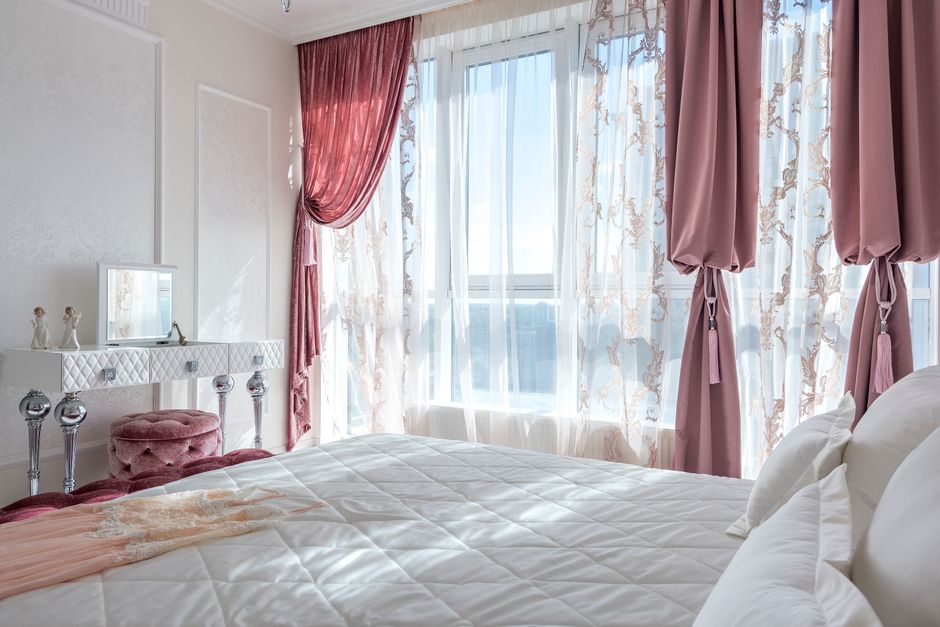
Why Velvet is Ideal for Dining Rooms
Velvet is more than just a beautiful fabric; it offers practical benefits that enhance the dining experience. Its dense weave provides natural insulation, helping to regulate room temperature and reduce outside noise – perfect for lively dinner parties. The fabric's light-absorbing properties also minimize glare on tableware, creating a soft, flattering ambiance. Additionally, velvet's weight ensures it hangs elegantly without sagging, maintaining clean lines that complement formal dining furniture.
___PROTECTED_1___
Types of Velvet for Curtains
Not all velvets are created equal. Understanding the fiber content helps you choose the right balance of aesthetics, durability, and maintenance.
Silk Velvet
The most luxurious option, silk velvet has a natural sheen and extremely soft hand. It drapes beautifully but is expensive, delicate, and susceptible to sunlight fading. Best for formal dining rooms with minimal direct sun exposure.
Cotton Velvet
A more durable and breathable choice, cotton velvet offers a matte finish and good drapability. It's easier to clean than silk and works well in family dining spaces. Choose tightly woven cotton velvet for better body and longevity.
Polyester Velvet
Modern polyester velvets mimic the look and feel of natural fibers while offering superior stain resistance, colorfastness, and affordability. They are often blended with spandex for stretch recovery. Perfect for high-traffic dining rooms or homes with children.
Rayon Velvet
Rayon provides a soft, silky hand at a lower cost than silk. However, it may wrinkle more easily and requires careful cleaning. Suitable for occasional or seasonal use.
| Type | Luster | Durability | Light Blocking | Care Level |
|---|---|---|---|---|
| Silk Velvet | High | Low | Medium | Dry clean only |
| Cotton Velvet | Low-Matte | Medium-High | High | Machine washable (gentle) |
| Polyester Velvet | Medium | High | High | Machine washable |
| Rayon Velvet | Medium-High | Medium | Medium | Dry clean recommended |
___PROTECTED_2___
Choosing Colors and Patterns
Dining room velvet drapes should complement your decor and set the mood. Rich jewel tones like emerald, sapphire, and burgundy create a formal, opulent feel. Deep navy or charcoal exude modern sophistication. For a lighter, airier room, consider blush, champagne, or steel blue. Patterns like damask or floral can add visual interest but should be used sparingly to avoid overwhelming the space. Always request fabric samples to see how colors change under different lighting throughout the day.
Measuring and Sizing
Proper sizing ensures velvet drapes hang flawlessly. For a luxurious look, choose curtains that extend from ceiling to floor, with a length that just kisses the floor or puddles slightly. Width should be at least 2 times the window width for adequate fullness when closed. For functional drapes, allow 2.5 to 3 times fullness. Consider stack back width when open – velvet drapes are bulky, so ensure enough wall space.
Lining Options
Most velvet curtains benefit from lining, especially in dining rooms where light control and insulation matter.
- Blackout lining: Blocks nearly all light, ideal for evening dining and preventing fabric fading.
- Thermal lining: Adds insulation to reduce drafts and energy costs.
- Decorative lining: A contrasting color or pattern adds a tailored finish when curtains are open.
Lining also protects velvet from dust and moisture, extending its life.
Caring for Velvet Drapes
Velvet requires gentle care to maintain its pile and luster.
- Regular dusting: Use a soft brush attachment on your vacuum weekly to remove dust.
- Spot cleaning: Blot spills immediately with a clean cloth; avoid rubbing. Use a fabric-safe cleaner.
- Steaming: A handheld steamer removes wrinkles and refreshes the pile. Hold at a distance to avoid water spots.
- Professional cleaning: For deep cleaning, dry clean or use a specialist cleaning service for delicate velvets.
Never wring or twist velvet. Hang to dry away from direct heat.
Installation and Pleating
Velvet's weight requires sturdy hardware. Use heavy-duty curtain rods or tracks, with brackets anchored into wall studs. Common pleat styles for dining room velvet include:
- Pinch pleats: Classic, structured, suits formal decor.
- Eyelet rings: Modern, easy to slide, good for lighter velvets.
- Rod pocket: Casual, but may cause bunching; best for lightweight velvet.
Consider motorized tracks for convenience, especially with heavy drapes.
Pairing Velvet with Dining Room Decor
Velvet drapes should harmonize with other textiles. Pair them with a linen tablecloth for contrast, or match upholstered dining chairs in velvet for a cohesive look. Add a wool or silk rug to anchor the space. Metallic accents (gold, brass) in light fixtures or frames complement velvet's sheen. Keep wall colors neutral to let the drapes stand out.
Final Thoughts
Investing in quality velvet drapes transforms your dining room into an elegant, inviting space. By considering fabric type, color, sizing, and care, you'll enjoy years of beauty and functionality. Whether you opt for sumptuous silk or practical polyester, velvet curtains are a timeless choice that elevates every meal.