Meeting rooms are the nerve centers of business communication. Whether you're hosting a board presentation, a client pitch, or a team brainstorming session, the environment plays a crucial role in productivity and professionalism. One often overlooked element that can make or break a meeting room is the choice of curtains. The right curtains do more than just cover windows—they control light, reduce noise, provide privacy, and set the tone for the space. In this comprehensive guide, we explore everything you need to know about curtains for meeting rooms, from fabric selection to installation and maintenance.
Why Curtains Matter in Meeting Rooms
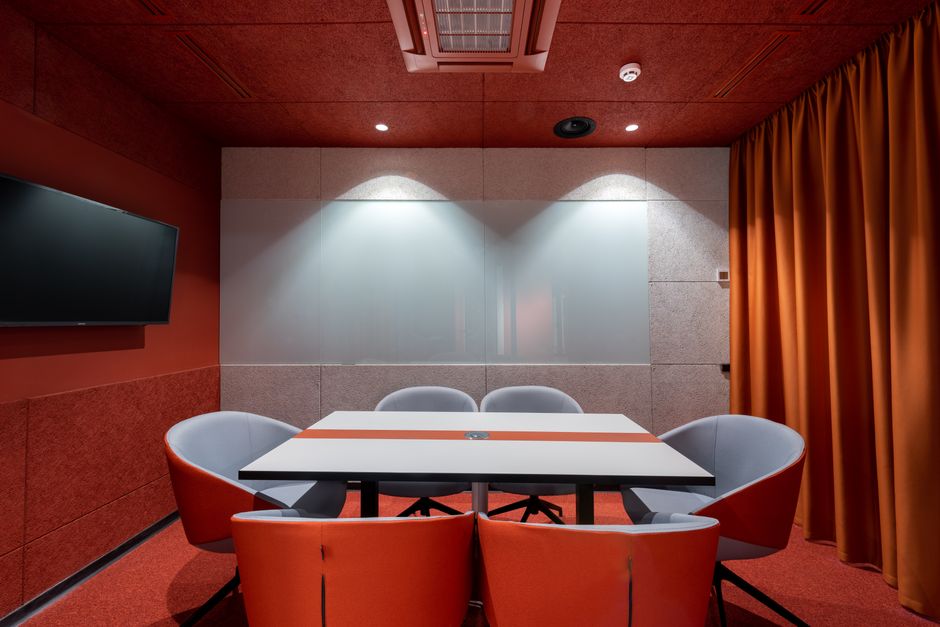
Curtains are a functional and aesthetic investment for any meeting room. They directly impact the usability of the space. For example, during a video conference, harsh glare from windows can wash out participants' faces on screen. Similarly, echoes from hard surfaces can make it difficult to hear clearly. Curtains help mitigate these issues. They also contribute to the room's overall design language, reinforcing a brand's image or creating a calm, focused atmosphere. In short, the right curtains enhance communication, comfort, and concentration.
___PROTECTED_1___
Key Factors to Consider When Choosing Meeting Room Curtains
Light Control and Blackout Options
Meeting rooms often serve multiple purposes: a morning pitch with natural light, an afternoon training session with a projector, or an evening webinar with screen presentations. Blackout curtains are essential for rooms that rely on projectors or screens, as they block up to 99% of external light, eliminating glare and ensuring clear visibility. Look for fabrics with a tight weave or a blackout lining. For rooms that benefit from some natural light, consider dimout or room-darkening fabrics instead of full blackout.
Acoustic Performance
Noise can be a major distraction in meeting rooms. Acoustic curtains are specially designed to absorb sound waves, reducing echo and reverberation. They are typically made from heavy, dense materials like velvet or multi-layer fabrics with sound-absorbing interlinings. When selecting acoustic curtains, check the Noise Reduction Coefficient (NRC) rating—aim for at least 0.5 for moderate sound absorption. For rooms with glass walls, acoustic curtains also help dampen outside noise from hallways or streets.
Privacy and Sheer Fabrics
Privacy is a top concern in meeting rooms, especially those with floor-to-ceiling windows or glass partitions. Sheer curtains offer a compromise: they allow light to filter through while providing daytime privacy and a soft aesthetic. For complete privacy, combine sheers with blackout drapes. Another option is using double-track systems: one track for sheers, another for blackout or acoustic curtains. This gives you versatility to adjust light and privacy levels as needed.
Aesthetic and Professional Appearance
The visual impact of curtains in a meeting room should not be underestimated. Colors and textures influence mood and perception. Neutral tones like gray, beige, or navy are popular for their professional and calming effect. Velvet curtains add a touch of luxury and warmth, while crisp cotton or polyester blends convey a clean, modern look. Avoid overly bold patterns that could be distracting. Instead, choose subtle textures or solid colors that complement the room's furniture and wall color.
Maintenance and Durability
Meeting rooms see high traffic and occasional spills from coffee or water. Choose fabrics that are durable, stain-resistant, and easy to clean. Polyester and polyester blends are low-maintenance and resist fading. Cotton and linen require more care but offer a natural feel. For high-use rooms, consider commercial-grade fabrics with a high rub count (Martindale test). Also, ensure the curtains are machine-washable or dry-cleanable, depending on the fabric. Regular vacuuming with a brush attachment can prolong their life.
___PROTECTED_2___
Top Fabric Choices for Meeting Rooms
Blackout Curtains
Blackout curtains are a staple for meeting rooms that use projectors or screens. They are typically made from thick, opaque fabrics, often with a special coating or lining that prevents light penetration. Benefits include improved screen visibility, reduced glare, and better temperature insulation. When choosing blackout curtains, look for fabrics with a high thread count and a blackout backing. Triple-weave construction is a premium option that blocks light without needing a separate lining.
Acoustic Curtains
Acoustic curtains are engineered to absorb sound and reduce noise pollution. They are heavier than standard curtains and often feature multiple layers, including a dense core and a quilted or velvet face fabric. These curtains are ideal for open-plan offices or meeting rooms adjacent to busy areas. For maximum effectiveness, install them close to the window or wall and allow them to puddle slightly on the floor to seal gaps. Acoustic curtains also double as thermal insulators, helping regulate room temperature.
Sheer Curtains
Sheer curtains are lightweight and translucent, offering a soft diffusion of natural light while providing a degree of privacy. They are perfect for meeting rooms where a bright, airy ambiance is desired without sacrificing confidentiality. Sheers are often used in combination with blackout or acoustic curtains. Popular materials include polyester voile, linen, and cotton blends. For a more polished look, select sheers with a subtle weave or texture.
Velvet Curtains
Velvet curtains exude elegance and sophistication. They are thick, heavy, and have excellent sound-absorbing properties, making them a great choice for high-end conference rooms or executive boardrooms. Velvet also provides good light blockage, especially when lined. However, velvet can be more expensive and requires careful cleaning—often dry-clean only. Opt for synthetic velvet (e.g., polyester) for easier care and better durability. Colors like deep charcoal, forest green, or navy create a rich, inviting atmosphere.
Installation Tips for Meeting Room Curtains
| Factor | Recommendation |
|---|---|
| Mounting height | Mount the curtain rod close to the ceiling to make the room appear taller and allow more light control. |
| Rod width | Extend the rod beyond the window frame by 6-12 inches on each side to ensure curtains can be fully drawn back without blocking the glass. |
| Stacking space | Consider the space needed for stacked curtains when fully open; for heavy fabrics, allow at least 12 inches on each side. |
| Layering | Use a double-track system for combining sheers with blackout or acoustic curtains, providing flexible light and privacy control. |
| Motorization | Motorized curtains are ideal for meeting rooms, allowing remote control via a switch, remote, or smart system for convenience and a clean look. |
Additionally, ensure that curtains do not obstruct HVAC vents or radiators. For floor-length curtains, measure from the rod to just above the floor (1/2 inch gap) or allow a 1-2 inch puddle for a formal look—but in commercial settings, avoid puddling to reduce dust accumulation and trip hazards.
Care and Maintenance Guide
Proper care extends the life of meeting room curtains and keeps them looking professional. Here are actionable tips:
- Vacuum regularly: Use a low-suction vacuum with a brush attachment to remove dust every two weeks. This prevents buildup and maintains fabric appearance.
- Spot clean immediately: For stains, blot gently with a damp cloth and mild detergent. Avoid rubbing, which can damage fibers.
- Follow care labels: Most polyester and cotton blends are machine-washable in cold water on a gentle cycle. Velvet and lined curtains usually require dry cleaning.
- Rotate curtains: If possible, rotate them seasonally to ensure even exposure to light and reduce fading.
- Check hardware: Inspect rods, rings, and tracks annually for wear and tighten any loose screws.
Conclusion
Choosing the right curtains for meeting rooms is a strategic decision that influences productivity, privacy, and professionalism. By considering factors like light control, acoustic performance, privacy needs, aesthetics, and maintenance, you can select curtains that enhance the functionality and atmosphere of your space. Whether you opt for blackout, acoustic, sheer, or velvet fabrics, the key is to align the curtain choice with the specific requirements of your meeting room. Invest in quality materials and professional installation to ensure long-lasting performance. With the right curtains, every meeting becomes more effective and comfortable.