Creating the ultimate home theater experience goes beyond a high-quality projector or a surround sound system. The environment plays a crucial role in both visual and acoustic performance. Curtains are often the unsung heroes of a home theater setup, providing light control, sound dampening, and aesthetic cohesion. In this comprehensive guide, we explore how the right curtains can transform your space into a cinematic sanctuary.
Why Curtains Matter for Home Theaters
Home theaters demand complete control over lighting and acoustics. Ambient light from windows can wash out projector images, reducing contrast and black levels. Similarly, hard surfaces reflect sound waves, causing echoes and muddied audio. Curtains serve a dual purpose: they block external light and absorb sound, creating a more immersive experience. Additionally, they add a touch of luxury and help define the theater’s ambiance.
___PROTECTED_1___
Key Fabric Types: Blackout, Velvet, and Acoustic Curtains
Not all curtains are created equal. For home theaters, three fabric types stand out:
Blackout Curtains
These are essential for light control. Made with multiple layers or a dense foam backing, blackout curtains block virtually all light from entering. They reduce light leakage by up to 99%, ensuring that projector images remain vivid. Choose fabrics with a minimum of 100% blackout rating, and ensure they are lined with light-blocking materials.
Velvet Curtains
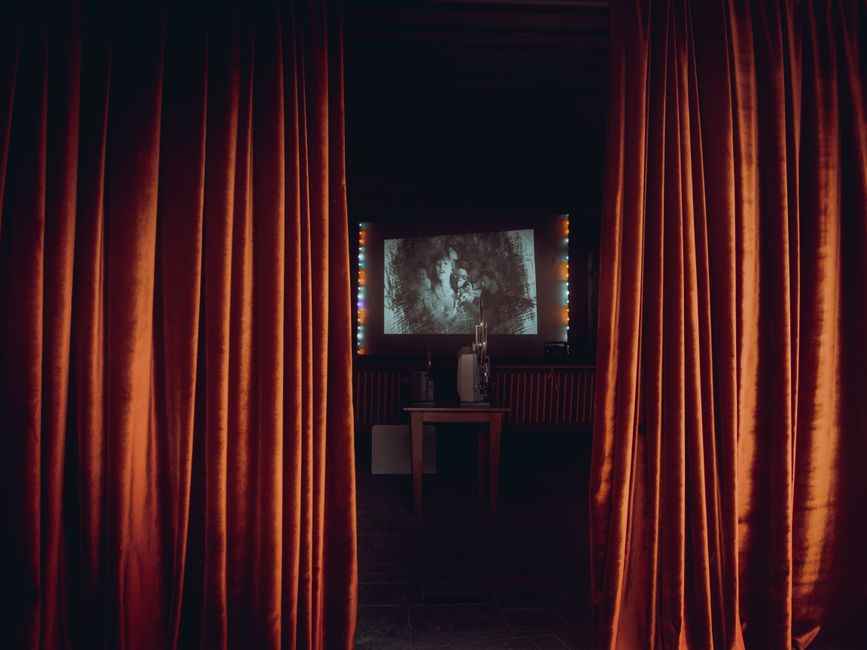
Velvet is not only luxurious in appearance but also effective at absorbing sound. Its thick pile traps sound waves, reducing echo and reverberation. Velvet curtains are often used in traditional theaters for their classic look and acoustic properties. However, they can be heavier, requiring sturdy curtain rods.
Acoustic Curtains
Specifically designed for sound management, acoustic curtains are made from dense, mass-loaded fabrics. They often have multiple layers and are rated by Sound Transmission Class (STC). For a home theater, aim for curtains with an STC rating of 25 or higher. These curtains are ideal for walls adjacent to living spaces to minimize noise transfer.
___PROTECTED_2___
How to Choose the Right Curtain for Your Home Theater
Consider your specific needs:
- Light control: If you have windows, prioritize blackout curtains. Even a small gap can cause light bleed. Use floor-to-ceiling drapery with overlap on the sides.
- Acoustics: For rooms with hard floors or high ceilings, acoustic curtains can tame echoes. Place them along side walls or behind the seating area.
- Room size: In smaller rooms, velvet or blackout curtains might suffice. Larger rooms benefit from dedicated acoustic treatments.
- Aesthetics: Dark colors like deep burgundy, charcoal, or black are traditional choices. They prevent light reflection and blend with the darkened room.
Practical tip: Layer curtains for best results. A blackout layer against the window and a velvet or acoustic curtain on the interior provides maximum light and sound control.
Installation Tips for Maximum Light Blockage and Sound Absorption
Proper installation is as important as fabric choice:
- Mount curtains outside the window frame: Extend the rod at least 6-8 inches above and to the sides of the window to eliminate light gaps.
- Use ceiling-mounted tracks: For a clean look and full coverage, mount tracks from ceiling to floor. This also improves sound absorption by creating an air gap.
- Add weights to the hem: This keeps curtains taut and prevents them from fluttering, which can cause light leaks and noise.
- Seal edges with velcro or magnetic strips: For complete blackout, attach curtains to the wall or frame using velcro or magnets.
- Consider curtain thickness: The heavier the fabric, the better it absorbs sound. Use triple-pole rods to hang multiple layers without crinkling.
Maintaining Your Home Theater Curtains
Curtains in a home theater accumulate dust and odors. Regular maintenance preserves their performance:
- Vacuum gently: Use a brush attachment monthly to remove dust from velvet and acoustic fabrics.
- Spot clean stains: Blackout and velvet fabrics can be spot cleaned with mild detergent and water. Avoid soaking.
- Dry clean annually: For deep cleaning, professional dry cleaning is best, especially for lined curtains.
- Check for wear: Over time, sun exposure can fade fabrics. Rotate curtains if possible, or invest in UV-protective backings.
Case Study: Transforming a Living Room into a Home Theater
John and Maria wanted to convert their bright living room into a dedicated home theater without losing the ability to use it as a family space. They installed blackout curtains in a rich charcoal velvet. The curtains were mounted on a ceiling track with a 6-inch overlap on each side. They added acoustic panels on the side walls, but the velvet curtains provided sufficient sound dampening due to their thickness. The result: a 95% reduction in light and noticeably improved dialog clarity during movies. The room now serves dual purposes with the curtains drawn open during the day.
Conclusion
Choosing the right curtains for your home theater is a strategic investment in both performance and comfort. By focusing on blackout, velvet, and acoustic fabrics, and paying attention to installation details, you can create a space that rivals commercial cinemas. Remember to consider your room’s unique characteristics and don’t hesitate to layer different curtain types for optimal results. With the right curtains, every movie night becomes an event.