Energy efficiency is a top priority for many homeowners and businesses, and curtains play a surprising yet pivotal role in reducing heating and cooling costs. While often seen as decorative, the right curtains can act as a thermal barrier, minimizing heat loss in winter and keeping interiors cool in summer. This comprehensive guide explores how curtains save energy, the best fabrics, installation techniques, and practical tips to maximize efficiency.

How Curtains Save Energy
Curtains reduce energy consumption by adding an extra layer of insulation to windows, which are typically the weakest points in a building's thermal envelope. In winter, heavy curtains trap warm air inside, preventing drafts. In summer, reflective or light-colored curtains reject solar heat, reducing the need for air conditioning. Studies show that properly installed curtains can cut heat loss by up to 25% and reduce cooling costs by up to 33%.
The key factors are fabric thickness, weave density, lining, and fit. Curtains that are floor-length and cover the entire window area create an insulating air pocket. Additionally, cellular shades or blackout linings enhance performance by trapping air.
___PROTECTED_1___
Types of Energy-Saving Curtains
Not all curtains are created equal when it comes to energy savings. Here are the most effective types:
1. Blackout Curtains
Blackout curtains are made from tightly woven, opaque fabrics, often with a foam or fleece backing. They block 99% of light, but their energy-saving benefits come from the insulating layer. The thick material prevents heat transfer and reduces outside noise. Ideal for bedrooms and home theaters.
2. Thermal Curtains
Thermal curtains are specifically designed with multiple layers, including a core of insulating foam, polyester, or cotton batting. They have a high R-value (resistance to heat flow) and are often lined with a vapor barrier to prevent condensation. They work well in drafty rooms.
3. Acoustic Curtains
Acoustic curtains are primarily for soundproofing but also offer excellent thermal insulation due to their dense, heavy fabric construction (often velvet or mass-loaded vinyl). They block noise and reduce heat exchange, making them a dual-purpose solution for offices or noisy homes.
4. Sheer Curtains with Linings
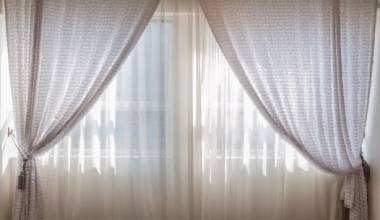
While sheers alone are not insulating, adding a separate thermal lining behind them creates a layered system. This allows light filtering while maintaining thermal benefits. It's a versatile option for those who want both aesthetics and efficiency.
___PROTECTED_2___
Comparing Energy-Saving Curtain Fabrics
| Fabric | Insulation Rating | Best For | Maintenance |
|---|---|---|---|
| Blackout (polyester/cotton blend) | High | Darkening + insulation | Machine washable |
| Thermal (triple-weave) | Very High | Extreme climates | Dry clean only |
| Velvet | Medium-High | Luxury + soundproofing | Dry clean |
| Acoustic (mass-loaded vinyl) | High | Noise + insulation | Wipe clean |
| Sheer + lining | Medium | Light + insulation combo | Separate care |
Choosing the Right Fabric for Your Needs
Selection depends on climate, window orientation, and personal preference. For north-facing windows that lose heat, choose thick thermal or blackout curtains. For south-facing windows that gain solar heat, use light-colored thermal curtains to reflect rays. Acoustic curtains are best for urban environments or home offices. Consider the R-value: higher values mean better insulation. Look for curtains with a listed R-value or at least 1.0 or above.
Also factor in drape and weight: heavier fabrics hang better and reduce airflow. If you prefer natural materials, wool or cotton blends are breathable but less insulating than synthetics. For maximum efficiency, combine curtains with cellular shades.
Installation Tips for Maximum Energy Savings
- Mount curtains close to the ceiling and floor: Extend the rod beyond the window frame to cover the entire opening. Use a valance or top seal to prevent warm air from escaping over the top.
- Ensure a full-length drop: Curtains should touch the floor or windowsill to block drafts. A ½-inch gap at the bottom reduces effectiveness.
- Use magnetic or Velcro side seals: Attach curtains to the wall or window frame to create an air-tight seal. This is especially important for sliding doors.
- Pair with blinds or shades: Layering curtains over blinds adds dead air space. During the day, open curtains to let sunlight in, then close them at night.
- Consider motorized systems: Timed or sensor-based opening/closing ensures optimal use, e.g., closing during peak heat or cold.
Care and Maintenance
To preserve insulating properties, clean curtains according to fabric type. Dust regularly with a vacuum brush. For machine-washable thermal curtains, use cold water and gentle cycle, then tumble dry low. Avoid fabric softeners as they reduce flame retardancy and insulation. For dry-clean-only fabrics (velvet, acoustic), professional cleaning is recommended every 1-2 years. Inspect linings for tears or gaps, and repair promptly. Properly maintained curtains last 5-10 years without losing efficiency.
Conclusion
Energy-saving curtains are a cost-effective upgrade that enhances comfort and reduces utility bills. By choosing the right fabric, ensuring proper installation, and maintaining them well, you can achieve significant energy savings year-round. Whether you opt for blackout, thermal, or acoustic curtains, the investment pays off within one to two heating/cooling seasons. Start by assessing your windows’ needs and selecting curtains that match your home’s style and energy goals.