Curtains have evolved from simple window coverings to defining elements of interior design. In 2025, curtain styling is all about blending aesthetics with functionality, embracing natural materials, and using drapery to create mood, comfort, and even acoustic balance. Whether you're renovating a living room, upgrading a bedroom, or outfitting a commercial space, understanding the latest curtain styling trends will help you make informed, stylish choices. This comprehensive guide explores the most exciting trends in curtain design, fabric technology, and practical styling tips.
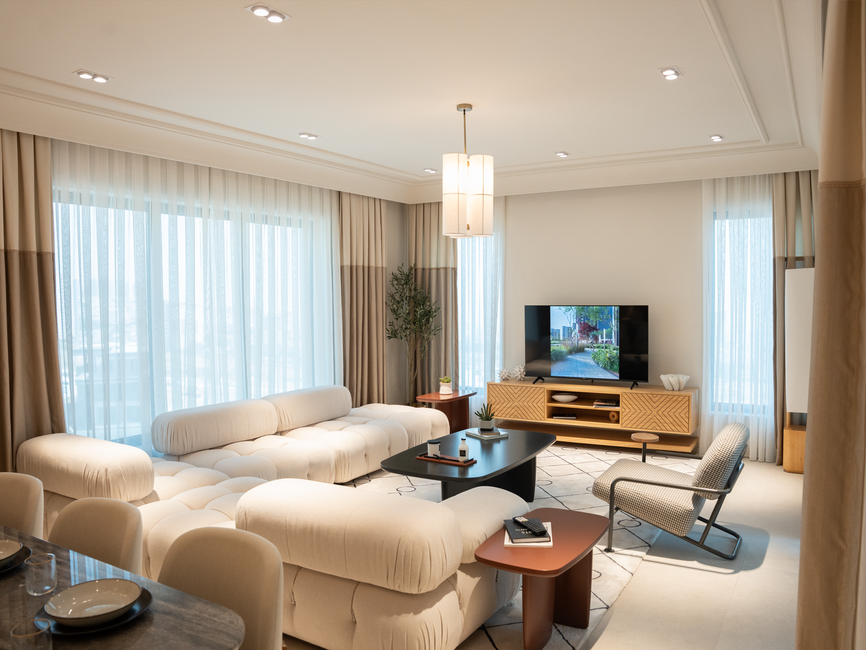
The Rise of Layered Curtains
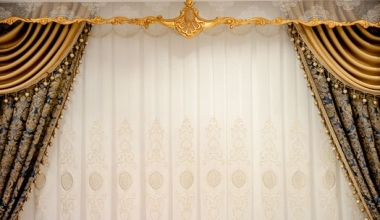
Layering is no longer just for clothing—it's a dominant trend in window treatments. Combining sheer curtains with blackout or velvet panels adds depth, flexibility, and visual interest. Layering allows you to control light and privacy throughout the day while creating a polished, designer look.
Practical tips:
- Install a double curtain rod or a track system with two layers.
- Use sheer curtains closest to the window for soft diffuse light, with heavier panels on top for insulation and blackout.
- Mix textures: pair airy linen sheers with smooth velvet or matte blackout fabric.
- Experiment with different lengths: let sheers puddle slightly while keeping outer panels at floor-length.
Layering also gives you the chance to play with color. A neutral base with a bold accent layer is a foolproof way to update a room without committing to a single bold pattern.
___PROTECTED_1___
Sheer Curtains: Light and Airy Elegance
Sheer curtains are having a major moment. They bring an ethereal, romantic feel to any space, filtering harsh sunlight into a soft, glowing ambiance. In modern interiors, sheers are being used on their own, especially in living rooms and dining areas where privacy is less critical.
Trends in sheer styling:
- Floor-to-ceiling sheers that create a sense of height and grandeur.
- Wide pleated sheers (like pinch pleat) for a structured yet airy look.
- Sheers with subtle embroidery or texture for added dimension.
- Colored sheers in muted pastels or earthy tones instead of crisp white.
When styling sheers, consider using them as a backdrop for architectural plants, window seats, or as room dividers in open-plan spaces. They also work beautifully with natural light, reducing glare without darkening a room.
___PROTECTED_2___
Blackout Curtains: Function Meets Fashion
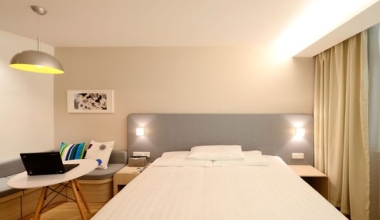
Blackout curtains are no longer just for bedrooms or nurseries. Advances in fabric technology have made blackout materials softer, thinner, and more elegant—so they can be used anywhere without compromising style. The trend is to integrate blackout properties into decorative fabrics rather than using bulky, traditional linings.
Why blackout is trending:
- Increased focus on sleep quality and circadian rhythms.
- Energy efficiency—blackout fabrics help regulate room temperature.
- Home theater and media room setups benefit from complete light control.
Styling tips:
- Choose blackout curtains in neutral colors like oatmeal, taupe, or charcoal for a sophisticated look.
- Opt for a blackout lining that's bonded to the face fabric, so you don't lose the drape.
- Use motorized blackout shades for seamless control—this ties into the smart home trend.
- Don't forget to add a valance or pelmet to hide the mechanics and add a finished look.
Velvet Curtains: Luxurious Texture and Drama
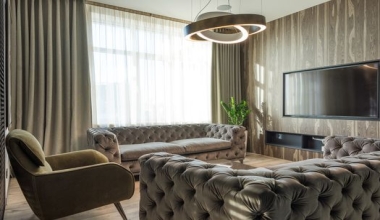
Velvet is back in a big way. This plush, tactile fabric adds instant luxury and warmth to any room. Designers are using velvet in jewel tones—emerald, sapphire, burgundy—as well as in muted blush, dusty blue, and rich earthy browns. Velvet curtains create a dramatic focal point, especially in formal living rooms, dining rooms, and home offices.
How to style velvet:
- Hang velvet panels from ceiling to floor for maximum impact.
- Combine velvet with contrasting textures like linen sofas or wool rugs to avoid overwhelming the space.
- Use a simple rod with large rings to emphasize the fabric's weight and flow.
- For a modern twist, choose crushed velvet or velvet with subtle sheen rather than traditional matte.
Velvet also offers excellent sound absorption and insulation, making it a practical yet glamorous choice for urban apartments and cozy living spaces.
Acoustic Curtains: Soundproofing with Style
Noise pollution is a growing concern, and acoustic curtains are the stylish solution. Traditionally associated with recording studios or offices, acoustic curtains are now entering residential spaces. These heavy, dense curtains are designed to absorb sound, reduce echo, and block out external noise—all while looking chic.
Acoustic curtain trends:
- Using acoustic fabrics with a smooth face and a dense backing, available in custom colors.
- Pleated acoustic panels that mimic ordinary drapes but pack sound-blocking performance.
- Layering acoustic curtains with sheers to maintain daylight while softening noise.
- Installing acoustic curtains in home offices, playrooms, and open-plan kitchens.
When selecting acoustic curtains, look for high GSM (grams per square meter) and a tight weave. The heavier the fabric, the better it deadens sound. Pair with a ceiling-mounted track and a valence for a clean, acoustic-friendly installation.
Sustainable and Natural Fabric Trends
Sustainability is a major force in interior design, and curtains are no exception. Homeowners and designers are turning to natural, renewable materials like organic cotton, linen, hemp, and bamboo. These fabrics not only have a lower environmental footprint but also add organic texture and breathability to spaces.
Top sustainable fabrics:
- Organic cotton: soft, versatile, and free from harmful chemicals.
- European flax linen: highly durable, moisture-wicking, and biodegradable.
- Recycled polyester: made from plastic bottles, perfect for blackout and performance curtains.
- Bamboo viscose: silky, light, and eco-friendly.
Styling with natural fabrics means embracing minimalism, neutral hues, and slight imperfections like slubs in linen. These curtains work beautifully with wooden furniture, terracotta accents, and indoor plants. To be more sustainable, also consider reusing vintage curtains or having your current ones relined for added functionality.
Smart Curtains and Automation
Smart home technology is seamlessly integrating with window coverings. Motorized curtains and automated shading systems are now more affordable and widely available. The trend is to control curtains via smartphone apps, voice assistants (Alexa, Google Home), or preset schedules that align with your daily rhythm.
Benefits of smart curtains:
- Remote control: open or close curtains while away from home for security.
- Routine automation: wake up to gradual light, or block heat during peak afternoon sun.
- Integration with smart sensors: curtains that react to temperature, sunlight, or room occupancy.
When designing for automation, choose a track system that is compatible with motorization. Many modern curtain rods now have hidden motor modules. You can also retrofit existing curtains with smart kits that pull strings or move the rod. For best results, keep the fabric weight reasonable; extremely heavy velvet may require a more powerful motor.
Bold Patterns and Color Blocking
Gone are the days of playing it safe with plain white drapes. The newest trend is making curtains the statement piece of a room. Bold geometric prints, oversized florals, abstract watercolor patterns, and even animal motifs are showing up on designer window treatments. Color blocking—combining two or three solid colors in a single curtain panel—is also on the rise.
Ideas for incorporating bold patterns:
- Use patterned curtains in rooms where furniture is neutral, creating an instant focal point.
- Mix patterns cautiously: pair a large-scale pattern with a small-scale one in the same color family.
- Color-blocked curtains with a gradient effect suit modern and contemporary interiors.
- For a playful look, choose a pattern that echoes other textiles in the room, like cushions or rugs.
If you're hesitant, start with a pattern on the trim or a border. Or, choose a two-tone curtain with a solid top and a patterned bottom—this trend is often called 'color-blocking' and it adds visual weight near the floor.
Curtain Hardware: Making a Statement
The right curtain rod, finial, or track can elevate the entire window treatment. Hardware is no longer just functional—it's an accessory. In 2025, the trend is toward oversized or sculptural metalwork, matte black and brushed brass finishes, and wood or brass combination rods.
Hardware styling tips:
- Choose rods that extend beyond the window frame by 6-10 inches on each side to allow curtains to stack back and let in maximum light.
- For a cohesive look, match hardware to other metal finishes in the room (doorknobs, lamps, faucets).
- Use contrasting finials—crystal, globe, or minimalist cube—as a subtle conversation starter.
- Ceiling-mounted tracks help create the illusion of taller ceilings, and are perfect for heavy or layered curtains.
Remember that the rod should be sturdy enough to support the weight of your chosen fabric. A flimsy rod can sag with velvet or blackout layers.
Hemming and Length: Floor-Length to Puddle
The length of your curtains dramatically changes the room's vibe. The current trend embraces both tailored floor-length curtains that hover just above the floor (about 1/2 inch) and the dramatic 'puddle' look where fabric extends onto the floor by several inches. Puddling is luxurious and ideal for formal settings, but it requires more fabric and regular vacuuming to keep clean.
Length guidelines:
- Floor-length: hem sits 1/2 inch above the floor—the most common and safe choice.
- Break length: hem just barely touches the floor, like a trouser break—casual and elegant.
- Puddle length: 2-6 inches of fabric on the floor—romantic, opulent, and suited to velvet and heavier fabrics.
- For a stair-step look, have curtains follow the sweep of a staircase or architectural niche.
Also consider the width: for a gathered, full look, use 2-2.5 times the width of your window or track. This ensures curtains look lush, not stretched. With flat panels, 1.5 times width may be enough for a modern minimalist style.
Curtain styling is a blend of art and science. By keeping an eye on these trends, you can create window treatments that not only follow the fashion but also enhance comfort, privacy, and energy efficiency. Whether you choose sheer layering, luxurious velvet, or smart acoustic panels, the key is to select fabrics and hardware that speak to your personal style and functional needs. Stay playful, experiment with textures, and let your curtains tell a story.