When it comes to restaurant design, every element matters—from the lighting and furniture to the color palette and textures. Yet one of the most overlooked components is the humble curtain. Curtain ideas for restaurants go far beyond simple window coverings. They set the mood, control noise, manage natural light, and even influence how long guests stay. Whether you are opening a cozy bistro, a fine-dining establishment, or a vibrant casual café, choosing the right curtains can transform your space. In this in-depth guide, we explore a variety of curtain ideas for restaurants, including fabric types, practical applications, and expert maintenance tips.
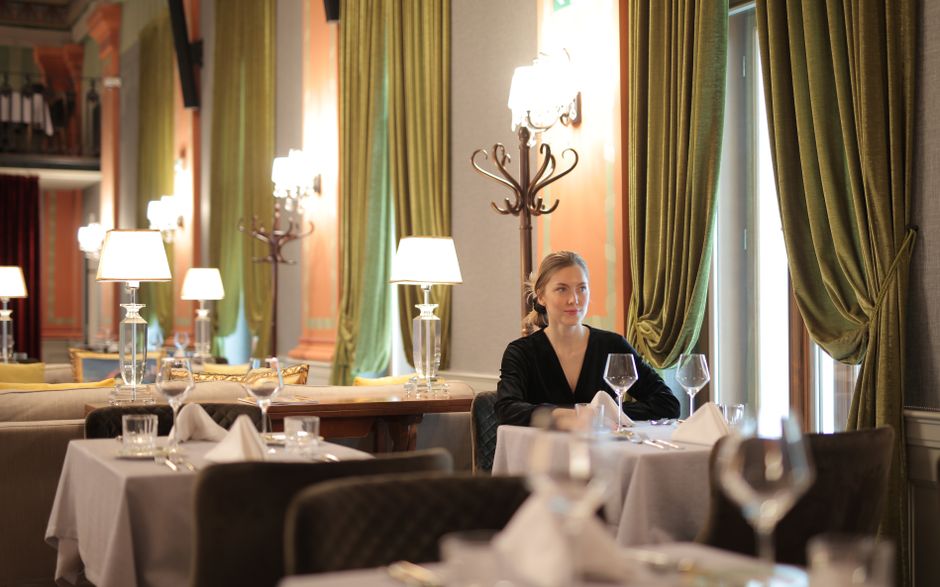
Why Curtains Matter in Restaurant Design
Curtains are more than just fabric panels. They are a critical design tool that can enhance the guest experience in multiple ways. First, they provide acoustic comfort. Restaurants are notoriously noisy, and hard surfaces like concrete floors, glass windows, and wooden tables amplify sound. Acoustic curtains can absorb excess noise and create a more intimate dining atmosphere. Second, curtains regulate light. Large windows may offer beautiful views but can also create glare and heat during peak hours. Blackout or light-filtering curtains give you control over the mood at any time of day. Third, curtains add visual warmth and texture. A well-chosen fabric can soften the starkness of a modern interior or complement a classic, elegant theme. In short, the right curtains can elevate your restaurant from ordinary to memorable.
___PROTECTED_1___
Key Factors to Consider Before Choosing Restaurant Curtains
Before diving into specific curtain ideas, it's essential to evaluate a few practical factors that will guide your decision.
1. Functionality and Safety
Restaurant curtains must comply with fire safety regulations. Look for fabrics labeled as flame-retardant or treat them with a fire-resistant spray. Also consider how easily they can be opened and closed. For high-traffic areas, motorized curtains may be a worthwhile investment.
2. Maintenance and Durability
Restaurant environments are prone to grease, smoke, and spills. Choose fabrics that are durable, stain-resistant, and easy to clean. Many commercial-grade curtain fabrics are machine washable or can be dry-cleaned. Avoid delicate materials in kitchens or open dining areas where they may be exposed to high humidity.
3. Style and Branding
Your curtains should align with your restaurant's concept. A rustic farmhouse eatery calls for linen or burlap, while a sleek cocktail bar benefits from velvet or overlaid sheers. The color and pattern of your curtains can reinforce your brand identity and create a cohesive look.
4. Lighting Control
Decide how much natural light you want. If you serve brunch, sheer curtains allow soft daylight to filter in. For evening-only venues, blackout panels offer total darkness to control the atmosphere. Layering sheers with heavier drapes gives you flexibility throughout the day.
___PROTECTED_2___
Curtain Ideas by Restaurant Type
Different types of restaurants have unique needs. Here are tailored curtain ideas for various dining concepts.
Fine Dining Restaurants
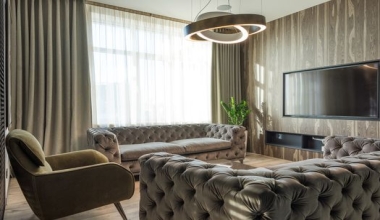
In fine dining, elegance and intimacy are paramount. Floor-to-ceiling velvet curtains in deep tones like burgundy, charcoal, or navy create a luxurious backdrop. Blackout linings are recommended to block out the outside world and focus attention on the cuisine. Pair them with sheer under-curtains for a soft layering effect. Custom hardware with polished rods and finials adds to the refined aesthetic.
Casual Cafés and Coffee Shops
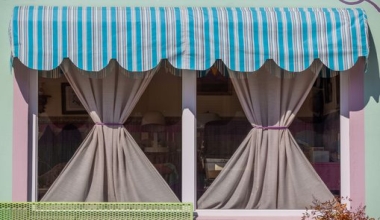
Casual spaces benefit from airy, light-filled interiors. Sheer voile or linen curtains allow abundant natural light while adding a breezy, relaxed feel. Opt for neutral colors like white, cream, or soft pastels to complement a bohemian or Scandinavian interior. Tiebacks can keep curtains neatly drawn during busy service and released for privacy in the evenings.
Pubs and Sports Bars
For lively venues, durability is key. Choose heavy-duty polyester curtains that resist stains and can withstand high humidity and smoke in some regions. Dark colors like slate gray or olive green hide stains and match the casual vibe. Acoustic curtains are particularly beneficial here to reduce noise levels and prevent echoing.
Banquet Halls and Event Spaces
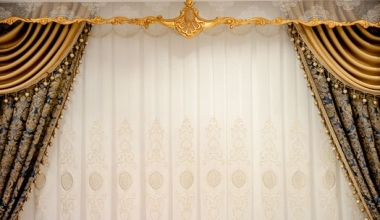
These multifunctional venues require versatility. Use double-track curtain rods with both sheer and blackout panels. During daytime events, sheers diffuse light; at night, blackout curtains create a dramatic atmosphere. Velvet or satin outer drapes can be used as decorative room dividers to section off larger spaces.
Fabric Choices: Blackout, Sheer, Velvet, and Acoustic
The fabric you choose has a direct impact on both form and function. Below is a comprehensive comparison of the four most popular fabric types for restaurant curtains.
| Fabric Type | Key Benefits | Best For | Considerations |
|---|---|---|---|
| Blackout | Blocks 99% of external light; improves energy efficiency; provides total privacy | Fine dining, cinemas, evening venues | Can feel heavy or imposing; use lighter colors to avoid a cave-like feel |
| Sheer | Filters light softly; makes spaces appear larger; creates a romantic, ethereal vibe | Casual cafés, brunch spots, daytime venues | Offers little privacy at night; may require an outer layer |
| Velvet | Adds luxury and warmth; excellent light blockage; suppresses echoes | Upscale restaurants, hotel lounges, old-world themes | High maintenance; susceptible to crushing and stains |
| Acoustic | Reduces noise by up to 50%; improves sound clarity; often made of dense polyester or felt | Open-plan restaurants, sports bars, banquet halls | Usually heavier; may require reinforced tracks |
Combining Fabrics for Maximum Impact
You don't have to stick to just one fabric. Layering is a popular trend in restaurant design. For example, start with a blackout liner facing the window for light control, add a sheer panel for daytime diffusion, and finish with a deep-colored velvet overlay for evening elegance. This layered approach allows you to adjust the look and function throughout the day. It also adds depth and texture to the overall décor.
Practical Tips for Choosing Restaurant Curtains
Here are some actionable tips to help you make the best decision for your establishment.
- Measure carefully: Allow curtains to hang at least 1.5 to 3 inches off the floor to prevent dragging and accumulation of dirt. For puddling effect, add 2 inches, but be aware of tripping hazards.
- Choose the right connection: Curtains can be hung using grommets, rod pockets, or discreet rings. Grommets are easy to slide, but rings with clips offer a more classic look and easier installation.
- Invest in proper hardware: Heavy fabrics require sturdy rods and brackets. For acoustic or blackout curtains, consider commercial-grade tracks with ball bearings to ensure smooth gliding.
- Think about fire safety: Always check for fire-retardant certifications or use a fabric treatment. Local regulations may require specific standards for commercial spaces.
- Work with a professional: A drapery specialist or interior designer can help you source commercial-grade fabrics that meet durability and safety requirements.
- Test acrylic light: Bring fabric samples into your restaurant and observe them under your existing lighting—both natural and artificial. Colors can appear different in various light sources.
How to Mix and Match Patterns
Patterns can add personality but use them sparingly. For a cohesive look, use a large-scale pattern on the main windows and a subtle texture or solid color for side panels. If you have banquette seating, coordinate the curtain pattern with cushion fabrics or table linens, but avoid exact repeats—similar tones work better.
Curtain Length and Width
Standard restaurant curtains should be mounted high above the window frame—preferably 6 to 12 inches above—to draw the eye upward and make ceilings seem taller. For width, leave at least 1.5 times the window width for a fuller appearance. If you want a more open feel, use 1.3 times the width. Fullness also helps with sound absorption because the fabric has more folds and traps more sound waves.
Maintenance and Care Tips for Restaurant Curtains
Restaurant curtains get dirty quickly due to kitchen grease, dust, and pollution. Proper maintenance extends their life and keeps your establishment looking pristine.
Regular Vacuuming
Use a vacuum cleaner with an upholstery attachment to remove dust and dirt from the fabric surface at least once a week. This is especially important for velvet and acoustic curtains, as dust can settle into the fibers and dull their appearance.
Spot Cleaning
For small stains, use a damp cloth with a mild detergent. Always test in an inconspicuous area first. Avoid rubbing; blot gently to prevent spreading the stain.
Washing and Dry Cleaning
Check the care label. Many polyester curtains are machine washable in cold water, but delicate fabrics like silk or linen need dry cleaning. Remove hooks or rings before washing. To avoid shrinking, wash on a gentle cycle and hang-dry immediately.
Steam Cleaning
Periodic steam cleaning can revive the fabric, remove odors, and kill bacteria. Professional cleaning every 6 to 12 months is recommended for heavily used curtains.
Replacement
Even with excellent care, curtains will eventually fade or show signs of wear. Inspect them every few months for fading from sunlight, fraying edges, or broken seams. Replacing curtains is a cost-effective way to refresh your restaurant's look without a full remodel.
Conclusion
Curtain ideas for restaurants are as diverse as the dining experiences you can create. From the luxurious drape of velvet to the practical noise-reduction of acoustic panels, the right curtains can transform your space into a welcoming haven for guests. Take the time to consider your restaurant's style, the functional needs, and the maintenance requirements. When chosen thoughtfully, curtains become an investment in your brand's atmosphere and your customers' comfort. Ready to elevate your dining space? Explore our range of commercial-grade curtain fabrics and start your design journey today.