Meeting rooms are more than just spaces with a table and chairs—they're where decisions are made, ideas are born, and brands are represented. Yet too often, the windows are an afterthought. The right curtains can transform a sterile conference room into an inviting, professional, and highly functional environment. From controlling natural light to absorbing sound and ensuring privacy, curtains play a pivotal role in meeting room design. In this comprehensive guide, we explore creative curtain ideas for meeting rooms, diving deep into fabric choices, design styles, and practical tips to help you make the perfect selection.
Why Curtains Matter in Meeting Rooms
Curtains in a meeting room serve multiple purposes beyond simple decoration. They affect the atmosphere, the comfort of attendees, and even the success of your presentations.
- Light Control: Glare on screens can ruin a presentation. Blackout or light-filtering curtains allow you to adjust the room's brightness to suit any activity—from high-tech slide shows to collaborative brainstorming sessions.
- Acoustic Performance: Hard surfaces in meeting rooms, like glass windows and wooden floors, reflect sound, causing echoes and reducing speech clarity. Acoustic curtains can significantly absorb sound, making conversations clearer and video conferences more intelligible.
- Privacy: Confidential discussions require visual and sometimes auditory privacy. Curtains with appropriate opacity and thickness prevent outside intrusion.
- Aesthetic Appeal: Curtains set the tone. They can convey professionalism, warmth, or sophistication, reinforcing your company's brand and making a positive impression on clients and employees.
- Thermal Comfort: Large windows can cause heat gain in summer and heat loss in winter. Curtains act as an insulating barrier, reducing energy costs and keeping the room comfortable year-round.
Given these critical functions, choosing the right curtain fabric is essential. Let's explore the factors that should guide your decision.
___PROTECTED_1___
Key Factors to Consider Before Choosing Curtain Fabrics
Before deciding on a curtain style, evaluate the specific needs of your meeting room:
- Room Orientation: East-facing windows get strong morning sun, while west-facing rooms suffer from afternoon glare. South-facing rooms are prime candidates for blackout or sheer layers. Understanding your room's lighting is the first step.
- Technology Use: If your room is equipped with a projector or large display, you'll need total blackout capability for optimal image contrast. For rooms used mainly for discussions, sheer curtains might suffice.
- Acoustic Requirements: Are you in a busy office? Is the room used for client calls or video conferences? The level of background noise will determine how much sound absorption you need.
- Design Style: Do you want a modern, minimalist look or a classic, luxurious feel? The fabric's texture, color, and drape will significantly impact the room's overall aesthetic.
- Budget and Durability: Meeting rooms see heavy use and require low-maintenance materials. Weigh initial cost against long-term durability and ease of cleaning.
___PROTECTED_2___
Top Fabric Choices for Meeting Room Curtains
Each fabric type offers unique benefits. Here's a detailed breakdown of the most popular options for meeting rooms.
Blackout Curtains: For Ultimate Light Control and Privacy
Blackout curtains are a meeting room staple. They are tightly woven or coated with a special backing that blocks nearly all external light. This makes them ideal for presentations, video filming, and any scenario where you need to dim the room completely.
- Benefits: Complete light block, enhanced privacy, thermal insulation, reduced outside noise (depending on thickness).
- Best Uses: High-tech meeting rooms, boardrooms, media rooms within office spaces, and environments where screen visibility is crucial.
- Style Tips: Choose neutral colors like gray, beige, or dark blue for a professional look. For a modern touch, consider blackout rollers or Roman shades that tuck neatly away when not in use.
Sheer Curtains: Soft Light and an Open Atmosphere
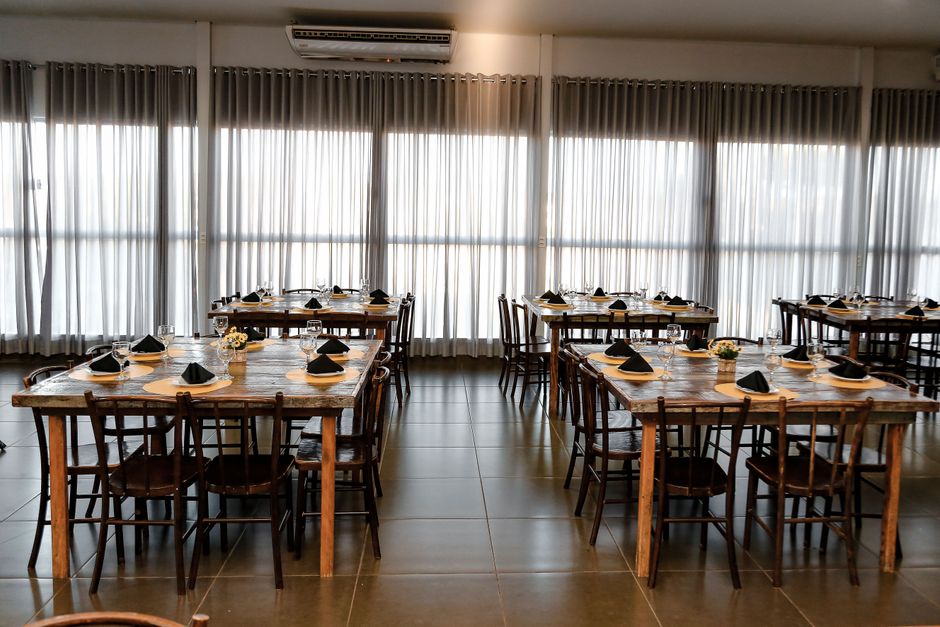
Sheer curtains filter natural light, creating an airy, bright, and welcoming atmosphere. They're perfect for meeting rooms where you want to maintain a connection to the outside while reducing harsh glare.
- Benefits: Diffuses sunlight, provides daytime privacy (partial), adds a lightweight, elegant layering effect, and can make a small room feel larger.
- Best Uses: Breakout spaces, informal meeting areas, and rooms with beautiful views where you don't want to obstruct the scenery.
- Style Tips: Pair sheers with blackout curtains or blinds for a flexible layer system. White or ivory sheers are timeless, but you can experiment with subtle patterns to inject personality.
Velvet Curtains: Luxury and Sound Dampening
Velvet is the epitome of luxury and sophistication. Its thick, plush texture adds warmth and depth to any space. Beyond aesthetics, velvet is a fantastic natural sound absorber, making it a smart choice for busy meeting environments.
- Benefits: Excellent acoustic properties, light blocking (depending on lining), thermal insulation, and a visually rich aesthetic.
- Best Uses: Executive boardrooms, client-facing meeting spaces, and design-forward offices that want to impress.
- Style Tips: Choose deep jewel tones like emerald green, ruby red, or navy for a dramatic statement. Alternatively, soft gray or taupe velvet adds understated elegance. Velvet curtains from high-quality fabrics like polyester blends are easier to care for than natural silk.
Acoustic Curtains: Engineered for Sound Absorption
Acoustic curtains are specially designed to reduce noise levels in a room. They are made from dense, heavy fabrics with multiple layers or special acoustic cores that trap sound waves. They are particularly effective in open-plan offices and meeting rooms with hard surfaces.
- Benefits: Significant sound absorption (reduce echo and reverberation), improved speech clarity, and often combined with thermal insulation.
- Best Uses: Conference rooms used for recordings, video conferences, or where confidential discussions require a quieter environment.
- Style Tips: Acoustic curtains come in a range of colors and textures, so you don't have to sacrifice style for function. Look for fabrics with a ripple fold or pinch pleat to maximize fabric coverage and acoustic efficiency.
Comparison Table: Fabric Types at a Glance
| Fabric Type | Light Control | Acoustic Performance | Privacy | Best For |
|---|---|---|---|---|
| Blackout | Excellent (block 100%) | Good (when thick) | Excellent | Presentations, darkness |
| Sheer | Poor (filter light) | Minimal | Poor (partial) | Diffused light, views |
| Velvet | Good (if lined) | Very Good | Excellent | Luxury, sound absorption |
| Acoustic | Varies (can be lined) | Excellent | Good to Excellent | Noise reduction, video calls |
Creative Curtain Ideas for Different Meeting Room Styles
Now that you understand the fabrics, let's explore creative ways to style them in your meeting room.
Idea 1: The Layered Look for Flexibility
Combine sheer and blackout curtains on separate tracks. During the day, you can close the sheers to diffuse light while maintaining a connection to the outside. When it's time for a presentation, glide the blackout layer shut for complete darkness. This dual-layer approach offers maximum flexibility and a sophisticated, designer look.
Idea 2: Floor-to-Ceiling Drama
Mount your curtain rods or tracks near the ceiling and let the curtains extend all the way to the floor. This visually raises the ceiling and adds a sense of grandeur to the room. It's an excellent trick for smaller meeting rooms that need a more spacious feel. Use a solid, neutral tone for a modern minimalist vibe.
Idea 3: Color Blocking with Bold Velvet
For a bold, on-brand statement, choose velvet curtains in your company's primary or secondary color. In an otherwise neutral room, a pop of bright color adds energy and personality. Just ensure the hue doesn't distract from presentations. Velvet's texture will also help with acoustics, making it both functional and fashionable.
Idea 4: Acoustic Panels with Fabric Wraps
If you need serious sound control but want a sleeker look than traditional curtains, consider acoustic panels wrapped in curtain fabric. These can be mounted on the wall or used as room dividers. You can choose from acoustic fabrics that match your meeting room's color scheme, creating a seamless integration of function and style.
Idea 5: Motorized Curtains for Tech-Forward Rooms
For a truly smart office, install motorized curtains that can be controlled via a smartphone or a central control system. This is especially convenient if the curtains are hard to reach or if you want to adjust them before entering the room. Motorization works well with all fabric types—even heavy acoustic curtains.
Practical Tips for Measuring and Installing
Proper measurement and installation are crucial for the perfect look and function. Here are some professional tips:
- Measure the width correctly: For a full look, the curtain rod should extend about 8-12 inches beyond the window frame on each side. The total curtain width should be 2.5 to 3 times the width of the window for a pleated, full drape.
- Install high and wide: Always mount the track or rod about 4-6 inches above the window frame to create the illusion of height and avoid any light gap at the top.
- Consider the heading style: Pinch pleats, eyelets, and ripple folds each offer different looks. For a modern meeting room, eyelets or ripple folds are popular. For a classic boardroom, elegant pinch pleats work well.
- Don't forget the length: Curtains should either just kiss the floor or hang slightly (1-2 cm) above it. Puddling is not recommended in high-traffic meeting rooms as it can catch dust and be a trip hazard.
- Use two layers when possible: Install a separate track or rod for blackout and a sheer layer for maximum flexibility, as mentioned earlier.
Maintenance and Care Guide
Meeting room curtains endure daily wear and tear, so regular maintenance keeps them looking and functioning at their best.
- Vacuuming: Use a brush attachment to vacuum curtains gently once a week to remove dust and allergens.
- Spot cleaning: For small stains, blot with a damp cloth and mild detergent. Avoid rubbing, as it can damage the fabric.
- Washing: Always check the care label. Some fabrics, like polyester blends, can be machine washed cold and hung to dry. Velvet and acoustic materials often require dry cleaning.
- Fluffing: Steam or fluff velvet and acoustic curtains periodically to remove wrinkles and maintain their sound-absorbing properties.
- Check hardware: Inspect rods, tracks, and rings regularly for wear and tear. Loose fittings can cause curtains to sag or operate poorly.
Conclusion
Curtains are a powerful tool in meeting room design, balancing aesthetics with critical functions like light control, acoustics, and privacy. By understanding your specific needs and the unique qualities of blackout, sheer, velvet, and acoustic fabrics, you can create a space that is both beautiful and highly functional. Whether you opt for dramatic floor-to-ceiling velvet, practical blackout panels, or acoustic curtains that ensure crystal-clear video calls, the right curtains will elevate your meeting room from ordinary to exceptional.
Ready to transform your meeting spaces? Explore our extensive collection of premium curtain fabrics, and let our experts help you find the ideal solution for your corporate environment.