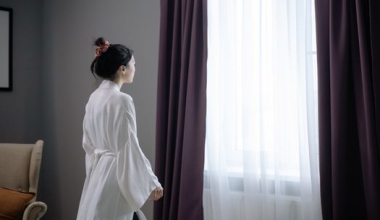
In the hospitality industry, the appearance and freshness of guest rooms are paramount to guest satisfaction and repeat bookings. Curtains are a significant visual element that can make or break a room's ambiance. However, they are often overlooked in daily cleaning routines. This comprehensive guide is designed for resort housekeeping managers, executive housekeepers, and maintenance teams. We will explore every facet of curtain care for resorts, from understanding fabrics to implementing effective cleaning schedules. Proper curtain care not only extends the life of your investment but also ensures a healthy, luxurious environment for your guests.

Why Curtain Care in Resorts Is Critical
Resort curtains endure constant handling, exposure to sunlight, humidity, dust, and occasional spills. Unlike residential settings, resort curtains are used every day, often in high occupancy periods. Neglecting their care can lead to unpleasant odors, visible stains, and fabric deterioration, which directly impacts the guest experience. Furthermore, hygienic curtains are essential for guest health, especially for those with allergies or respiratory sensitivities. A well-maintained curtain also contributes to the overall aesthetic appeal, reinforcing the resort's brand and standard of excellence.
___PROTECTED_1___
Understanding Your Curtain Fabrics
Different fabrics require different care approaches. Most resort curtains fall into four main categories: blackout, sheer, velvet, and acoustic. Each has unique properties and cleaning requirements.
| Fabric Type | Characteristics | Primary Care Consideration |
|---|---|---|
| Blackout | Dense, often with triple-weave or coated backing, blocks light and provides insulation. | Cannot be machine washed if coated; vacuum with soft brush attachment, spot clean only. |
| Sheer | Lightweight, translucent, delicate, made of polyester, cotton, or silk blends. | Hand wash or gentle cycle in a mesh bag; air dry to prevent shrinkage. |
| Velvet | Plush, rich texture, luxurious look, can be made of natural or synthetic fibers. | Brush in one direction to maintain pile; professional dry cleaning recommended. |
| Acoustic | Heavy, multi-layered, designed for sound absorption, often used in conference rooms. | Vacuum with upholstery attachment; professional cleaning to avoid damaging inner layers. |
___PROTECTED_2___
Daily and Weekly Maintenance Routines
Implementing a routine of simple yet effective daily and weekly tasks can significantly reduce the need for deep cleaning.
Daily Inspections
Include a visual inspection of curtains during turndown service. Check for visible stains, tears, or misaligned drapery. Promptly address any issues by spot cleaning or placing a work order for repairs.
Dusting and Vacuuming
Dust accumulates quickly on resort curtains. Use a vacuum with a soft brush attachment at least once a week, ideally every two to three days in high-traffic areas. For pleated curtains, vacuum from top to bottom, working into the folds. This removes dust mites and pollen, which is crucial for guest health.
Straightening and Air Fluffing
Daily, straighten curtains to ensure they hang evenly. If the resort allows, open and close curtains fully at least once per day to circulate air and reduce the chance of mildew, especially in humid climates.
Deep Cleaning and Washing Methods
Deep cleaning is necessary every season or as dictated by the resort's occupancy and policies. The method depends on the fabric type and the curtain's construction.
Machine Washing Sheer Curtains
For sheer polyester or cotton curtains, machine washing is often possible. Use cold water on a gentle cycle with a mild detergent. Place each curtain in a mesh laundry bag to prevent snagging. Never use bleach. Hang to dry immediately, as sheer curtains retain wrinkles.
Hand Washing Delicate Sheers
For silk or very delicate sheers, hand wash in cold water with a gentle detergent. Do not wring; roll in a towel to absorb excess water, then hang to dry.
Cleaning Blackout and Velvet Curtains
Blackout and velvet curtains are generally too heavy for home washing machines. For blackout curtains with a coated backing, avoid water entirely; instead, use a professional dry cleaning service or a moisture-controlled cleaning method. Velvet curtains can also be dry cleaned, but be sure to inform the cleaners of any stains so they can pre-treat appropriately.
Steam Cleaning
Portable steam cleaners can be effective for refreshing heavy curtains and removing wrinkles without harsh chemicals. However, always test a small, hidden area first to ensure the fabric is heat-safe.
Handling Stains and Spills
Accidents happen, from wine spills at a wedding reception to food stains from in-room dining. The key is swift action and using the correct technique.
- Blot, Don't Rub: Gently blot the stain with a clean, dry white cloth to absorb excess liquid. Rubbing pushes the stain deeper.
- Identify the Stain: For water-based stains (wine, coffee, juice), use a mild solution of water and white vinegar (1:3 ratio). For oil-based stains (grease, makeup), use a small amount of dish soap diluted in water.
- Test First: Always test cleaning solutions on an unseen portion of the curtain, like the bottom hem or a hidden fold.
- Professional Spot Treatment: For stubborn stains, especially on velvet or acoustic fabrics, contact a professional curtain cleaning service immediately. Do not attempt harsh chemical treatments.
Preventing Sun Damage and Fading
Prolonged exposure to sunlight can fade and weaken curtains, especially sheer fabrics. In resorts with large windows and tropical climates, this is a major concern.
- Use UV-protective window films to reduce the intensity of direct sunlight while preserving the view.
- Rotate curtains between rooms or sides of the building periodically to ensure even wear.
- Inspect curtains for signs of sun damage during seasonal maintenance and replace damaged panels promptly.
- Consider adding a liner (separate from blackout liners) that can absorb most of the UV radiation before it reaches the main fabric.
Addressing Mold, Mildew, and Humidity
Resorts in coastal or tropical areas often experience high humidity, leading to mold and mildew growth on curtains, especially if they are not allowed to air out.
- Ensure adequate ventilation in guest rooms, especially when unoccupied. Use dehumidifiers in humid months.
- Avoid leaving curtains bunched up on the floor or in windowsills where moisture can accumulate.
- If you notice a musty smell, wash or dry clean the curtains immediately. For non-washable curtains, wipe down with a solution of white vinegar and water (1:1) and allow them to air dry completely.
- During rainy seasons, keep an extra set of curtains in storage so you can rotate and clean the damp ones.
Seasonal Maintenance and Inspections
At least twice a year, perform a comprehensive inspection of all curtains in your resort. This is an opportunity to catch minor issues before they become costly repairs.
- Check all hooks, rings, rods, and brackets for wear or damage.
- Look for loose seams, loose threads, or damaged hems.
- Assess the condition of liners and interlinings.
- Consider replacing all curtains in a room type every 3-5 years, or sooner if heavily worn.
Seasonal maintenance should also include a thorough deep clean, as described earlier. For resorts with distinct peak seasons, schedule this cleaning during the off-season to minimize disruption.
Professional Cleaning Services vs. In-House
Deciding between professional curtain cleaning and in-house maintenance depends on the size of your resort, the types of fabrics, and your budget.
In-House Cleaning
In-house cleaning is feasible for smaller resorts or for routine dusting and vacuuming. Investing in commercial-grade vacuum cleaners, steam cleaners, and extraction machines can be cost-effective in the long run. However, this requires trained staff and a dedicated space for washing and drying curtains.
Professional Cleaning Services
For large resorts or those using delicate fabrics like velvet, silk, or complex acoustic systems, professional cleaning is strongly recommended. Professional curtain cleaning services have specialized equipment for large panels, can handle custom lengths, and use gentle detergents that preserve fabric integrity. They also offer sanitation and anti-allergen treatments that are advantageous for guest comfort. Moreover, they can pick up and deliver, saving your housekeeping team valuable time.
Creating a Curtain Care Checklist for Your Resort
To ensure consistency, develop a comprehensive curtain care checklist and integrate it into your housekeeping operations. This checklist should be simple and actionable.
- Daily: Quick visual inspection and straightening, note any stains or damage.
- Weekly: Vacuum all curtains with a soft brush attachment, focus on creases and folds.
- Monthly: Fully open and close curtains to check smooth operation, spot-clean any small stains.
- Quarterly: Deep clean delicate fabrics or schedule professional cleaning, inspect for sun damage.
- Bi-annually: Full fabric and hardware inspection, rotate curtains if needed, shampoo washable curtains.
Train your staff on these procedures and provide them with the proper tools. Also, keep a log of cleaning dates and any issues for each room. This will help you track the lifespan of your curtains and plan for replacements.
Conclusion
Effective curtain care in resorts is an ongoing process that requires attention to detail and a proactive approach. By understanding the fabric needs, implementing regular maintenance routines, and knowing when to call in professionals, you can maintain beautiful, hygienic curtains that enhance your guests' experience and protect your investment. Start with a simple checklist, educate your team, and adjust your methods based on the specific environmental and usage challenges your resort faces. With consistent care, your curtains will continue to provide the luxury, comfort, and functionality your guests expect.