Why Curtain Care Matters in Commercial Buildings
Curtains in commercial buildings do far more than decorate. They control natural light, provide privacy, reduce noise, and even contribute to energy efficiency. In spaces like offices, hotels, hospitals, and conference centers, curtains face constant use, dust, humidity, and occasional spills. Neglecting their care not only diminishes their appearance but can also impact indoor air quality and fire safety. A proactive curtain care program protects your investment, keeps interiors looking professional, and ensures compliance with health and safety regulations.
___PROTECTED_1___
Understanding Different Commercial Curtain Fabrics
To care for curtains properly, you must know what they are made of. Commercial settings often use four main fabric types:
- Blackout curtains: Made with multiple layers or coated backings to block sunlight. Popular in hotels, theaters, and offices with projectors.
- Sheer curtains: Lightweight, translucent fabrics that diffuse daylight and provide a soft aesthetic. Common in lobbies and open-plan offices.
- Velvet curtains: Thick, plush, and luxurious; excellent for thermal insulation and sound absorption. Often found in executive suites and upscale venues.
- Acoustic curtains: Specially engineered to dampen noise, using dense materials and quilting. Used in auditoriums, recording studios, and noisy open offices.
Each fabric has unique cleaning requirements. Water temperature, chemical exposure, and drying methods must be tailored to the material to prevent shrinkage, color fading, or loss of functional properties.
___PROTECTED_2___
General Maintenance Tips for Longevity
Daily and weekly habits can significantly extend the life of commercial curtains. Implement these basic practices:
- Regular dusting: Use a soft-bristled vacuum attachment or a lint roller to remove surface dust at least once a week.
- Spot cleaning early: Attend to stains immediately with a damp cloth and mild detergent. Blot, never rub, to avoid spreading the stain.
- Operate gently: Train staff to open and close curtains without yanking. This prevents stress on seams, rings, and tracks.
- Check hardware: Inspect rods, tracks, and hooks monthly. Loose or sharp components can tear fabric.
- Rotate or shift laterals: If curtains are not used evenly, rotate them periodically to distribute sunlight exposure.
A simple schedule of dusting and inspection reduces the need for deep cleaning and prevents premature aging.
Deep Cleaning Methods by Fabric Type
Deep cleaning is inevitable, but you must choose the method that is safe for each fabric.
Blackout Curtains
Blackout curtains often have a special coating that can crack or wash off if not handled correctly. Always check the manufacturer's label first. For water-safe polyester or cotton blends, machine washing on a gentle cycle with cold water and mild detergent is possible, but avoid spin drying. Air dry or tumble dry on no heat. If the coating is sensitive, professionally dry cleaning is the safest option. Never iron blackout curtains; the heat will ruin the backing.
Sheer Curtains
Sheer fabrics are delicate and can easily tear. Hand washing is recommended: soak in lukewarm water with a gentle detergent for 10 minutes, then gently squeeze and rinse. Do not wring. Hang to dry, preferably while still slightly damp to avoid wrinkles. Sheers should never be bleached, even if they are white. If machine washing is unavoidable, use a laundry bag and a delicate cycle with no spin.
Velvet Curtains
Velvet is a luxurious pile fabric that requires careful handling. Because it is heavy and prone to crushing, professional cleaning is usually the best choice. If you attempt home cleaning, vacuum with a soft brush attachment to remove dust. For stains, use a solvent-based cleaner specifically for velvet. Always test on an inconspicuous area. Never press or rub velvet; use a steaming method to refresh wrinkles and restore the pile. Professional steaming is ideal.
Acoustic Curtains
Acoustic curtains have dense layers and sometimes sound-absorbing inserts. These should never be submerged in water, as this can damage the acoustic properties and cause the layers to separate. Vacuum regularly with a brush attachment. For stains, use dry cleaning solvent or contact a professional who specializes in acoustic treatments. Some acoustic curtains have removable panels that can be hand washed separately, but always follow the manufacturer's guidance.
Professional vs. In-House Cleaning
Commercial building managers often wonder whether to invest in professional cleaning or handle everything internally. Here is a comparison:
| Factor | In-House Cleaning | Professional Cleaning |
|---|---|---|
| Cost | Lower immediate cost, but requires equipment and labor time. | Higher upfront, but often includes specialized machinery and expertise. |
| Expertise | Limited to general methods; risk of fabric damage. | Trained to identify fabric types and safe techniques. |
| Convenience | Can be scheduled as needed. | Need to coordinate with external schedule. |
| Outcome | May leave residues or cause shrinkage. | Often achieves near-original appearance and maintains durability. |
For high-end velvet, acoustic, or complex blackout installations, professional cleaning is strongly advised. For basic polyester sheers and cotton blends, in-house cleaning with strict protocols can be sufficient if staff are trained.
Developing a Curtain Care Schedule
Consistency is key. The following schedule is a starting point for most commercial buildings:
- Weekly: Dust or vacuum all curtains using soft attachments.
- Monthly: Spot inspect for stains, wrinkles, or hardware damage.
- Quarterly: Deep clean the most heavily used areas, or rotate curtains to even out wear.
- Annually: Hire professionals for a comprehensive deep clean, especially for blackout and acoustic fabrics.
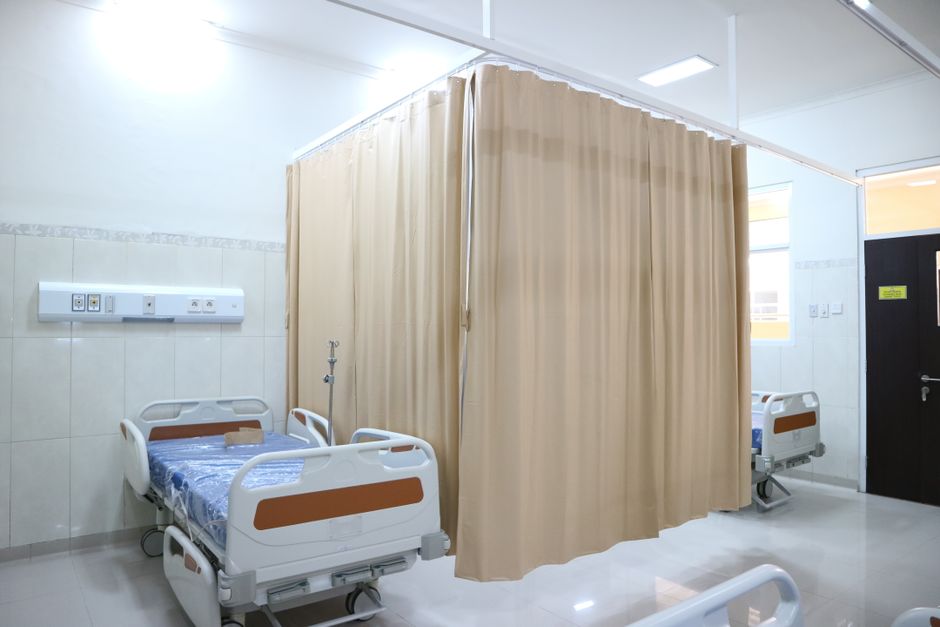
Adjust the frequency based on foot traffic, environmental conditions (like coastal salt or industrial pollution), and allergies of occupants. In hospitals or cleanrooms, more frequent cleaning is necessary for hygiene.
Common Issues and Troubleshooting
Even with the best care, problems occur. Here's how to handle them:
- Shrinkage: Often caused by hot water or high heat drying. Replace the curtain if severe, but for mild shrinkage, re-wet with warm water and gently stretch while wet.
- Fading: Sunlight damages dyes. Use UV-resistant liners or rotate curtains to slow the process. Once faded, recoloring is rarely effective.
- Odors: Smoke or food smells can linger. Spray with a fabric-safe odor neutralizer and ensure proper ventilation. For deep-set odors, professional ozone treatment may be needed.
- Mold or mildew: Usually from moisture. Clean with a diluted mold killer, but test an inconspicuous spot first. Dry thoroughly in sunlight or low heat.
- Stiffness or cracks: On blackout coatings, this indicates age or heat exposure. Re-coating is possible with professional products, but replacement may be cost-effective.
Always keep a small sample swatch of each fabric in a usage log; it helps test cleaning products safely.
Fire Safety and Compliance
Commercial curtains must meet local fire safety regulations. Over time, dust and dirt can make fabrics more flammable. Regular cleaning removes flammable particles. Ensure that any cleaning method preserves the fire-retardant properties of your curtains. If you wash with detergents that leave residues, they can mask or wash off flame retardants. Always use cleaning products that are certified safe for fire-resistant textiles. If in doubt, ask your supplier for the fabric's care code and the recommended cleaning agent.
Conclusion
Curtain care for commercial buildings is not a luxury; it is an essential part of facility maintenance. By understanding your fabrics, implementing a regular cleaning schedule, and knowing when to call in professionals, you can keep your curtains beautiful, functional, and compliant. Investing time and modest resources in care will extend the life of your curtains, save replacement costs, and maintain a healthy, positive environment for employees and clients alike. Start building your care routine today and enjoy the long-term benefits.