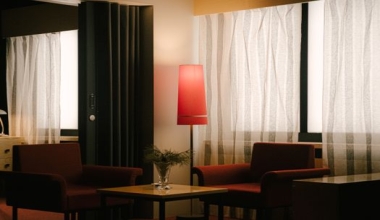
When designing a home theater, achieving the perfect audio experience is just as important as the visual quality. One of the most common debates in acoustic treatment is whether to install dedicated acoustic panels or opt for heavy acoustic curtains. Both can reduce echo, absorb sound, and improve clarity, but they serve different purposes and come with distinct trade-offs. This guide will help you decide which solution—or combination—works best for your home theater.
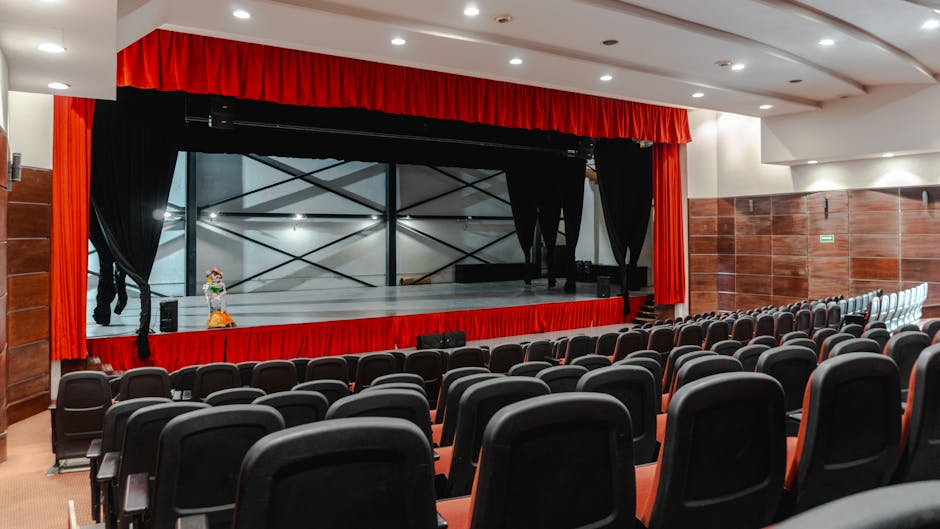
Understanding Acoustic Treatment in Home Theaters
Acoustic treatment aims to control sound reflections, absorb excess reverberation, and reduce noise transfer. In a home theater, untreated walls and windows cause sound waves to bounce around, creating muddy dialogue, indistinct effects, and an uneven frequency response. The two primary tools are porous absorbers (panels and curtains) that convert sound energy into heat.
Acoustic panels are rigid, engineered absorbers typically made from compressed mineral wool or foam, wrapped in fabric. Acoustic curtains are heavy, multi-layer drapes with sound-dampening properties. Both are measured by their Noise Reduction Coefficient (NRC)—the higher the NRC, the better the absorption.
___PROTECTED_1___
Acoustic Panels: Pros and Cons
Advantages
- Precision placement: Panels can be mounted at specific first-reflection points (side walls, ceiling, rear wall) to target problematic frequencies.
- Superior absorption: High-density panels achieve NRC ratings of 0.8–1.0, absorbing most mid and high frequencies effectively.
- Design flexibility: Available in various colors, shapes, and custom prints to blend with decor or create a professional look.
- Non-movable: Once installed, they stay in place, ensuring consistent acoustics.
Disadvantages
- Installation required: Panels need mounting hardware and may require wall drilling.
- Limited mobility: If you need to reconfigure the room, panels must be removed and remounted.
- Cost per square foot: High-quality panels can be expensive, especially for large surfaces.
- Aesthetic challenge: Some homeowners find visible panels intrusive.
___PROTECTED_2___
Acoustic Curtains: Pros and Cons
Advantages
- Easy installation: Hang them on a curtain rod—no tools needed.
- Multi-functional: They double as blackout curtains, blocking light and improving projector contrast.
- Flexibility: Open or close them to change the room’s acoustics and light control.
- Affordable coverage: Large expanses of fabric can be cheaper than covering the same area with panels.
Disadvantages
- Lower NRC: Most acoustic curtains have NRC 0.5–0.7, less effective than panels, especially for low frequencies.
- Space requirements: Curtains need to hang several inches from the wall and be pleated to achieve full absorption.
- Cleaning challenges: Dust accumulation can reduce performance over time.
- Limited frequency range: Curtains primarily absorb high and mid frequencies; they do little to control bass.
Head-to-Head Comparison
| Factor | Acoustic Panels | Acoustic Curtains |
|---|---|---|
| NRC Rating | 0.8–1.0 | 0.5–0.7 |
| Bass Absorption | Fair (thicker panels needed) | Poor |
| Installation Complexity | Moderate to high | Low |
| Mobility | Fixed | Adjustable |
| Light Blocking | None (unless designed) | Excellent |
| Cost per sq. ft. | $8–$20 | $5–$15 |
| Aesthetics | Modern/studio look | Luxurious, home-friendly |
Factors to Consider for Your Home Theater
Room Size and Shape
Small rooms (under 200 sq. ft.) often have more pronounced early reflections. Acoustic panels at first-reflection points provide the most benefit. Larger rooms can benefit from curtains to dampen overall reverberation without deadening the space.
Budget
If you have a limited budget, start with acoustic curtains on large window walls. They offer broad coverage at lower cost. Invest in panels for critical listening spots as your budget allows.
Aesthetic Preference
For a dedicated theater room with dim lighting, panels painted to match walls or covered in performance fabric can look professional. For a multipurpose room that also serves as a living area, curtains are more discreet and add a cozy feel.
Frequency Issues
If bass problems (boomy low end) plague your room, neither standard panels nor curtains will solve them. You’ll need bass traps (thick corner panels) in addition. For mid/high frequency flutter echo, both solutions work well.
Practical Tips for Combining Both
- Use curtains for large surfaces: Cover windows and entire walls with triple-pleat acoustic velvet curtains (e.g., our Blackout Velvet Drapes) to absorb broad reflections.
- Target first reflections with panels: Place 2×4 ft. panels at ear height on side walls where sound bounces from speakers to listener.
- Layering effect: Hang curtains 10–12 inches from the wall and mount panels behind them for double absorption.
- Ceiling clouds: For overhead reflections, use ceiling-mounted panels rather than heavy curtains, which sag.
- Test before buying: Use the handclap test—clap in the empty room and listen for flutter. Add treatments until the echo becomes a short, deadened sound.
Conclusion: Which Is Best for Your Home Theater?
There is no one-size-fits-all answer. For critical listening and cinema-grade acoustics, acoustic panels are superior. They provide precise, high-performance absorption where you need it most. However, if you value flexibility, light control, and a softer aesthetic—or if you’re on a tight budget—high-quality acoustic curtains can transform your home theater’s sound significantly.
The ideal solution for most home theaters is a hybrid approach: treat the ceiling and side walls with panels, then use layered Velvet Curtains on the window wall and rear wall. This combination tackles reflections across the frequency spectrum while keeping the room attractive and versatile.
Whether you choose panels, curtains, or both, investing in acoustic treatment will elevate your movie and music experience. Start with a room assessment, set your priorities, and enjoy cleaner, more immersive sound.