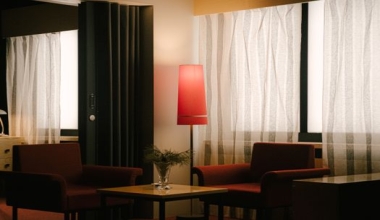
Understanding Light Control: More Than Just a Preference
When it comes to window treatments, the terms 'blackout' and 'room darkening' are often used interchangeably. However, they represent distinct levels of light blockage, fabric construction, and intended use. Whether you're outfitting a home theater, a nursery, or a bedroom, knowing the difference can save you money and ensure you get the performance you need. This guide will dissect both types, compare their light-reducing capabilities, and help you make an informed decision.
___PROTECTED_1___
What Are Blackout Curtains?
Blackout curtains are engineered to block nearly all external light. They typically feature multiple layers of tightly woven fabric, often with a special coating or an inner lining made of light-blocking materials like foam or black acrylic. The goal is to achieve 99% to 100% light blockage, turning a brightly lit room into near-total darkness even at midday.
Key Characteristics of Blackout Curtains
- Light blockage: Blocks 99–100% of incoming light.
- Fabric weight: Heavy, dense, and often lined.
- Energy efficiency: Provides superior insulation, reducing heat loss in winter and heat gain in summer.
- Noise reduction: The thick layers also dampen sound to some extent.
- UV protection: Blocks UV rays, preventing furniture fading.
- Ideal for: Bedrooms, nurseries, home theaters, hotel rooms, shift workers.
Because of their construction, blackout curtains are less likely to let light seep through the fabric itself. However, light can still enter from the sides, top, or bottom if not installed properly with a track or wraparound rod.
___PROTECTED_2___
What Are Room Darkening Curtains?
Room darkening curtains are designed to significantly reduce light but not eliminate it completely. They typically have a thicker weave than standard curtains but lack a dedicated blackout lining. They may block 70% to 95% of light, depending on the fabric and color. Darker colors naturally absorb more light than lighter ones.
Key Characteristics of Room Darkening Curtains
- Light blockage: Blocks 70–95% of incoming light (varies by color and weave).
- Fabric weight: Medium to heavy, but not as dense as blackout.
- Energy efficiency: Some insulating benefits but less than blackout.
- Noise reduction: Minimal to moderate.
- UV protection: Partial, depending on fabric.
- Ideal for: Living rooms, dining areas, spaces where you want privacy and soft darkness without a cave-like feel.
Room darkening curtains are often more breathable and come in a wider variety of materials, including velvet, linen, or polyester blends. They are a good choice if you want to soften harsh sunlight without making the room completely dark.
Key Differences: Blackout vs Room Darkening
| Aspect | Blackout Curtains | Room Darkening Curtains |
|---|---|---|
| Light Blockage | 99–100% | 70–95% |
| Fabric Weight | Very heavy, multi-layer | Medium to heavy, single or double layer |
| Lining | Usually has a special light-blocking liner (foam, acrylic, etc.) | May have a standard liner or none |
| Cost | Higher due to materials and construction | More affordable |
| Insulation | Excellent thermal and sound insulation | Moderate insulation |
| UV Protection | Near 100% | Partial (higher for darker fabrics) |
| Airflow | Limited – can feel stuffy if closed all day | Better airflow |
| Best Use Case | Sleep environments, media rooms, glare-free spaces | Living areas, privacy, soft ambiance |
How to Choose Between Blackout and Room Darkening
Your decision should hinge on three main factors: the room's purpose, your sensitivity to light, and your budget.
1. Bedrooms & Sleep Quality
If you are a light sleeper or work night shifts, blackout curtains are essential. They help regulate your circadian rhythm by creating absolute darkness. Room darkening may suffice if you fall asleep easily and have curtains that are well-fitted to minimize edge light.
2. Home Theaters & Media Rooms
For an immersive movie experience, blackout is non-negotiable. Even a sliver of light can wash out a projector screen. Room darkening curtains will not give you the same level of contrast.
3. Living Rooms & Common Areas
Room darkening curtains are usually the better fit here. They reduce glare on TVs without making the space feel like a dungeon. You can still enjoy natural light during the day while having privacy at night.
4. Nurseries & Children’s Rooms
Many parents prefer blackout curtains for nap times, as complete darkness encourages deeper sleep. However, ensure the fabric is safe and non-toxic. Room darkening can work if the room already has blackout blinds underneath.
Practical Tips for Maximum Light Control
Even the best curtains can fail if not installed correctly. Follow these tips to optimize performance:
- Measure accurately: The curtain width should be at least 1.5 to 2 times the window width to allow for pleating and overlap.
- Extend beyond the frame: Mount the rod 4–6 inches above the window frame and extend it 6–8 inches on each side to prevent light from leaking around the edges.
- Use a back tab or grommet style: These styles reduce light gaps at the top compared to rod pocket curtains.
- Pair with blinds: Combining blackout curtains with cellular shades or roller blinds creates a near-perfect seal.
- Consider a valance or pelmet: A fabric box at the top hides the rod and prevents light from filtering over the top.
- For complete darkness: Use blackout curtain tracks that fit flush to the wall, or install magnetic side seals similar to those used in hotel rooms.
Industry Application Cases
Different sectors leverage blackout and room darkening curtains based on their specific needs.
Hospitality
Hotels often use blackout curtains in guest rooms to ensure a restful sleep for travelers in different time zones. They also use room darkening in lobbies and dining areas to create a cozy atmosphere while maintaining daylight.
Healthcare
Hospitals and clinics use blackout curtains in patient rooms for rest, and in imaging suites to control light during procedures. Room darkening is used in waiting areas for comfort.
Education
Schools install room darkening curtains in classrooms to reduce glare on smart boards and projectors, while blackout curtains are reserved for nap rooms or special needs spaces.
Commercial Offices
Modern offices use a mix: blackout for presentation rooms and break rooms, room darkening for open-plan areas to manage glare without making the space feel closed in.
Caring for Blackout and Room Darkening Curtains
Proper care extends curtain life and maintains light-blocking performance.
- Check the label: Many blackout curtains are dry-clean only due to special linings. Room darkening may be machine washable on gentle cycle.
- Spot clean when possible: Use a mild detergent and a damp cloth for small stains.
- Avoid bleach: Bleach can degrade coatings and fade fabrics.
- Vacuum occasionally: Use a brush attachment to remove dust without damaging the lining.
- Steam vs iron: Steaming is safer for lined curtains; ironing may melt or flatten the backing.
Conclusion: Is There Really a Difference?
Yes – blackout and room darkening curtains are not the same. Blackout curtains provide near-complete darkness and superior insulation, making them the top choice for sleep, media, and privacy-critical environments. Room darkening curtains offer a softer light reduction at a lower cost, ideal for living spaces where you want to control glare without losing all natural light. By understanding the distinction and how to install them properly, you can choose the right window treatment for every room in your home or business. Always check the light-blocking percentage on the product label and consider your specific needs before making a purchase.