Sheer curtains add an elegant, airy feel to any room, but their delicate fabric is prone to small tears and holes from everyday use, pets, or accidents. Fortunately, repairing these minor damages is easier than you might think. This comprehensive guide will walk you through various methods to fix small tears and holes in sheer curtains, ensuring they look as good as new.
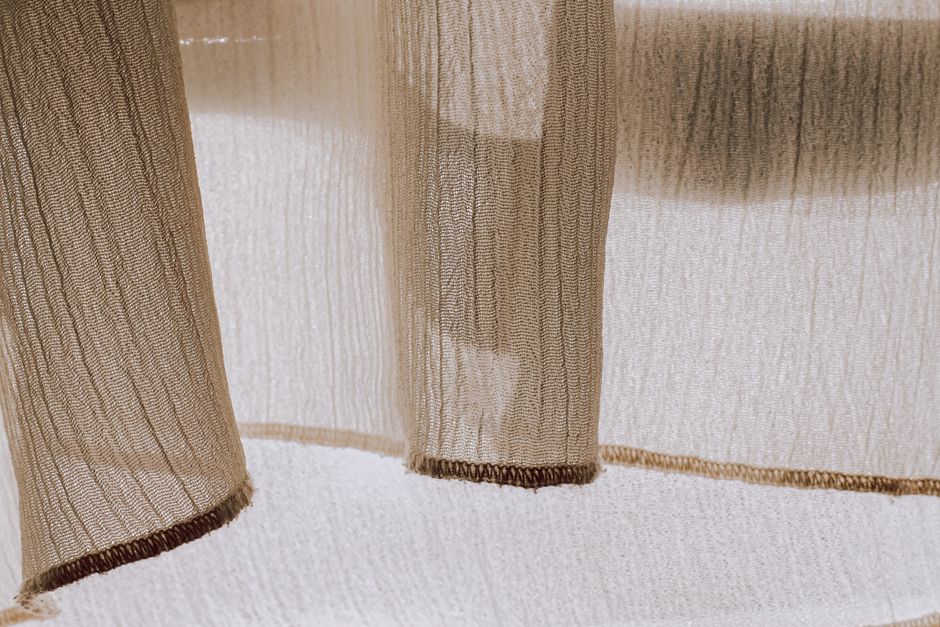
Understanding Sheer Fabric and Common Damage
Sheer fabrics are lightweight, translucent textiles typically made from polyester, nylon, silk, or cotton blends. Their open weave and fine threads make them susceptible to snags, pulls, and holes. Common causes include:
- Pets catching claws on the fabric
- Sharp jewelry or rough handling during installation
- Repeated washing and drying, which weakens fibers
- Sun exposure causing degradation over time
- Accidental cuts from scissors or furniture
Identifying the extent of the damage is the first step. Small tears (under 1 inch) and pinpoint holes can often be repaired invisibly at home.
___PROTECTED_1___
Tools and Materials You'll Need
Before starting, gather the following supplies. A table format helps you choose the right tools:
| Tool/Material | Purpose | Tips |
|---|---|---|
| Matching thread (polyester or silk) | Invisible stitching for tears | Choose a thread color darker than the curtain for better blending |
| Sharp needle (fine, hand-sewing) | Precise work on delicate fabric | A beading needle works well for tiny stitches |
| Fabric glue (clear-drying) | Quick repair for small holes | Test on an inconspicuous area first |
| Small piece of matching sheer fabric | Patching larger holes | Cut from a hem or scrap from the same curtain |
| Embroidery hoop or small hoop | Keeps fabric taut during repair | Essential for even stitching |
| Sharp scissors | Trimming loose threads | Use dedicated fabric scissors to avoid fraying |
| Seam ripper (optional) | Remove damaged threads | Go slowly to avoid tearing more |
___PROTECTED_2___
Step-by-Step Repair Methods
Method 1 – Hand Stitching for Small Tears
Hand stitching is the most invisible repair for small tears (up to ½ inch). Follow these steps:
- Prepare the tear: Gently pull the edges together. If there are loose threads, carefully trim them with scissors.
- Choose thread: Select a thread that matches the curtain color exactly. For lighter colors, a slightly darker shade often blends better.
- Thread the needle: Use a single strand of thread about 18 inches long. Tie a small knot at the end.
- Start sewing: Insert the needle from the wrong side of the fabric, about ¼ inch from the tear edge. Use a ladder stitch (also called slip stitch): take tiny stitches alternating from side to side, catching only a few threads each time. Keep stitches even and small (about 1/16 inch apart).
- Tighten gently: As you sew, pull the thread slightly to close the gap. Don't pull too tight or the fabric will pucker.
- Finish: When the tear is fully closed, make a small knot on the wrong side. Trim the thread close to the fabric.
This method is nearly invisible if done carefully. Practice on a scrap piece first if you're new to ladder stitching.
Method 2 – Fabric Glue for Tiny Holes
For tiny holes (pinprick size) without a tear line, fabric glue offers a quick, no-sew solution.
- Choose glue: Use a clear-drying fabric glue specifically designed for delicate fabrics. Avoid regular craft glue as it may stiffen or discolor.
- Apply glue sparingly: Place a small drop of glue on the tip of a toothpick or pin. Gently dab it into the hole, just enough to cover the edges of the hole.
- Press and dry: Gently press the edges together with your fingers (use a damp cloth to prevent sticking). Allow to dry for at least 30 minutes or as per glue instructions.
- Check flexibility: Once dry, the glue should be soft and clear. If it feels stiff, you may have used too much.
Note: Glue repairs are less durable than stitching but work well for areas that aren't stressed.
Method 3 – Patching for Larger Holes
For holes larger than ½ inch, a patch is the best option. Use a patch from a hidden area (like the bottom hem) or a scrap of similar fabric.
- Cut the patch: Cut a piece of sheer fabric slightly larger than the hole (at least ½ inch overlap on all sides). Match the pattern and weave as closely as possible.
- Position the patch: Place the patch behind the hole, aligning the weave direction. Pin in place if needed.
- Stitch around the edge: Using a fine needle and matching thread, sew a whip stitch or small running stitch around the perimeter of the patch, catching both the patch and the curtain fabric. Keep stitches close to the edge of the hole.
- Trim excess patch: Once stitched, carefully trim the patch's excess fabric close to the stitch line.
- Finish with a small zigzag (optional): If you have a sewing machine, a tiny zigzag stitch over the edge can secure it further. For hand stitches, a second pass of small stitches works.
Pro Tips for Invisible Repairs
- Use an embroidery hoop: Stretching the damaged area in a hoop prevents the sheer fabric from shifting and makes stitching easier.
- Trim all loose threads before starting to prevent them from tangling in your stitches.
- Test glue or thread on an inconspicuous spot (e.g., the back of a lower corner) to ensure it doesn't discolor or damage the fabric.
- Match thread weight: Use a fine thread (e.g., 100% polyester or silk thread) that mimics the look of sheer fabric. Heavy thread will stand out.
- Iron gently after repair: Place a press cloth over the repaired area and use a low heat iron to flatten any puckering. Avoid direct contact with the sweet fabric.
When to Consider Professional Repair or Replacement
While small repairs are DIY-friendly, some situations call for professional help:
- Multiple large holes that would require extensive patching.
- Fabric is heavily faded or weakened – repair may not hold and replacement is more cost-effective.
- Damage along the hem or leading edge – often indicates structural issues.
- No matching fabric available for patching from hidden areas.
- If the curtain is a high-end silk or antique, a professional cleaner specializing in textile repair can ensure longevity.
Preventing Future Damage
Extend the life of your sheer curtains with these care tips:
- Gentle washing: Hand wash in cold water with mild detergent, or use a delicate machine cycle with a mesh bag. Avoid wringing – press out water gently.
- Keep away from pets: Trim cat claws and prevent dogs from jumping at curtains.
- Use curtain liners: A heavier liner protects the sheer layer from sun damage and rough handling.
- Rotate curtains: If possible, swap panels to distribute wear evenly.
- Trim loose threads immediately when you see them to prevent runs.
By catching small tears early and using these repair techniques, you can avoid the cost and hassle of replacing your sheer curtains. With a little patience and the right tools, your curtains will continue to beautify your space for years.