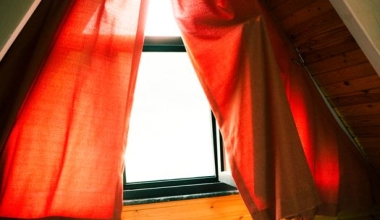
Blackout curtains are a popular choice for bedrooms, home theaters, and nurseries because they block out light, reduce noise, and improve energy efficiency. However, even the best blackout curtains can fade over time when exposed to direct sunlight. The sun's ultraviolet (UV) rays and heat cause fabric colors to dull and the material to break down. This guide provides practical, expert-backed tips to keep your blackout curtains looking new for years.
Understanding Why Blackout Curtains Fade
Fading occurs primarily due to UV radiation from the sun. UV light breaks down the chemical bonds in dyes and fibers, leading to color loss and fabric weakening. Although blackout curtains have a light-blocking layer, the side facing the window still receives sunlight. Additionally, heat buildup can accelerate chemical reactions. The severity of fading depends on factors like fabric type, lining quality, and local sun intensity.
___PROTECTED_1___
Choosing Fabrics and Linings with High UV Resistance
Not all blackout curtains are created equal. For maximum sun protection, consider the following materials:
- Polyester with triple-weave construction: The tight weave blocks UV light inherently. Triple-weave curtains have three interwoven layers, making them more durable and less prone to fading.
- Acrylic or modacrylic fibers: These synthetic fibers have excellent UV resistance and are often used in outdoor fabrics. They hold dye well and resist color change.
- Coated blackout linings: Many blackout curtains have a foam or acrylic coating on the back. Opt for curtains with a white or reflective backing—light colors reflect UV rays rather than absorbing them.
- Thermal blackout curtains: These often have an additional insulating layer that can include UV blockers. Check product labels for UV protection ratings.
If you already have blackout curtains that fade easily, consider adding a separate UV-blocking liner behind them. These liners are available as curtain linings or as roll-up shades.
___PROTECTED_2___
Strategic Installation to Reduce Sun Exposure
How you hang your curtains affects how much sunlight hits the fabric. Follow these installation tips:
Mount Curtains Close to the Window Frame
Mount the curtain rod as close to the window frame as possible—ideally inside the frame for a snug fit. This minimizes gaps that allow light to hit the sides of the curtains. For windows that receive direct sun, use brackets that extend the rod just a few inches from the wall so the curtain hangs flush with the window.
Use Valances or Cornices
A valance (short fabric top treatment) or a solid cornice board can shade the top of your blackout curtains, which often receives the most direct sunlight. This simple addition can significantly reduce fading on the upper portion of the fabric.
Layer Curtains with Sheer Panels
Hang a sheer curtain between the window and the blackout curtain. The sheer acts as a first line of defense, absorbing and diffusing UV rays before they reach your heavy curtains. This approach also allows some natural light in while protecting the blackout material.
Consider Outside-Mounted Roller Shades
For extreme sun exposure, install a solar roller shade on the outside of the window (exterior mount). These shades block up to 90% of UV rays before they even touch the glass, drastically reducing fading of indoor curtains.
Applying UV-Blocking Window Films
Window films are a cost-effective way to reduce UV radiation entering the room. They are applied directly to the glass and can block up to 99% of UV rays without affecting visibility significantly. Clear UV films are nearly invisible but provide substantial protection. For even better results, use reflective films that also reduce heat gain. Note: Some films may affect window warranties, so check with your window manufacturer first.
Regular Maintenance to Preserve Fabric Health
Dirt and dust can trap moisture and heat, accelerating fading. Regular cleaning helps maintain fabric integrity.
- Dust weekly: Use a soft brush attachment on a vacuum cleaner or a microfiber cloth to gently remove dust from both sides of the curtain.
- Clean according to the care label: Most blackout curtains can be machine washed on a gentle cycle with cold water and mild detergent. Avoid bleach and harsh chemicals. If in doubt, dry clean.
- Dry properly: Air dry or tumble dry on low. High heat can damage the blackout coating and cause fading. Remove curtains while slightly damp to reduce wrinkles.
- Use a fabric protector spray: Some sprays add a UV-absorbing layer. Look for sprays specifically designed for curtains or outdoor fabrics. Reapply annually after cleaning.
Rotating and Repositioning Curtains Periodically
Even with careful placement, the side of the curtain facing the window will fade more than the room side. To even out wear, rotate your curtains every three to six months. Swap the left and right panels, and also flip them so the side that faced the window now faces the room. If you have multiple sets, alternate them between windows with different sun exposures. This simple habit can extend the life of your curtains by years.
Additional Sun Protection Strategies
Beyond curtain care, consider these broader measures:
- Install exterior awnings or overhangs: Shading the window from outside keeps the whole setup cooler and reduces UV penetration.
- Use UV-protective glass: If you're building or renovating, opt for windows with built-in UV coatings. They can block up to 98% of UV rays.
- Plant trees or shrubs: Deciduous trees planted on the south and west sides of a building provide natural shade during summer while allowing winter sun.
- Choose UV-resistant curtain hardware: Some curtain rods and rings are made of materials like aluminum or powder-coated steel that won't degrade or reflect heat onto the fabric.
Conclusion
Preventing fading on blackout curtains involves a combination of smart purchasing, careful installation, and consistent maintenance. By selecting UV-resistant fabrics, mounting curtains correctly, using window films, and performing regular care, you can keep your blackout curtains looking vibrant for years. Start with one or two of these tips and build up your sun protection strategy. Your investment in blackout curtains will last longer, saving you money and maintaining the aesthetic of your home.